





What's Happening?
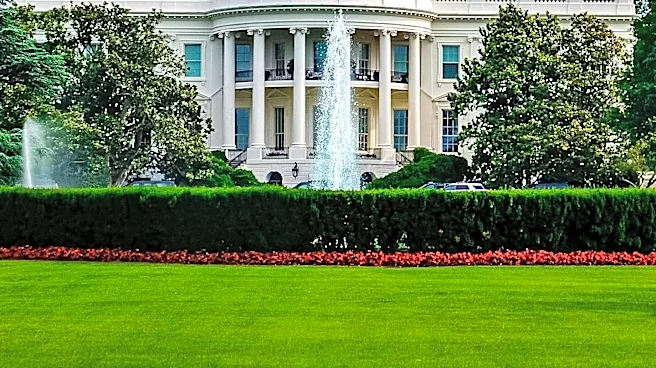
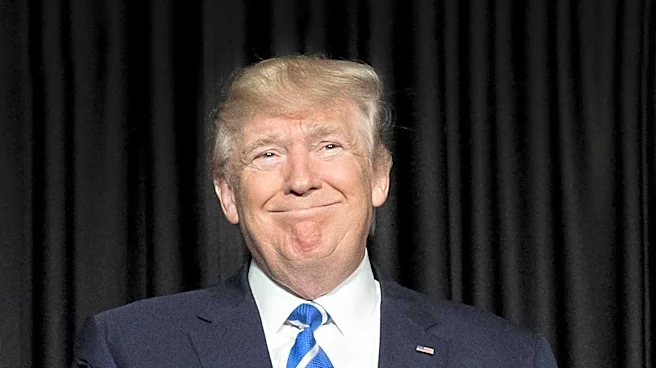
President Trump honored 16-year-old lifeguard Ryder Williams at the White House on Monday, August 17, for his heroic actions in saving a young swimmer. Williams, from Santa Cruz, California, rescued 10-year-old Nathaniel Rai from dangerous surf at Seabright
State Beach on July 25. The dramatic rescue, which was captured on video, quickly gained widespread attention. During an Oval Office meeting, President Trump praised Williams, stating, "What you did was incredible and everybody saw it," and noted that Williams' actions serve as an inspiration for young Americans. The event was attended by Williams, Nathaniel Rai, and their families. The rescue occurred in challenging conditions with waves up to 10 feet tall, where Williams managed to keep Rai afloat until another lifeguard arrived to assist. Nathaniel's father, Sumit Rai, expressed profound gratitude, calling his son's survival "a miracle." This rescue was one of approximately 25 performed by Santa Cruz lifeguards that day due to massive swells along the California coast.
Why It's Important?
This event highlights the importance of public service and bravery, particularly among young individuals. President Trump's recognition of Ryder Williams at the White House elevates the story to a national platform, emphasizing values of courage and community service. Such recognition can inspire other young Americans to engage in similar acts of heroism or to pursue careers in public safety. The viral nature of the rescue video and the subsequent White House honor underscore the power of media in bringing attention to significant human interest stories. It also serves as a reminder of the critical role lifeguards play in ensuring public safety at beaches, especially in areas prone to dangerous conditions. The collective effort of the Santa Cruz lifeguards, as noted by Williams, also emphasizes the importance of teamwork in emergency response, showcasing how coordinated efforts can lead to successful outcomes in life-threatening situations.
What's Next?
Following this recognition, Ryder Williams is likely to continue his lifeguard duties, potentially with increased public awareness and appreciation for his role. The story may also lead to broader discussions about water safety, lifeguard training, and the importance of community preparedness for emergencies, particularly in coastal areas. The White House's public acknowledgment could encourage other communities and organizations to recognize local heroes, fostering a culture of appreciation for those who perform selfless acts. For Nathaniel Rai and his family, the event marks a significant moment of gratitude and reflection on the life-saving intervention. The incident could also prompt local authorities to review and enhance safety measures at beaches, especially given the challenging conditions that led to numerous rescues on that particular day. The narrative of a young hero being honored by the highest office in the country will likely resonate as an example of American values.
Beyond the Headlines
Beyond the immediate recognition, this event touches upon deeper societal themes. It underscores the inherent human capacity for courage and selflessness, particularly when faced with immediate danger. The story of Ryder Williams serves as a powerful counter-narrative to often-negative news cycles, reminding the public of the positive impact individuals can have on each other's lives. The emphasis on teamwork by Williams himself, despite being the one singled out for honor, highlights a crucial aspect of effective emergency response and community resilience. Furthermore, the incident brings attention to the often-underestimated dangers of natural environments, such as ocean swells, and the vital role of trained professionals in mitigating these risks. The President's decision to honor a young, everyday hero also reflects a strategic communication effort to connect with the public through relatable and inspiring stories, reinforcing a sense of national unity and shared values.