




What's Happening?
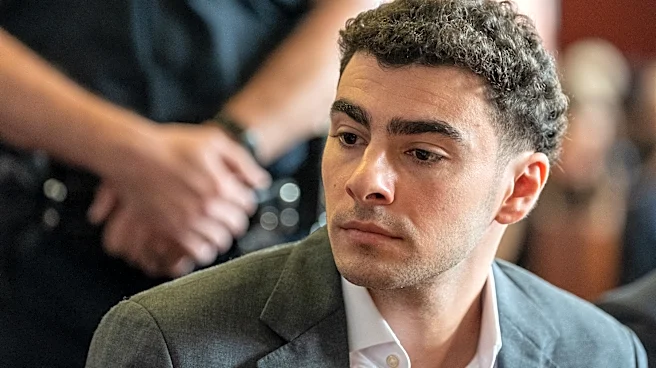
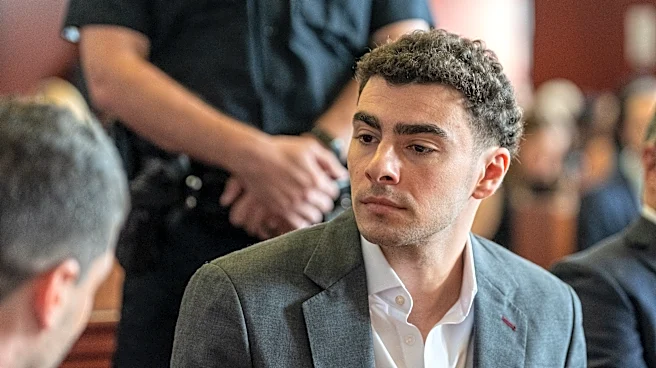
A New York City police officer, Omar Habib, has been convicted of using a banned chokehold, felony strangulation, and misdemeanor assault. This marks the first conviction under a local law prohibiting chokeholds and certain other restraint methods, enacted
after the death of George Floyd. Habib, who joined the NYPD in 2007, faces up to seven years in prison and has been dismissed from the police department. The conviction stems from an incident in 2023 where Habib responded to a 911 call at a Bronx catering hall. During an arrest of a drunk and disorderly man, Habib placed the individual in a chokehold that impeded breathing and circulation, causing him to pass out, according to Bronx District Attorney Darcel Clark. Habib's attorney argued that other factors, such as alcohol consumption without sufficient food, could have caused the man to lose consciousness. Habib had a history of substantiated misconduct complaints, including excessive force and abusing authority, and was previously cited for using a chokehold in 2017.
Why It's Important?
This conviction is a landmark decision, being the first under New York City's 2020 law banning chokeholds and similar restraints, which was passed in response to widespread protests following George Floyd's death. It signals a significant shift in accountability for police officers regarding the use of force, particularly concerning methods that can lead to serious injury or death. The verdict sends a clear message that officers who violate these prohibitions will face criminal prosecution, contrasting with past instances where officers using banned chokeholds, such as in the Eric Garner case, faced job loss but no criminal charges. This outcome is crucial for public trust in law enforcement and for communities advocating for police reform. It also highlights the ongoing tension between police unions, who argue that such laws put officers at risk of criminal prosecution, and civil rights advocates pushing for greater police accountability and reduced use of excessive force. The case could influence police training, policy, and legal interpretations of acceptable force nationwide.
What's Next?
Omar Habib is facing up to seven years in prison, and his sentencing will be a critical next step. The conviction and dismissal from the NYPD will likely be closely watched by police departments and civil rights organizations across the country. This case could serve as a precedent, encouraging other jurisdictions to strengthen laws against excessive force and hold officers criminally accountable. Police unions are expected to continue challenging such laws, arguing they hinder officers' ability to perform their duties effectively. Conversely, civil rights groups will likely use this conviction to push for further reforms and increased oversight of police conduct. The outcome may also lead to renewed discussions about the balance between officer safety and public protection, and the need for comprehensive training on de-escalation techniques and alternative restraint methods. The legal and social implications of this verdict will continue to unfold as the justice system processes similar cases and communities grapple with police reform.
Beyond the Headlines
The conviction of Officer Omar Habib extends beyond a single legal outcome; it represents a critical juncture in the national conversation about police accountability and the reform of law enforcement practices. The fact that this is the first conviction under a law enacted post-George Floyd's death underscores the slow but significant shift in how society and the legal system are addressing police misconduct. It highlights the ethical imperative for law enforcement to adapt to evolving standards of force and restraint, moving away from practices that have historically led to disproportionate harm. The case also brings to light the internal challenges within police departments, particularly regarding officers with a history of misconduct. Habib's previous citations for chokeholds and other abuses raise questions about the effectiveness of internal disciplinary systems and the need for more robust mechanisms to identify and address problematic behavior before it escalates to criminal acts. This verdict could catalyze a deeper examination of police culture, training, and the systemic issues that contribute to the use of excessive force.