






What's Happening?
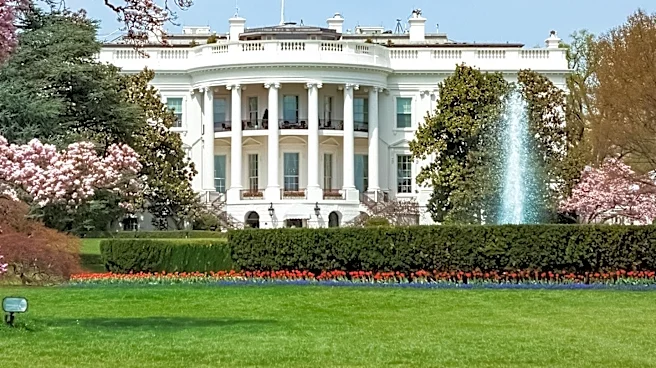
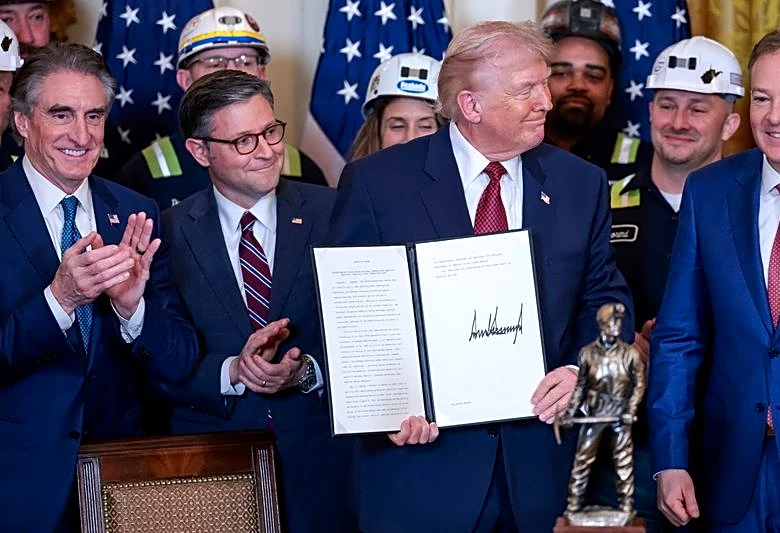
The White House explored the possibility of declaring a national emergency to address alleged vulnerabilities in voting systems, bypassing the bipartisan Election Assistance Commission (EAC). This consideration came before President Trump dismissed the EAC's
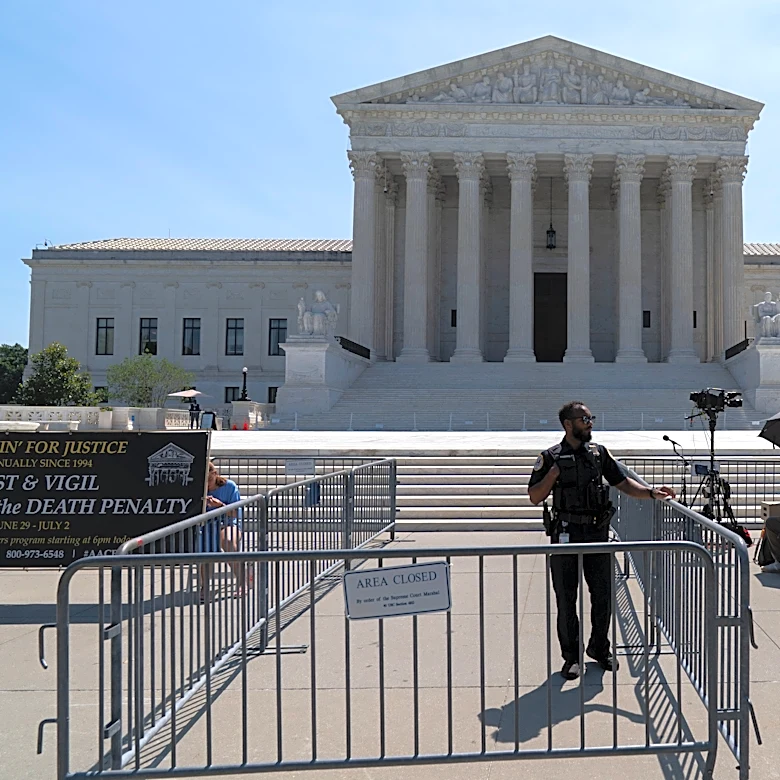
Democratic members, leaving the agency without a quorum. The administration's dissatisfaction with the EAC stemmed from delays in updating voting machine guidelines and the refusal to implement a proof-of-citizenship requirement on voter registration forms. Despite these actions, experts believe the changes are unlikely to affect the upcoming midterm elections. The Supreme Court recently ruled that the president can dismiss members of independent agency boards without cause, which may have influenced these decisions.
Why It's Important?
The potential use of emergency powers to alter voting systems raises significant concerns about the balance of power and the integrity of U.S. elections. The EAC plays a crucial role in maintaining election security and standards, and its incapacitation could lead to increased federal influence over state-controlled election processes. This move has been criticized by Democrats as an attempt to consolidate control over elections, potentially undermining public trust in electoral outcomes. The situation highlights ongoing tensions between federal and state authorities regarding election oversight and the broader implications for democratic governance.
What's Next?
With the EAC unable to function effectively, there may be increased scrutiny and debate over the federal government's role in election administration. Stakeholders, including state election officials and civil rights groups, are likely to challenge any perceived overreach by the federal government. The upcoming midterm elections will serve as a critical test of the current electoral framework's resilience and the public's confidence in the electoral process. Legislative and judicial responses to these developments could shape the future of election administration in the United States.