







What's Happening?
A Legionnaires’ disease outbreak on New York City's Upper East Side has infected nearly 20 people, with some hospitalized in critical condition. The New York City Department of Health reported 18 confirmed cases, a significant increase from earlier reports.
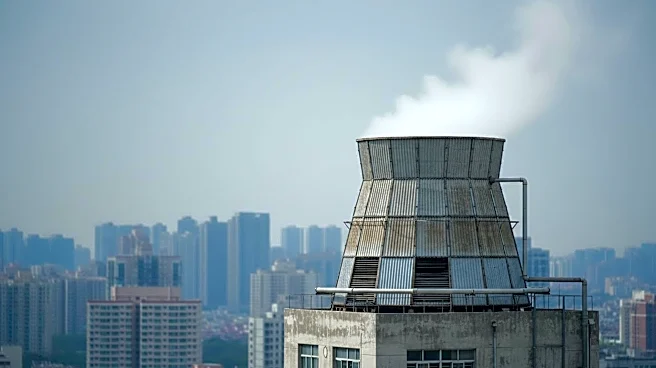
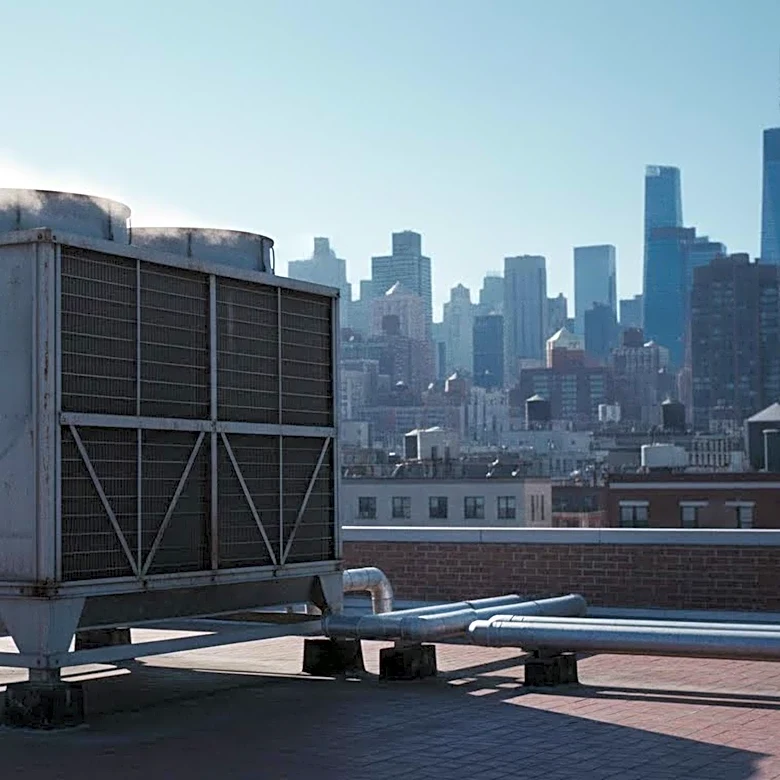
The outbreak is believed to be linked to a cooling tower in the area, with ongoing testing to identify and stop the bacteria's growth. The disease, spread through contaminated water vapor, is not contagious and can be treated with antibiotics. However, it poses a higher risk to individuals over 50, smokers, and those with weakened immune systems.
Why It's Important?
This outbreak underscores the importance of stringent public health regulations and monitoring systems for cooling towers, which can harbor Legionella bacteria. The health risks associated with Legionnaires’ disease, particularly for vulnerable populations, highlight the need for rapid response and effective treatment protocols. The outbreak also raises concerns about infrastructure maintenance and public safety in densely populated urban areas. The economic implications include potential costs related to healthcare and regulatory compliance for building owners.
What's Next?
City officials are continuing to test and monitor cooling towers to prevent further spread. Public health advisories have been issued, urging residents in affected areas to seek medical attention if they experience symptoms. The city may implement stricter regulations and inspections for cooling towers to prevent future outbreaks. Community engagement and public awareness campaigns are likely to be intensified to educate residents about the risks and prevention measures.