







What's Happening?
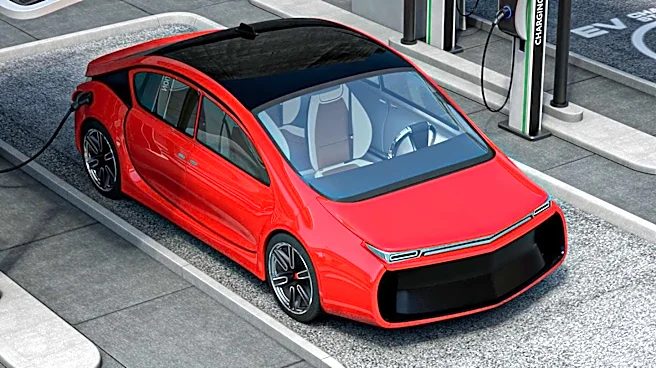
Gas stations across Africa are undergoing a significant transformation, shifting from traditional fuel dispensers to electric vehicle (EV) charging and battery swapping stations. This change is primarily driven by the economic dominance of commercial
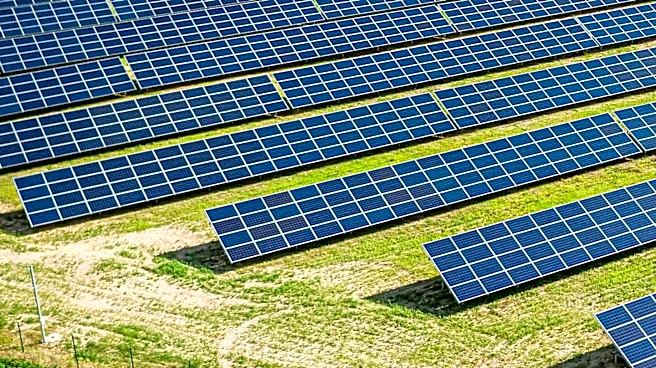
two- and three-wheelers and the need to circumvent weak or overburdened centralized electrical grids. Instead of replicating Western grid-tied fast chargers, African service stations are adopting localized renewable power solutions. This 'leapfrog transition' mirrors how mobile telecommunications bypassed copper landlines decades ago, with distributed solar charging and automated battery swapping allowing service stations to bypass conventional utility constraints. Fuel distributors like Vivo Energy (Shell-branded fuels) and TotalEnergies are partnering with clean mobility companies such as Ampersand, Roam, and Spiro to facilitate this shift. Motorcycle drivers can now exchange depleted battery packs for fully charged ones in under two minutes, paying digitally via mobile money platforms. This model is rapidly gaining traction, with electric two-wheelers projected to constitute over 80% of all EV sales in key Sub-Saharan markets through 2040, according to a McKinsey and Company analysis for the Shell Foundation.
Why It's Important?
This transformation in Africa's energy retail sector holds significant implications for global energy transition strategies and developing economies. It demonstrates a viable alternative to the conventional, grid-dependent EV charging infrastructure, particularly relevant for regions with unreliable or underdeveloped electrical grids. The focus on commercial fleets, especially motorcycle taxis and auto-rickshaws, highlights a demand-driven approach that caters to the immediate economic needs of a large segment of the population. This model reduces upfront vehicle purchase expenses for drivers and insulates charging networks from volatile electricity grids, offering a resilient and decentralized energy delivery system. The success of off-grid solar and stationary battery storage in achieving cost parity with internal combustion engines well before 2040, as indicated by research from ETH Zurich and the Paul Scherrer Institute, challenges previous assumptions about the necessity of massive grid modernization for transport electrification in Africa. This could serve as a blueprint for other developing nations facing similar infrastructure challenges, accelerating global e-mobility adoption.
What's Next?
The African charging infrastructure market is poised for rapid expansion, projected to grow eightfold from $31.93 million in 2022 to $256.53 million by 2030, according to the United Nations Economic Commission for Africa. This growth will likely see continued investment in off-grid solar generation and stationary battery storage solutions. Countries like South Africa, with its Zero Carbon Charge initiative, are already building nationwide highway networks of off-grid ultra-fast charging plazas, demonstrating a commitment to this decentralized model. In Kenya, conventional fuel retailers like Rubis Energy are partnering with electric bus manufacturers such as BasiGo to install direct-current fast-charging equipment across their networks. The primary bottleneck remains the scale of infrastructure deployment and access to financing. Reducing financing costs will be crucial for accelerating this transition. The ongoing evolution will likely involve further diversification of revenue streams for fuel retailers, moving beyond petroleum sales to include lease fees from automated battery lockers and sales of consumer goods to fleet drivers during battery exchanges.
Beyond the Headlines
The shift in African gas stations represents a profound rethinking of energy delivery and urban mobility, with potential long-term societal and environmental impacts. Ethically, this decentralized approach empowers local communities and businesses by providing reliable energy access and economic opportunities, particularly for commercial drivers who rely on efficient and affordable transport. Environmentally, the widespread adoption of off-grid solar and battery swapping significantly reduces carbon emissions and reliance on fossil fuels, contributing to climate change mitigation efforts. Culturally, it could foster innovation in sustainable energy solutions tailored to local contexts, moving away from a 'one-size-fits-all' Western model. This development also highlights the potential for technological leapfrogging in developing nations, where new technologies can bypass older, less efficient infrastructure directly. The success of this model could inspire similar innovations in other sectors and regions, demonstrating that sustainable development can be achieved through localized, resilient, and economically viable solutions.