






What's Happening?
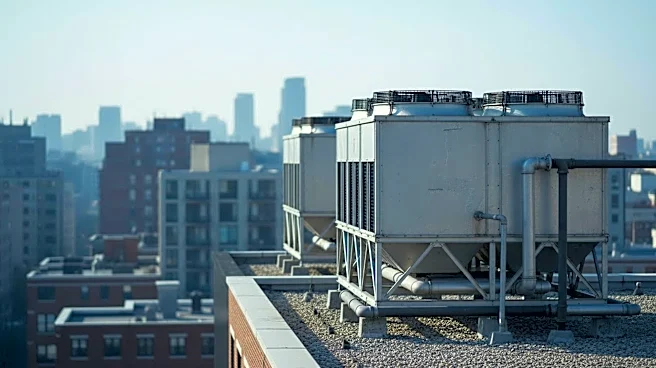
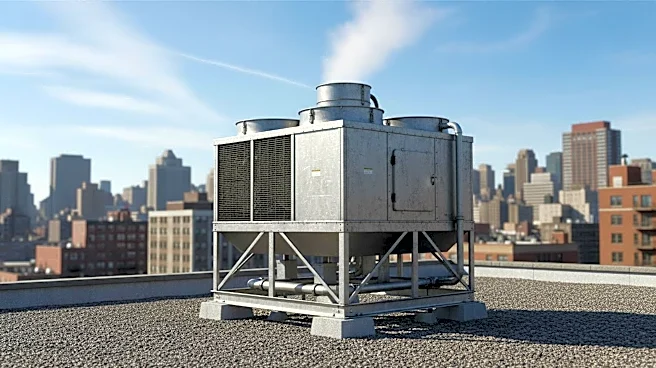
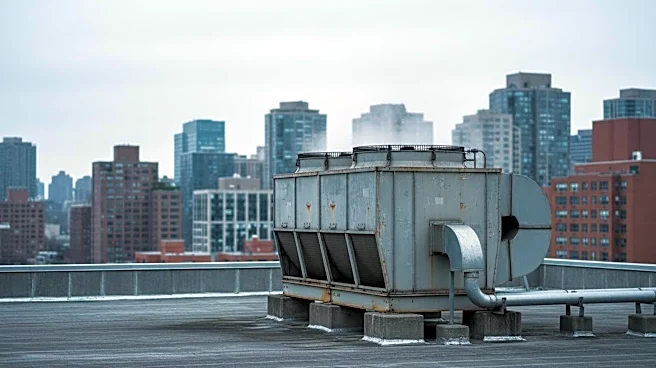
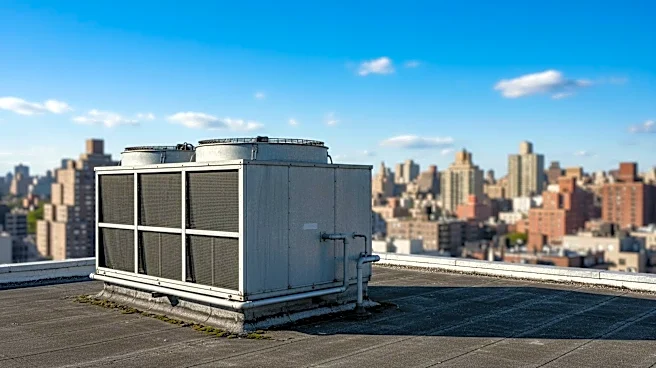
New York City is taking decisive action to address a Legionnaires' disease outbreak on the Upper East Side by publicly identifying buildings with cooling towers that test positive for Legionella bacteria. This move comes after 28 people were infected,
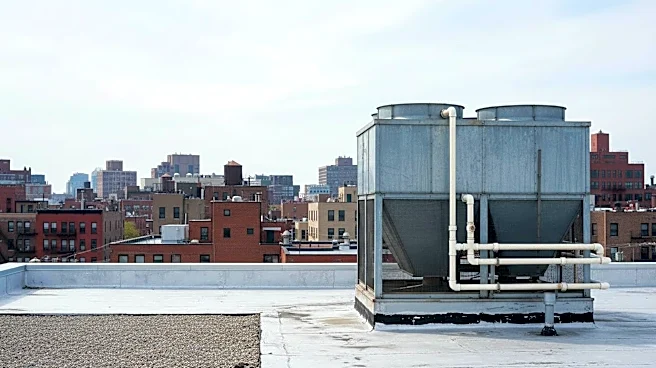
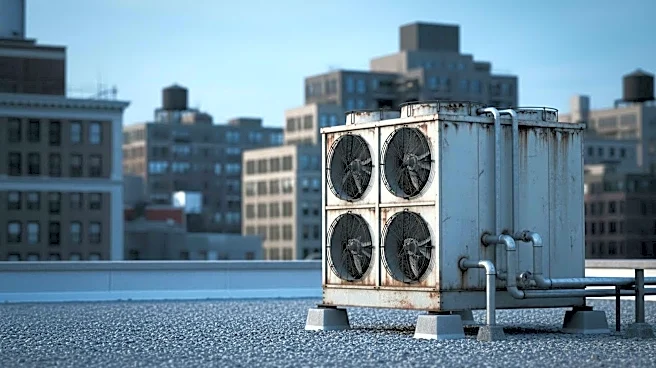
with 21 hospitalized since the outbreak was first detected on July 2. Mayor Zohran Kwame Mamdani announced that buildings with positive tests must immediately drain, clean, and disinfect their cooling towers to prevent further exposure. The city's health department has mobilized over 100 workers to inspect cooling towers in the affected areas of Carnegie Hill and Yorkville. This approach marks a shift from previous protocols, which required only increased chemical disinfectant levels pending confirmatory culture testing. The city aims to accelerate remediation efforts to reduce the risk of ongoing exposure.
Why It's Important?
The public identification of buildings with Legionella bacteria is a significant step in enhancing transparency and public safety. This approach not only aims to curb the current outbreak but also sets a precedent for handling similar public health threats in the future. The decision to release building addresses is intended to empower residents with information to protect themselves and their families. The outbreak highlights the importance of maintaining and monitoring cooling towers, which can harbor bacteria that cause severe pneumonia. The city's proactive measures could potentially prevent further infections and hospitalizations, safeguarding public health and reducing healthcare burdens.
What's Next?
The New York City health department will continue to test and monitor cooling towers in the affected areas, with plans to release the addresses of buildings that test positive. Building owners are expected to comply with the immediate remediation orders to prevent further spread of the disease. The city will likely evaluate the effectiveness of these measures and consider implementing similar strategies in future outbreaks. Residents in the affected ZIP codes are advised to remain vigilant for symptoms and seek medical attention if needed. The city's response may prompt other municipalities to adopt similar transparency and remediation strategies in managing public health threats.