


What's Happening?
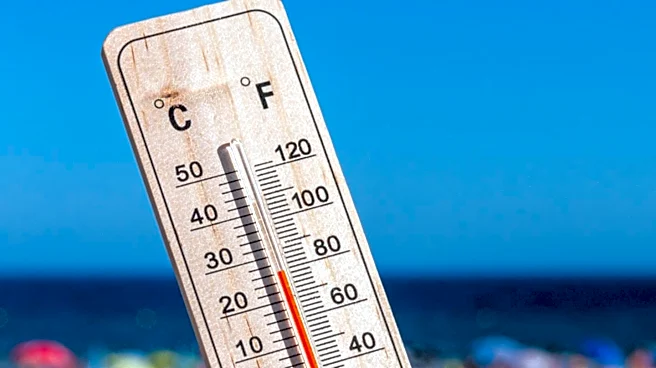
As Massachusetts experiences brutal heat and stifling humidity, 50 beaches across the state have been closed. The Massachusetts Department of Public Health's interactive beach water quality dashboard indicates that these closures are primarily due to
harmful bacteria or algae levels. The affected beaches include popular locations such as Puffers Pond in Amherst and Wollaston Beach in Quincy. Health officials advise the public to avoid swimming in these waters to prevent potential health issues, including gastrointestinal and respiratory problems.
Why It's Important?
The closure of 50 beaches in Massachusetts highlights the ongoing challenges posed by environmental factors such as heat and water quality. These closures not only impact recreational activities but also raise concerns about public health and safety. The situation underscores the need for effective environmental monitoring and management to ensure safe and enjoyable public spaces. Additionally, it reflects broader issues related to climate change and its effects on local ecosystems and public health infrastructure.
What's Next?
The Massachusetts Department of Public Health will continue to monitor water quality and provide updates through their dashboard. Most beach closures are expected to last one to two days, depending on the results of water sample testing. As the summer season progresses, ongoing environmental monitoring will be crucial in managing public health risks and ensuring the safety of recreational water activities.