
What's Happening?
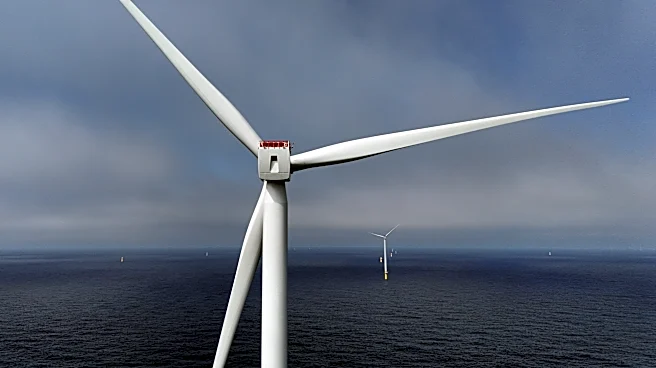
The European Union is advocating for a robust post-2030 energy framework to address energy security and affordability in light of geopolitical tensions. The framework aims to phase out fossil fuels and transition
to a renewable-based energy system. This initiative is driven by the need to reduce dependency on volatile fossil fuel markets, as highlighted by recent geopolitical events such as the conflict in Ukraine. The EU's current energy and climate framework has already shown benefits in renewable energy deployment and emissions reduction, and the new framework seeks to build on this success.
Why It's Important?
The proposed energy framework is crucial for ensuring long-term energy security and economic stability in Europe. By reducing reliance on fossil fuels, the EU aims to protect its economy from price volatility and supply disruptions. This transition is also expected to drive technological innovation and create jobs in the renewable energy sector. For the U.S., this development could influence energy policies and market dynamics, as Europe is a significant player in the global energy landscape. The shift towards renewables may also present opportunities for U.S. companies involved in clean energy technologies.
What's Next?
As discussions on the post-2030 framework progress, the EU will focus on setting binding targets for renewable energy and energy efficiency. These targets will be supported by strong governance and enforcement mechanisms to ensure implementation. The framework will also emphasize cross-border cooperation and investment in energy infrastructure. The outcome of these discussions will shape Europe's energy policy for decades, potentially influencing global energy markets and international climate agreements.