

What's Happening?
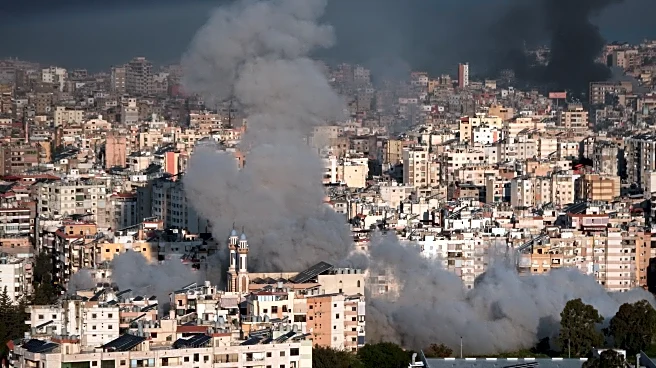
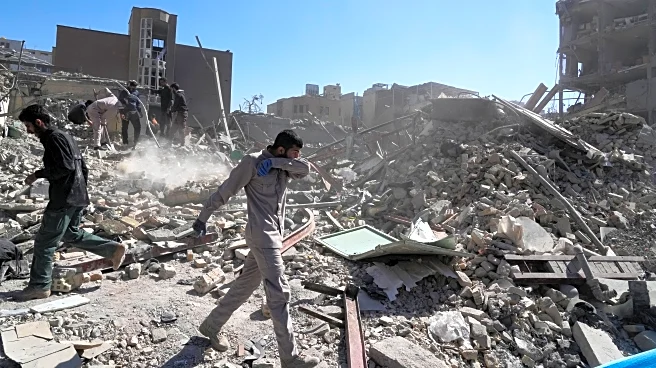
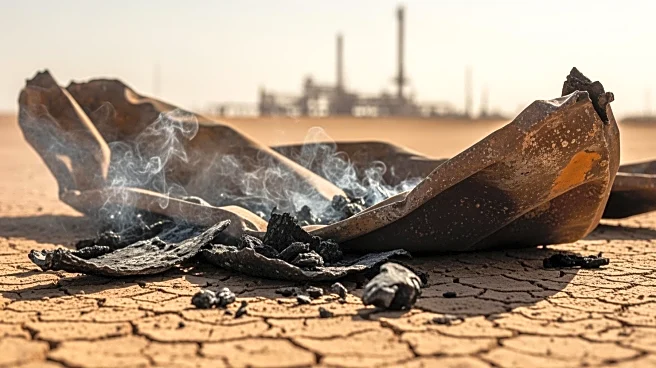
A major fire erupted at the Fujairah oil-trading hub in the United Arab Emirates due to falling debris from an intercepted drone. This incident is part of a series of disruptions affecting energy facilities in the Middle East. Civil defense units are
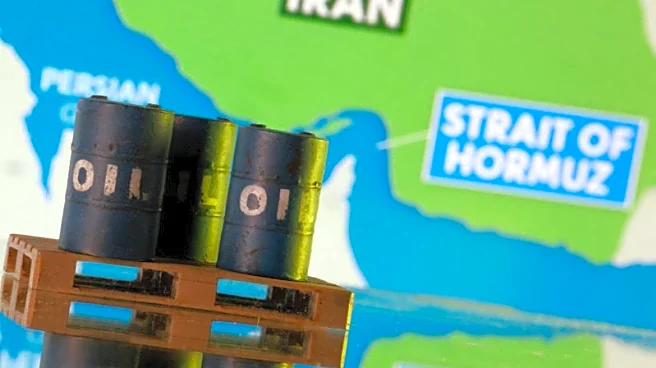
actively working to control the blaze. The fire follows a previous incident in the area and has led to the suspension of operations at a major storage terminal and an oil refinery. The situation has caused a spike in oil and European natural gas prices as regional tensions escalate. The conflict began when the U.S. and Israel attacked Iran, prompting retaliatory actions from Tehran. Fujairah is a critical port for oil storage and trading, strategically located outside the Strait of Hormuz, and serves as an alternative export route for the UAE.
Why It's Important?
The fire at Fujairah underscores the vulnerability of critical energy infrastructure in the Middle East amidst escalating geopolitical tensions. The disruption at Fujairah, a key oil storage and trading hub, highlights the potential for significant impacts on global energy markets. The incident has already contributed to rising oil and gas prices, affecting economic stability and energy security. The strategic location of Fujairah outside the Strait of Hormuz makes it a vital alternative route for oil exports, emphasizing its importance in maintaining the flow of energy resources. The ongoing conflict and its impact on energy facilities could lead to broader economic repercussions, affecting industries and consumers worldwide.
What's Next?
Efforts to control the fire and assess the damage at Fujairah are ongoing. The incident may prompt increased security measures at energy facilities across the region to prevent further disruptions. Stakeholders, including governments and energy companies, are likely to monitor the situation closely and may consider diplomatic or military responses to stabilize the region. The potential for further escalation of hostilities could lead to additional impacts on energy markets and global supply chains. The international community may seek to mediate tensions to prevent further disruptions to critical infrastructure.