




What's Happening?
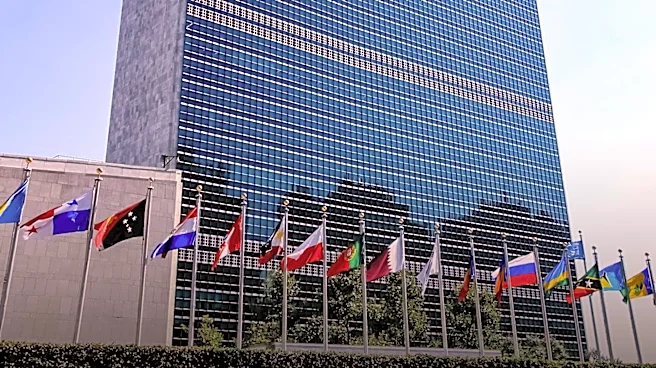
Ambassador Kate Foster, UK Deputy Permanent Representative to the UN, delivered a statement at the UN Security Council meeting on UN Peacekeeping Operations, emphasizing the United Kingdom's readiness to collaborate with the UN to ensure these operations
remain adaptable, effective, and relevant for future challenges. The statement highlighted the increasing complexity and internationalization of conflicts, which are now more frequently shaped by new technologies. The UK welcomed the unanimous adoption of Security Council resolution 2823, aimed at strengthening accountability for attacks against UN peacekeeping personnel. Furthermore, the UK acknowledged the Secretary-General’s Review on the future of UN peacekeeping operations, underscoring the necessity for these operations to continuously evolve to maintain their effectiveness in a rapidly changing global landscape. The UK's position stresses the importance of political primacy, the development of focused and high-performing missions, and ensuring peacekeepers are equipped with the necessary tools to succeed.
Why It's Important?
The UK's stance on UN peacekeeping operations is significant for international stability and the effectiveness of global conflict resolution efforts. By advocating for adaptable and well-equipped missions, the UK is pushing for a more robust and responsive international framework to address complex conflicts. This commitment impacts the safety and security of peacekeepers, as well as the populations they serve, by promoting stronger accountability for attacks against personnel and emphasizing proper training and equipment. The focus on political primacy and clear exit strategies for missions aims to prevent prolonged engagements without tangible progress, thereby optimizing resource allocation and enhancing the credibility of UN interventions. For the U.S., as a major contributor to UN peacekeeping and a key ally of the UK, these developments could influence strategic planning, resource allocation, and diplomatic efforts in various conflict zones, potentially leading to more coordinated and effective international responses to global security threats.
What's Next?
The United Kingdom plans to continue working with the Secretary-General, the Secretariat, and other Member States to implement the recommendations from the Secretary-General’s Review of UN peacekeeping operations. This collaboration will focus on ensuring that peace operations are designed with clear political strategies, realistic objectives, and credible paths to peace, including adaptable exit strategies. There will be an ongoing emphasis on building more focused, adaptable, and high-performing missions, ensuring mandates are prioritized, and aligning resources with political objectives. The UK will also advocate for proper training, equipment, and accountability for both uniformed and civilian personnel, maintaining a zero-tolerance approach to sexual exploitation and abuse. As co-chair of the Elsie Initiative Fund in 2025, the UK will champion efforts to increase women's participation in UN peacekeeping. Additionally, the UK will continue to press for missions to have access to essential technologies and capabilities, and for assessed contributions to be paid in full and on time.
Beyond the Headlines
The UK's emphasis on adaptability and technological integration in peacekeeping operations reflects a broader recognition of how modern conflicts are evolving, increasingly shaped by information warfare and advanced technologies. The call for missions to be equipped to navigate complex information environments, including combating misinformation and disinformation, highlights a critical, often overlooked, dimension of contemporary conflict resolution. This suggests a shift towards a more holistic approach to peacekeeping that extends beyond traditional military and humanitarian roles to include information security and strategic communication. Furthermore, the concern over restrictions imposed by some host states on essential equipment underscores the political complexities and sovereignty challenges inherent in international interventions. The UK's advocacy for predictable and sustainable financing, without conditions, points to the ongoing struggle to secure adequate resources for peacekeeping, a challenge that has significant ethical implications for the international community's responsibility to protect vulnerable populations and maintain global peace.