





What's Happening?
A bipartisan group of House members, including Representatives Mike Kennedy, George Whitesides, Doris Matsui, and Mariannette Miller-Meeks, has introduced the 'Protecting Kids from Human-Like Chatbots Act.' This proposed legislation aims to regulate how
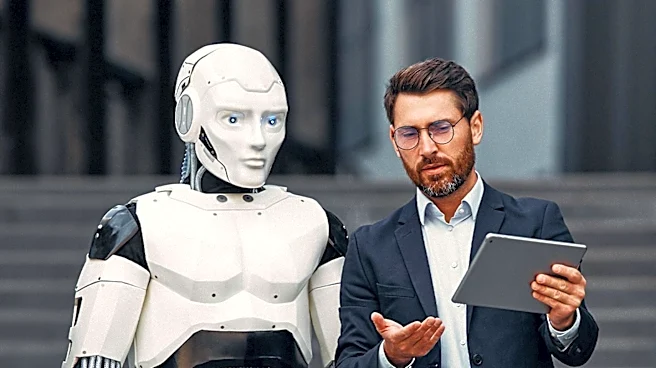
AI chatbots interact with minors by default. The bill would prohibit chatbots used by children from presenting themselves in human-like ways, such as claiming to be human, expressing simulated emotions, or using language designed to build relationships and maintain engagement. It also mandates clear disclosures about the AI nature of the chatbot and limits the ways in which these default settings can be bypassed. The legislation is designed to leave features for adult users unchanged. Supporters of the bill, including various child-safety and mental-health organizations, argue that these measures are necessary to mitigate the risks associated with chatbot designs that encourage emotional attachment in children.
Why It's Important?
This bill addresses growing concerns about the psychological and developmental impact of AI chatbots on minors. By limiting human-like interactions, the legislation seeks to prevent potential manipulation, emotional dependency, and the blurring of lines between human and artificial communication for young users. The ability of AI to simulate empathy and build rapport could be particularly influential on developing minds, potentially affecting social skills, emotional regulation, and understanding of real-world relationships. The proposed regulations aim to create a safer digital environment for children, ensuring they are aware they are interacting with a machine rather than a human. This initiative reflects a broader societal effort to establish ethical guidelines for AI development and deployment, especially when it concerns vulnerable populations.
What's Next?
The 'Protecting Kids from Human-Like Chatbots Act' will now proceed through the legislative process in the House of Representatives, where it will be reviewed by relevant committees. If enacted, enforcement of the bill's provisions would fall under the purview of the Federal Trade Commission (FTC) and state attorneys general. This would likely involve the development of specific guidelines for AI developers and platforms to ensure compliance. Companies that offer AI chatbot services to minors would need to adjust their default settings and implement clear disclosure mechanisms. The bill's progression could also spark further debate on the broader regulation of AI content and interaction, particularly concerning age-appropriate digital experiences and the responsibilities of technology companies in protecting young users.
Beyond the Headlines
The 'Protecting Kids from Human-Like Chatbots Act' touches upon deeper ethical and philosophical questions regarding the nature of artificial intelligence and its role in human development. By seeking to prevent AI from mimicking human characteristics for minors, the bill implicitly acknowledges the potential for AI to influence identity formation and social cognition. This legislation could pave the way for more comprehensive regulations on AI design principles, emphasizing transparency and user well-being over engagement metrics, especially for younger audiences. It also highlights the ongoing challenge of balancing technological innovation with societal safeguards, prompting a re-evaluation of how AI is integrated into daily life and the ethical responsibilities of its creators. The bill could also influence global discussions on AI ethics and child protection in the digital age.