







What's Happening?
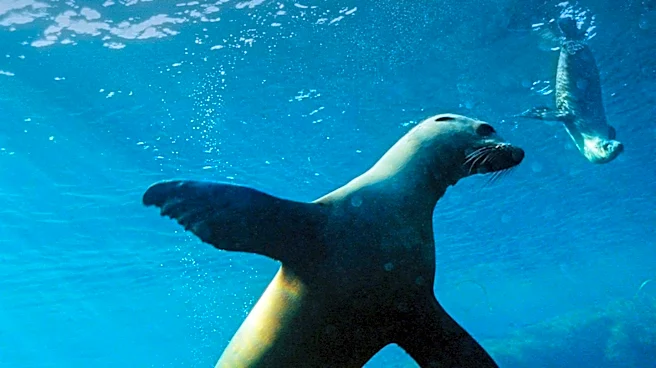
A group of open water swimmers, known as the Blue Boobies, experienced a terrifying encounter with a persistent sea lion near Albany Bulb in the San Francisco Bay over Labor Day weekend. One of the swimmers, Teri Hudson, described the interaction as an 'attack,'
though no one was bitten. The sea lion, which the swimmers named Blondie, had been observed lethargic on the beach prior to the incident. Swimmers in the area had also reported seeing several dead or ill sea lions, including a fur seal, around the same time. These observations have led to concerns that the animals may be suffering from domoic acid toxicity, a neurological poisoning that has seen a spike in cases along the California coastline. The Marine Mammal Center has noted an unusually high number of California sea lions suffering from this condition, with over 150 rescued since the beginning of the year, and more than 110 of those occurring since July 1. While domoic acid toxicity is suspected, definitive diagnosis requires testing, which was not performed on Blondie.
Why It's Important?
This incident highlights a growing environmental and public safety concern in U.S. coastal areas, particularly in California. The increasing prevalence of domoic acid toxicity in marine mammals, linked by many experts to warmer ocean waters due to climate change, indicates a significant ecological imbalance. The aggressive behavior of potentially sick sea lions poses a direct threat to human recreational activities in coastal waters, impacting swimmers, surfers, and paddleboarders. Beyond immediate safety, the health of marine mammal populations serves as an indicator of ocean health. A rise in such illnesses suggests broader issues within the marine ecosystem, potentially affecting fisheries and the overall biodiversity of coastal waters. The unpredictability and intensity of domoic acid events are changing, making it harder for both marine life and humans to adapt, and underscoring the long-term consequences of environmental shifts.
What's Next?
The Marine Mammal Center advises the public to maintain a distance of at least 150 feet from marine mammals, especially those appearing sick or distressed, and to exit the water calmly if approached. They also urge reporting sick or injured animals to their hotline. Continued monitoring and research into domoic acid toxicity and its correlation with environmental factors, such as ocean temperature and harmful algal blooms, will be crucial. Public awareness campaigns about safe interactions with wildlife and the signs of distressed animals are likely to increase. Local authorities and marine conservation groups will need to collaborate to manage public access to affected areas and ensure the safety of both humans and marine life. The long-term trend of increasing domoic acid cases suggests that this issue will persist and potentially worsen, requiring ongoing vigilance and adaptive strategies.
Beyond the Headlines
The recurring incidents of marine mammal illness and unusual behavior, particularly linked to environmental factors like climate change, point to a deeper narrative of 'eco-grief' among those who regularly interact with these environments. Swimmers like Teri Hudson express profound sadness over the dying sea creatures, recognizing these events as tangible evidence of a warming world and human impact. This emotional response underscores a growing public awareness of ecological degradation and the personal toll it takes. The shift in the predictability and seasonality of domoic acid events also challenges established scientific understanding and management strategies, indicating a need for more dynamic and interdisciplinary approaches to environmental conservation. The increasing intersection of human recreational activities with distressed wildlife also raises ethical questions about human responsibility towards the natural world and the balance between human enjoyment and ecological preservation.