





What's Happening?
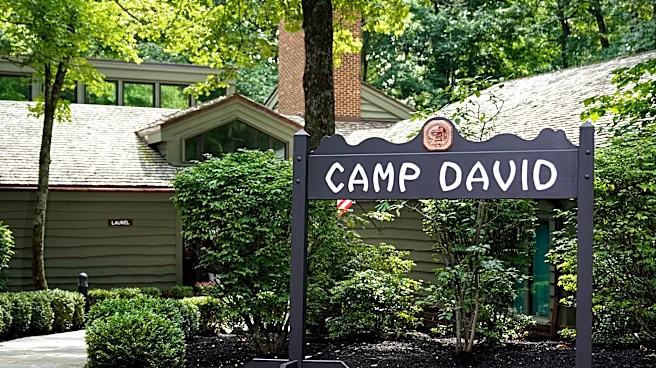
Camp David, the presidential retreat located in Maryland's mountains, has served as a venue for significant political meetings and summits since its establishment by President Franklin Roosevelt during World War II. Originally named Shangri-La, the retreat was
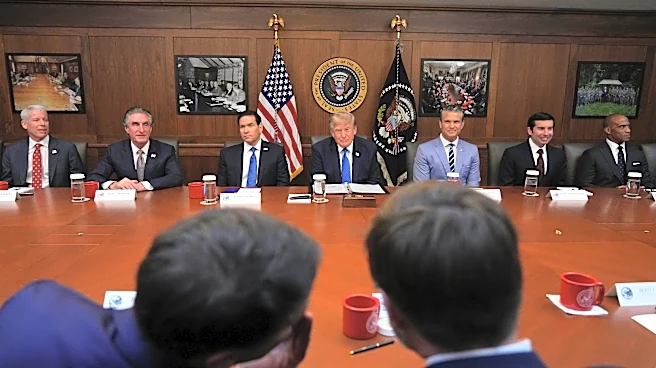
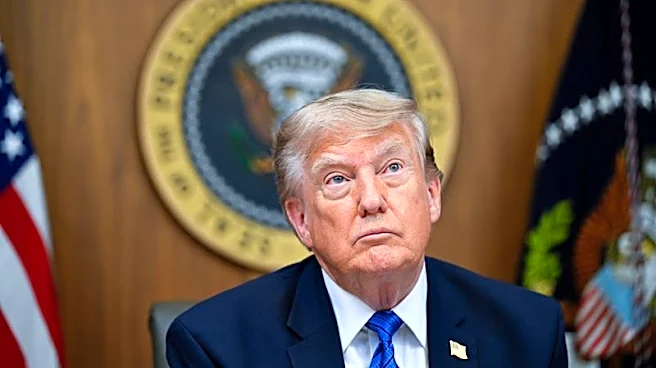
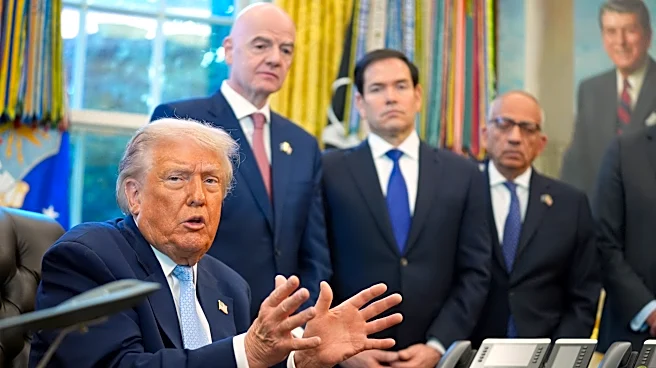
later renamed Camp David by President Dwight Eisenhower. Over the years, it has hosted numerous historical events, including the Camp David Accords under President Jimmy Carter and summits with foreign leaders such as Winston Churchill, Nikita Khrushchev, and Mikhail Gorbachev. President Trump has used the retreat for meetings, although he has spent less time there compared to his predecessors.
Why It's Important?
Camp David holds a unique place in U.S. history as a site where critical diplomatic discussions and decisions have taken place. Its secluded location provides a secure and private environment for presidents to engage in high-stakes negotiations and foster international relations. The retreat's history reflects the evolving nature of U.S. foreign policy and presidential leadership. Understanding its role offers insights into how past and present administrations have navigated complex global challenges.
Beyond the Headlines
Beyond its historical significance, Camp David symbolizes the balance between presidential duties and personal respite. The retreat's rustic setting contrasts with the political intensity of Washington, D.C., offering presidents a space for reflection and strategic planning. Its continued use underscores the importance of informal settings in diplomacy, where leaders can engage more candidly. The retreat also highlights the evolving security and logistical considerations in presidential travel and meetings.