




What's Happening?
The Rochester City Council has reaffirmed its decision to allocate $350,000 from the city's $1 million contingency fund for the relocation of a private wood debris operation. This move overrides a veto issued by Mayor Kim Norton, who, while supporting
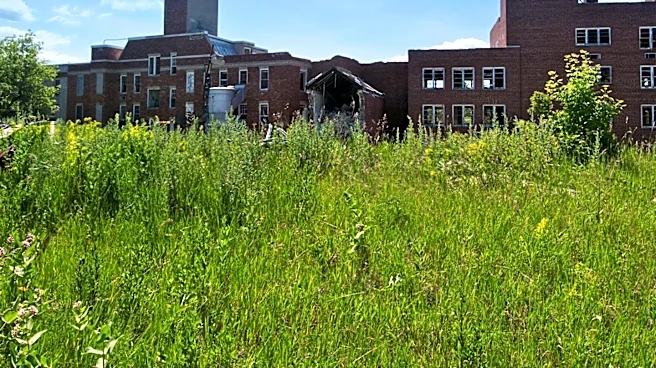
the project, argued that the funding could be deferred until the following year. The council's vote, with Council President Randy Schubring and council members Patrick Keane, Norman Wahl, Andy Fredericks, and Shaun Palmer providing the five necessary votes, ensures the immediate progression of the relocation. The $350,000 represents half of the estimated $700,000 cost to move the commercial operations of Hathaway Tree Service from its current site at 2555 50th Avenue NW to the northern edge of the city-owned Kalmar Reservoir site. This relocation aims to mitigate issues such as wood burning, wood grinding, and truck traffic, which currently impact new housing developments supported by the city's homeownership program. Additionally, the move will free up space for the planned extension of 50th Avenue Northwest in 2027. Assistant City Administrator Ryan Yetzer explained that the funding request became urgent after a planned collaboration with Olmsted County did not materialize, necessitating an unexpected change in plans and associated expenses.
Why It's Important?
This decision highlights a significant power dynamic within Rochester's local government, demonstrating the City Council's ability to override mayoral vetoes and prioritize certain projects. The allocation of contingency funds for a private business relocation, despite mayoral objections, sets a precedent for how unexpected expenses and long-term city planning are handled. For residents, particularly those in the new housing developments near the current Hathaway Tree Service site, the relocation promises a reduction in environmental nuisances like wood burning and grinding, and decreased truck traffic, potentially improving their quality of life and property values. The move also facilitates future infrastructure development, specifically the extension of 50th Avenue Northwest, which could improve connectivity and traffic flow in the area. However, Mayor Norton's concern about the use of contingency funds for non-emergency items raises questions about fiscal prudence and the availability of funds for other potential city needs, such as protected bike lanes, which she cited as an alternative use for the funds. This could lead to future debates on budget allocation and the definition of 'contingency' spending.
What's Next?
Following the council's decision, the relocation of Hathaway Tree Service's commercial operations is expected to proceed. City staff will likely move forward with the necessary arrangements to transfer the business to the Kalmar Reservoir site, utilizing the approved $350,000. The remaining $350,000 for the project will need to be secured, potentially through future budget allocations or other funding mechanisms. The relocation is anticipated to alleviate the environmental and traffic concerns for residents near the current site and pave the way for the 2027 extension of 50th Avenue Northwest. This event may also influence future interactions between Mayor Norton and the City Council, particularly regarding budget decisions and the use of contingency funds. The mayor's consistent use of veto power, with eight out of 14 vetoes being overridden, suggests ongoing tension and differing priorities between the executive and legislative branches of Rochester's city government. Future discussions on city planning and infrastructure projects will likely be scrutinized more closely in light of this decision.
Beyond the Headlines
The repeated overriding of mayoral vetoes by the Rochester City Council points to a broader trend of legislative assertiveness in local governance. This dynamic can lead to both increased efficiency in implementing council-backed initiatives and potential challenges to executive authority. The use of contingency funds for a project that has been discussed for years, rather than for unforeseen emergencies, could spark a re-evaluation of the city's financial policies and the criteria for accessing such funds. This situation also highlights the complex relationship between urban development, private enterprise, and public welfare. While the relocation benefits new housing developments and future infrastructure, it also involves significant public investment in moving a private business. This raises questions about the extent of public responsibility for supporting private operations, especially when they impact residential areas. The long-term implications could include a re-examination of zoning laws, environmental regulations concerning industrial operations near residential zones, and the process for public-private partnerships in urban planning. The incident underscores the continuous balancing act local governments face in fostering economic growth, ensuring public safety, and managing community resources effectively.