







What's Happening?
Four major Latino civic organizations, UnidosUS, the LULAC Institute, Mi Familia en Acción, and Latino Victory Foundation, have formed a coalition to enhance voter engagement among Latino communities ahead of the 2026 midterm elections. This unprecedented
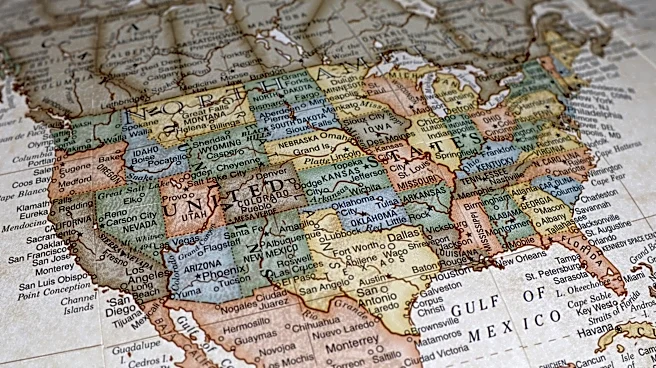
collaboration aims to connect with over 5 million Latino voters, register 250,000 new voters, and increase Latino voter turnout by at least 5% by 2028. The coalition's efforts are focused on battleground states such as Arizona, Nevada, Pennsylvania, Texas, Florida, Ohio, Colorado, New Mexico, and California, which are expected to have competitive House and Senate races. The initiative reflects the growing influence of the Latino electorate, which is the nation's second-largest voting bloc.
Why It's Important?
The coalition's efforts are significant as they aim to mobilize a crucial voting demographic that has seen shifts in political alignment in recent years. Latino voters have become increasingly influential in determining election outcomes, particularly in swing states. The initiative seeks to address issues important to Latino communities, such as healthcare, housing, and economic policies, which could sway voter preferences. The collaboration also highlights the importance of nonpartisan efforts to engage voters and ensure their voices are heard in the political process. As Latino voters continue to grow in numbers, their impact on future elections could shape the political landscape significantly.
What's Next?
The coalition plans to invest in canvassing, phone banking, and digital engagements to reach Latino voters effectively. As the midterm elections approach, both Democratic and Republican parties are likely to intensify their outreach efforts to secure Latino votes. The coalition's success could influence future strategies for voter engagement and set a precedent for other civic organizations to collaborate on large-scale initiatives. Political parties may also adjust their platforms to better address the concerns of Latino voters, potentially leading to shifts in policy priorities.