





What's Happening?
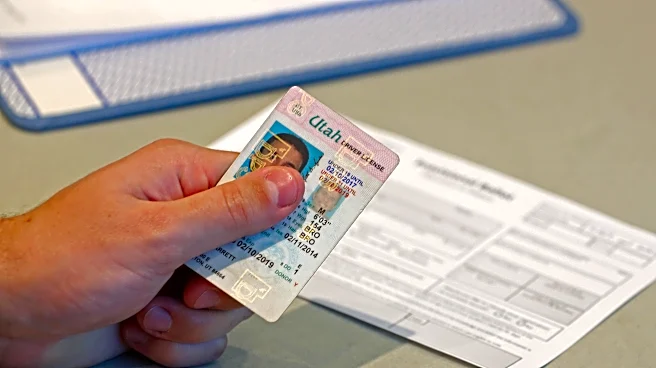
Utah Governor Spencer Cox announced a new consortium of states collaborating to develop a 'state-endorsed digital identity' (SEDI) program. This initiative aims to allow residents to digitize their identifying information while ensuring its protection
from unauthorized access. The goal is to streamline access to government services and personal accounts, enhancing security and privacy in digital interactions. Utah is developing this model alongside Colorado, Delaware, Massachusetts, Oklahoma, and Wyoming. The state plans to replace its existing mobile driver's license program with SEDI in January, envisioning broader applications beyond just government administration, including healthcare and business. The initiative emphasizes mutual verifiable trust, allowing individuals to verify who is requesting their information and their authority to do so. The program is designed to be optional, and Utah's 'Digital Identity Bill of Rights' ensures the government cannot track when and where people use their digital ID.
Why It's Important?
This multi-state effort represents a significant step towards modernizing identity verification in the U.S., potentially setting a national standard for digital IDs. By focusing on user privacy and control, the SEDI program aims to address common concerns associated with digital identification systems, such as data breaches and surveillance. The collaboration among states could lead to a more interoperable and secure digital identity ecosystem, reducing fraud and simplifying transactions for citizens across various sectors. If successful, this model could influence other states and even federal policy on digital identity, promoting a decentralized approach where states lead the development rather than the federal government. The emphasis on a 'Digital Identity Bill of Rights' also highlights a proactive approach to safeguarding individual liberties in an increasingly digital world, potentially influencing future legislation on data privacy and digital rights.
What's Next?
The three-day Park City SEDI Summit is underway to explore new ideas and applications for the digital identity program. Utah plans to implement SEDI in January, replacing its current mobile driver's license program. The consortium will continue to develop the framework, focusing on expanding its utility beyond traditional identification to areas like healthcare and business. Future steps will likely involve pilot programs, public education campaigns, and ongoing collaboration among the participating states to refine the technology and policy aspects. The success of Utah's implementation and the broader consortium will be closely watched by other states and privacy advocates. There may also be discussions about integrating SEDI with existing federal identification systems, such as passports, while maintaining state-level control and privacy principles.
Beyond the Headlines
The development of state-endorsed digital identity programs like SEDI touches upon fundamental questions about personal autonomy and data governance in the digital age. By empowering individuals to control their digital identities and verify who is requesting their information, these initiatives aim to rebuild trust in online interactions, which has been eroded by data breaches and privacy concerns. The program's focus on limiting the powers of artificial intelligence in identity verification also addresses emerging challenges posed by advanced technologies, such as deepfakes and AI agents. This effort could catalyze a broader shift towards user-centric digital identity solutions, where individuals have more agency over their personal data. It also underscores a philosophical debate about whether identity verification should be a state or federal responsibility, with Utah and its partners advocating for state leadership in this critical area.