





What's Happening?
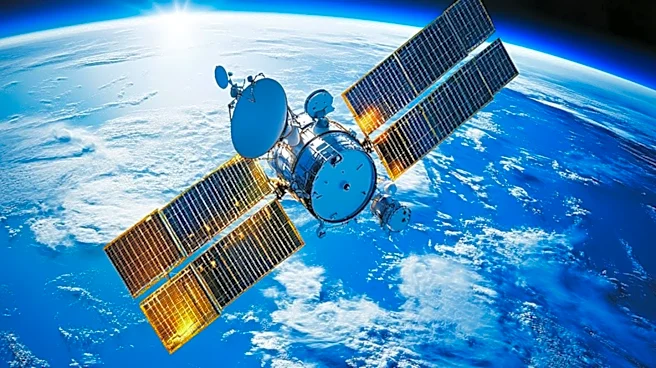
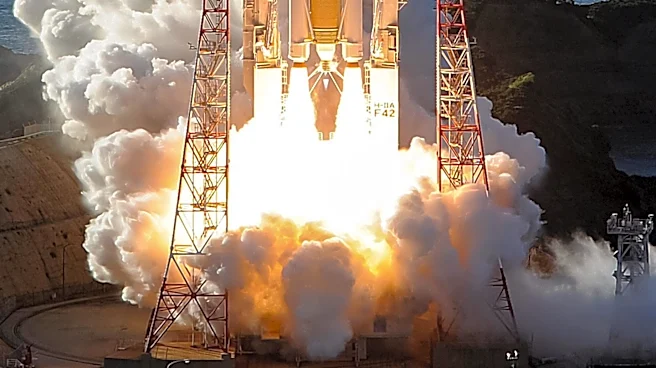
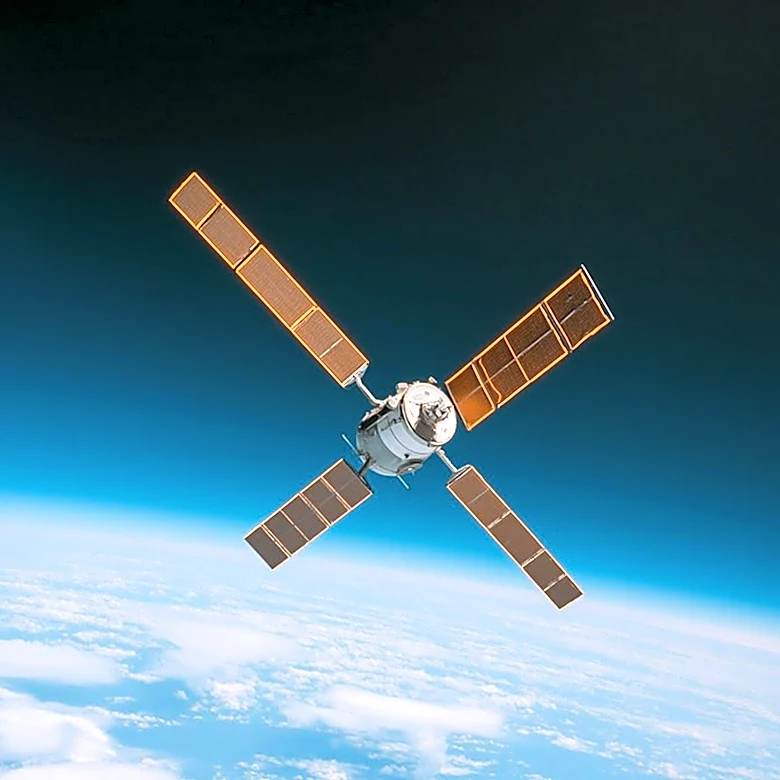
China has launched the Shijian-31 satellite, which is operating in a unique orbit that provides a distinct vantage point over the geostationary belt. Launched on June 16, 2026, from the Xichang spaceport, Shijian-31 is in a Molniya orbit, a type of orbit traditionally
used for high-latitude communications and missile early warning. However, Shijian-31's orbit is adjusted to allow it to sweep the entire geostationary orbit (GEO) belt around Earth approximately every 23 days. This orbit enables the satellite to monitor satellites in GEO, which is situated about 35,786 kilometers above the equator. The satellite's orbit shifts approximately 15.7 degrees in longitude with each pass, providing a comprehensive view of the GEO belt. The mission is described as a 'space environment detection' mission, but its unique orbit suggests additional capabilities, potentially for space situational awareness.
Why It's Important?
The deployment of Shijian-31 in this unique orbit highlights China's advancements in space technology and orbital mechanics. By utilizing a Molniya orbit in an unconventional manner, China can enhance its surveillance capabilities over the GEO belt, which is critical for monitoring communication and military satellites. This development could have significant implications for global space security dynamics, as it suggests an increased interest in space situational awareness and the ability to monitor and potentially interact with other satellites. The mission aligns with a broader trend of deploying inspector satellites, which can observe and potentially influence the operations of other space assets. This capability could impact international relations and space policy, as countries may need to reassess their strategies for protecting their space assets.
What's Next?
As Shijian-31 continues its mission, further observations and analyses will likely reveal more about its capabilities and objectives. The satellite's behavior and activities in orbit will be closely monitored by international space agencies and analysts. The U.S. and other countries with interests in space may respond by enhancing their own space situational awareness capabilities or by engaging in diplomatic discussions to address the implications of such advanced surveillance technologies. The mission could also prompt discussions on the need for international regulations governing the use of inspector satellites and the protection of space assets.
Beyond the Headlines
The Shijian-31 mission underscores the growing importance of space as a strategic domain. The ability to monitor and potentially interact with other satellites raises ethical and legal questions about the militarization of space and the potential for conflicts. As countries develop more sophisticated space technologies, there is a need for international cooperation to ensure the peaceful use of space and to prevent the escalation of tensions. The mission also highlights the need for transparency and communication among space-faring nations to build trust and avoid misunderstandings.