







What's Happening?
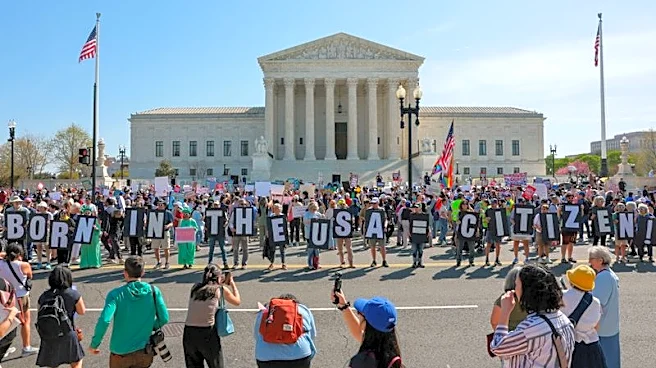
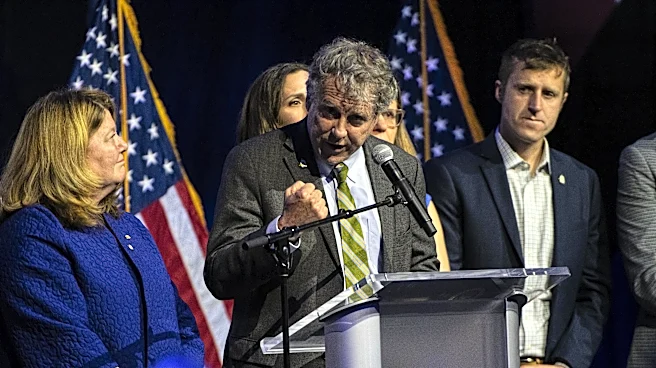
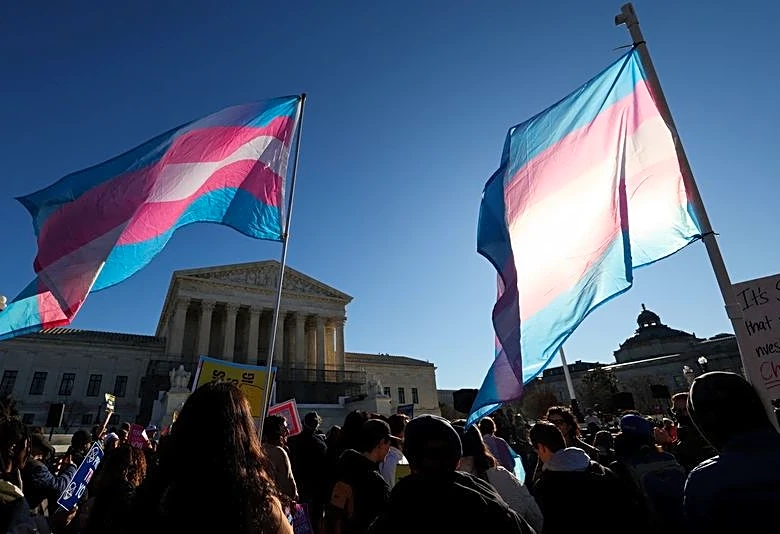
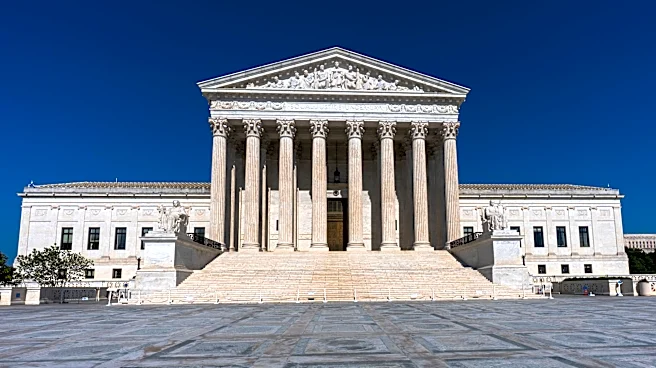
Ohio Governor Mike DeWine has publicly criticized the Trump administration's decision to end Temporary Protected Status (TPS) for Haitians, labeling it a 'mistake.' This comes after a U.S. Supreme Court ruling that allows the administration to proceed
with ending TPS for migrants from countries like Haiti and Syria. DeWine argues that deporting Haitians back to their home country, which is currently experiencing severe violence and instability, is not in the best interest of the United States. He highlights the contributions of TPS holders to the U.S. economy, particularly in Ohio, where many Haitians have settled and become integral to local industries. The Supreme Court's decision has sparked a political debate, with some Republicans supporting the administration's stance, while others, like DeWine, emphasize the humanitarian and economic implications of such a move.
Why It's Important?
The decision to end TPS for Haitians has significant implications for U.S. immigration policy and the economy. TPS provides legal protection and work authorization to migrants from countries facing crises, allowing them to contribute to the U.S. economy. Ending TPS could lead to labor shortages in industries that rely on these workers, such as healthcare and manufacturing. Additionally, the Supreme Court's ruling limits judicial oversight of executive decisions on immigration, potentially affecting over a million migrants. This shift in policy could strain local economies and disrupt communities that have integrated TPS holders. The debate also highlights divisions within the Republican Party, as state leaders like DeWine prioritize economic stability and humanitarian concerns over strict immigration enforcement.
What's Next?
With the Supreme Court's ruling, the Trump administration is expected to move forward with plans to end TPS for Haitians. The Department of Homeland Security, led by Secretary Markwayne Mullin, has indicated that TPS holders will need to seek alternative legal pathways or prepare to leave the U.S. The administration plans to offer financial incentives for voluntary departures. However, the decision is likely to face continued opposition from immigrant advocacy groups and some state leaders. The economic impact of removing TPS holders could prompt further political debate and potential legislative action to address the needs of affected industries and communities.