




What's Happening?
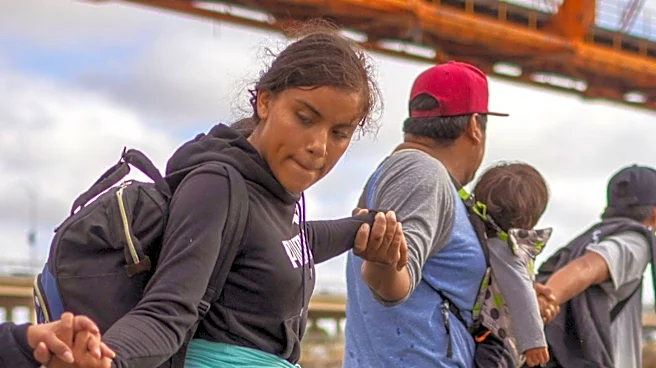
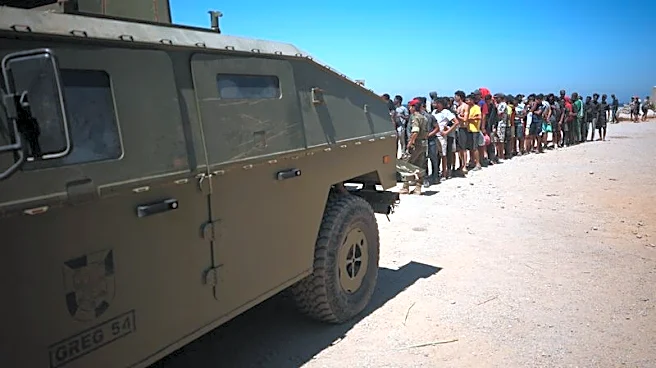
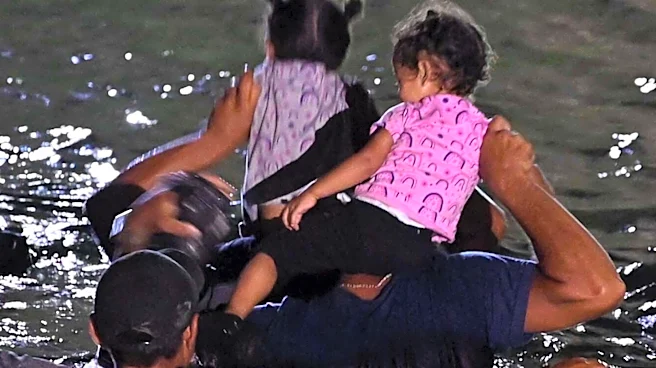
The Moroccan Ministry of the Interior has confirmed that a coordinated social media campaign encouraged a mass migration attempt into Ceuta, a Spanish enclave. The campaign, traced to platforms like TikTok, WhatsApp, and Facebook, falsely suggested that crossing
into Ceuta was easy and without legal consequences. Over 50,000 people attempted to cross, with most returning to Morocco shortly after. The campaign was linked to profiles in Algeria, Tunisia, and France, and involved misleading information and human trafficking networks. Moroccan authorities are investigating the campaign's origins and those responsible.
Why It's Important?
This incident underscores the power of social media in influencing mass movements and the challenges governments face in managing misinformation. The campaign's success in mobilizing thousands highlights the vulnerabilities in border security and the potential for digital platforms to be exploited for illegal activities. The situation also raises concerns about the role of human trafficking networks and the need for international cooperation to address such issues. The event could lead to increased scrutiny of social media platforms and their responsibility in preventing the spread of harmful content.
What's Next?
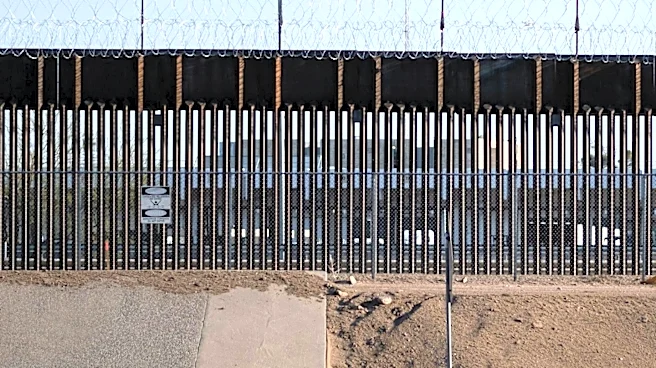
Moroccan authorities are conducting judicial investigations to identify those responsible for the campaign and determine legal consequences. The findings could lead to stricter regulations on social media use and increased efforts to combat misinformation. Additionally, the incident may prompt Spain and Morocco to enhance border security measures and collaborate on addressing migration challenges. The international community may also call for greater accountability from social media companies in preventing the spread of misleading information.