









What's Happening?
Florida has initiated a lawsuit against TikTok, accusing the platform of violating the state's social media law designed to protect minors. The law, passed by Florida's GOP-dominated Legislature in 2024, prohibits children under 14 from using social media platforms
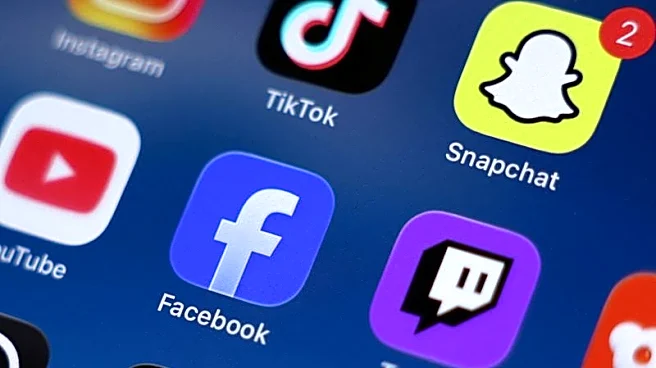
and requires parental consent for those aged 14 and 15. The state alleges that TikTok has failed to comply with these regulations, allowing minors access to harmful content and employing addictive features like infinite scrolling. Florida Attorney General James Uthmeier announced the lawsuit, emphasizing the state's commitment to holding tech companies accountable for the safety of children. While Meta, the parent company of Facebook and Instagram, has complied with the law by removing accounts of underage users, TikTok is accused of deceiving parents about the risks associated with its platform.
Why It's Important?
The lawsuit against TikTok highlights the growing tension between state governments and social media companies over the protection of minors online. Florida's legal action could set a precedent for other states considering similar measures, potentially leading to a broader crackdown on social media platforms. The outcome of this case may influence how tech companies design their platforms and implement age verification processes. It also underscores the ongoing debate about the balance between protecting children and preserving free speech rights. If successful, Florida's lawsuit could result in significant financial penalties for TikTok and prompt other states to pursue similar legal actions.
What's Next?
As the lawsuit progresses, TikTok is expected to defend its safety and privacy measures for minors. The case could lead to increased scrutiny of social media platforms and their compliance with state laws. Other tech companies may face similar legal challenges if they fail to adhere to Florida's regulations. The lawsuit may also prompt discussions at the federal level about establishing uniform standards for age verification and parental consent across all social media platforms. The outcome of this case could influence future legislation and regulatory actions aimed at protecting minors online.