



What's Happening?
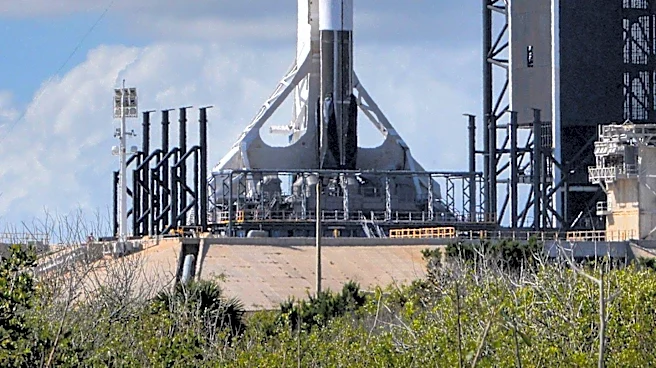
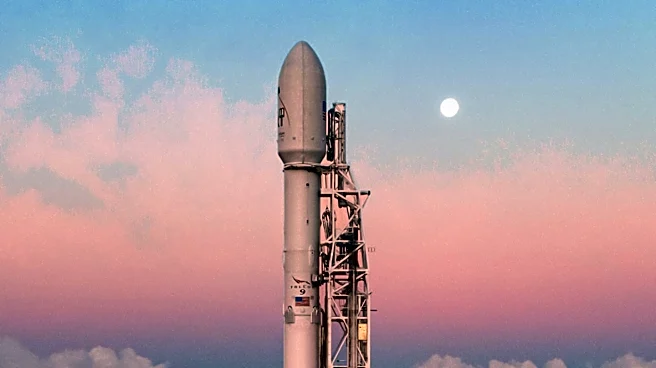
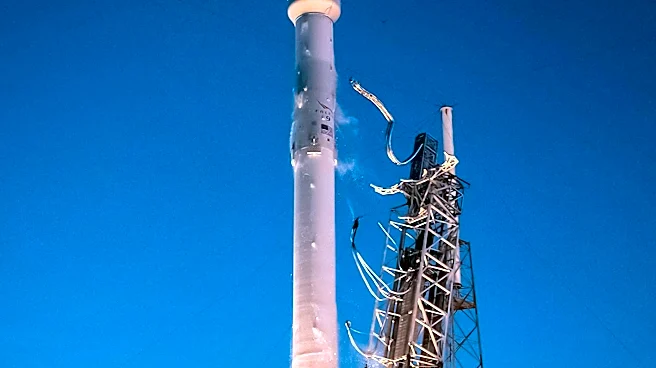
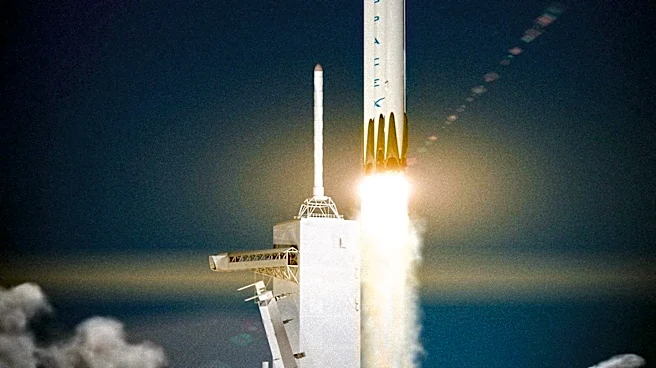
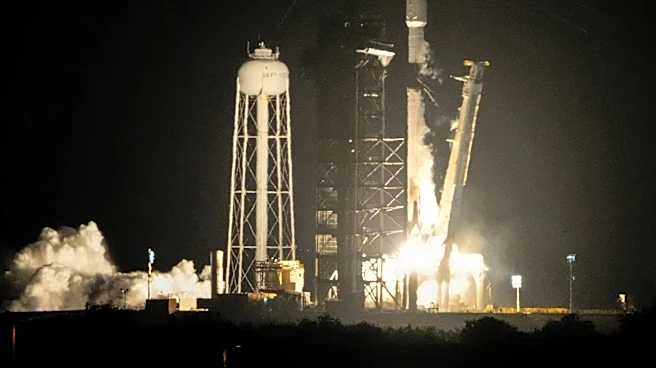
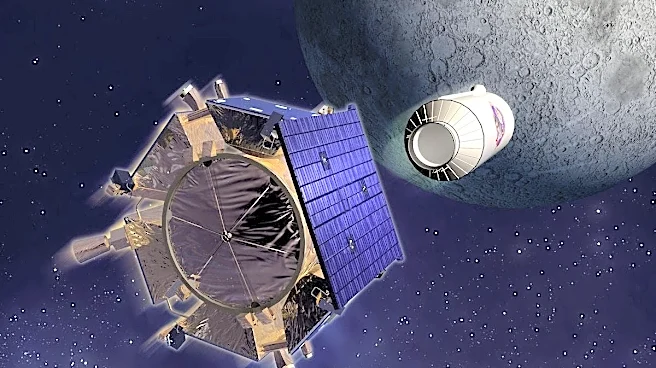
A discarded piece of a SpaceX Falcon 9 rocket is on a collision course with the moon, expected to impact on August 5. The rocket, traveling at over 5,400 mph, will create a new crater on the lunar surface. This event is not an asteroid collision but rather
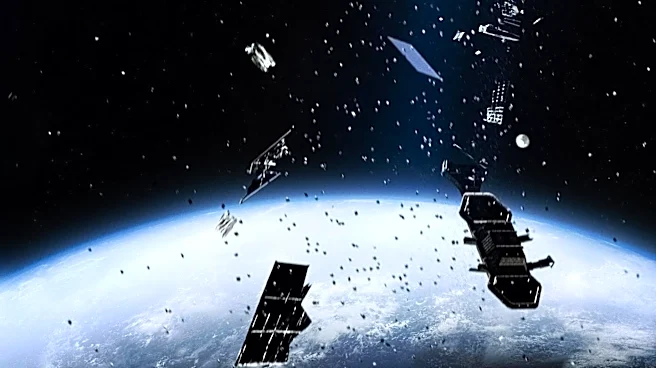
a result of space debris from a previous mission. The impact is anticipated to produce a debris plume visible from Earth, providing scientists with a unique opportunity to study the effects of such collisions. The incident highlights the growing issue of space debris as more missions are launched to the moon.
Why It's Important?
The impending collision underscores the increasing problem of space debris, which poses risks to future lunar missions and potential bases. As more countries and companies aim to explore and utilize the moon, the management of space debris becomes crucial to ensure the safety of astronauts and equipment. The event also offers a chance to study the impact of human-made objects on the moon, which can inform future missions and debris mitigation strategies. The visibility of the debris plume from Earth will allow for detailed scientific observations, contributing to our understanding of lunar surface dynamics.
What's Next?
Following the impact, scientists will analyze data from telescopes and lunar orbiters to assess the effects of the collision. This information will be vital for developing strategies to manage space debris and protect future lunar missions. The event may prompt discussions among international space agencies about establishing guidelines for debris management and collision avoidance. As the U.S. and China plan to send astronauts to the moon in the coming years, ensuring safe and sustainable exploration will be a priority.