







What's Happening?
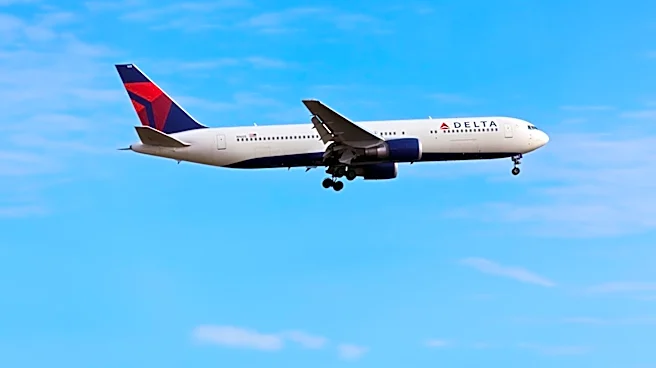
A passenger on Delta Air Lines flight 591 from Las Vegas to Atlanta created a fake Wi-Fi network named 'Delta WiFi Fast,' leading to concerns among the crew and passengers. The incident was reported via ACARS, a legacy messaging system used by airlines.
Delta confirmed that no actual hack occurred and that flight safety was never compromised. The rogue network was active briefly, and the real Wi-Fi service was shut off for about half an hour. Delta is investigating the incident in collaboration with federal law enforcement and aviation regulators.
Why It's Important?
This incident underscores the vulnerabilities in airline communication systems and the potential risks posed by unauthorized network spoofing. It highlights the importance of cybersecurity measures in aviation, especially as airlines increasingly rely on digital services for passenger convenience. The event serves as a reminder of the legal implications of interfering with Wi-Fi networks, as demonstrated by past fines imposed by the FCC. Delta's response reflects the industry's commitment to maintaining safety and security standards, which are crucial for passenger trust and operational integrity.
What's Next?
Delta's investigation may lead to enhanced security protocols for in-flight Wi-Fi services. The airline could implement stricter monitoring and authentication processes to prevent similar incidents. Regulatory bodies might consider updating guidelines to address emerging cybersecurity threats in aviation. Passengers are advised to connect only to verified networks, such as DeltaWiFi.com, to avoid potential scams. The incident may prompt discussions on the need for modernizing legacy systems like ACARS to improve security and functionality.