







What's Happening?
Communities across the United States are experiencing increased disaster fatigue due to the frequent occurrence of natural disasters such as floods, hurricanes, and droughts. This phenomenon is characterized by the exhaustion and strain on resources as communities
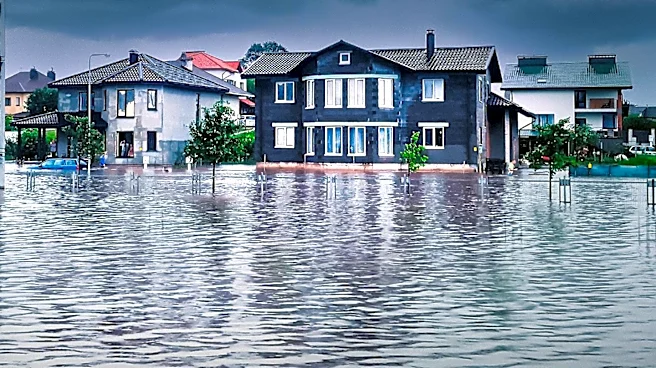
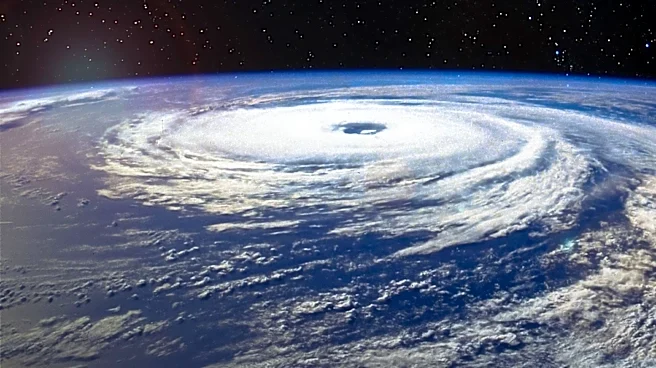
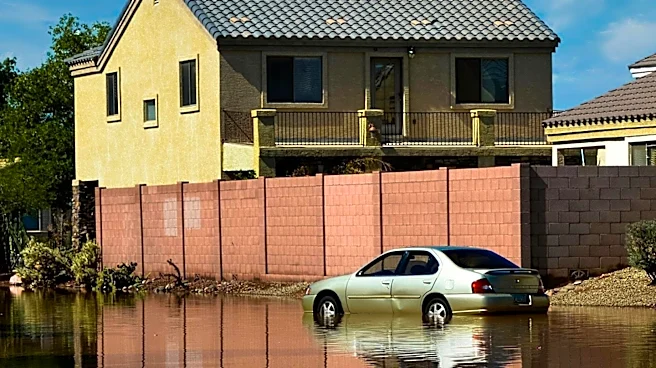
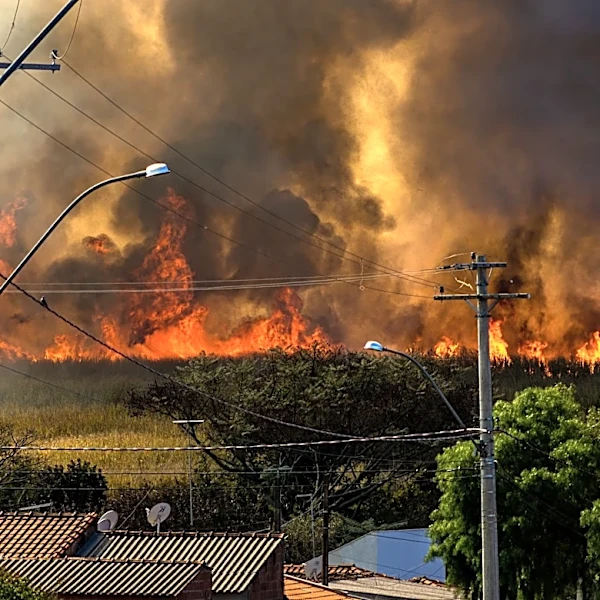
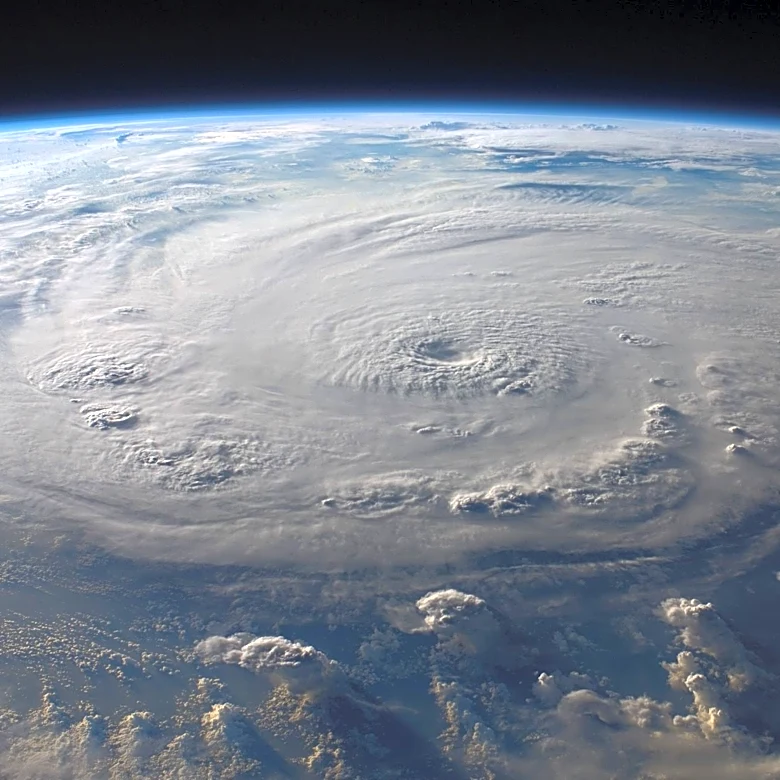
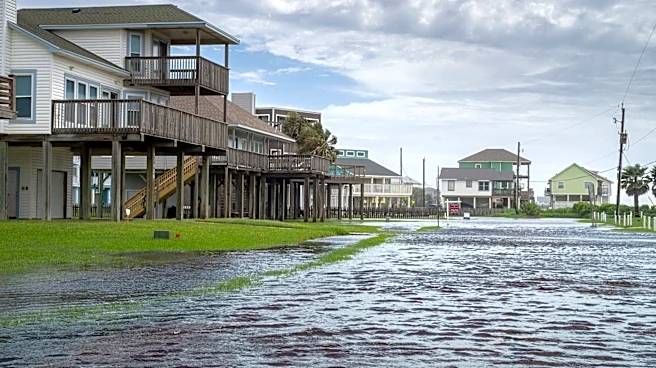
repeatedly face and recover from these events. Recent flash floods have affected areas from Texas to Kentucky, causing significant damage and necessitating emergency responses. In some regions, recovery efforts from previous disasters are still ongoing when new events occur, complicating the recovery process. The traditional model of disaster response, which includes preparedness, response, recovery, and a return to stability, is being challenged as communities find themselves in a continuous cycle of rebuilding. This ongoing state of recovery is exacerbated by climate change, which is contributing to more frequent and severe weather-related hazards.
Why It's Important?
The rise in disaster fatigue has significant implications for the resilience and sustainability of affected communities. As disasters become more frequent, the strain on social cohesion and community resources intensifies. This can lead to burnout among volunteers and emergency responders, as well as mental health challenges for residents who face repeated evacuations and rebuilding efforts. The economic impact is also substantial, with increased insurance and reconstruction costs, and uncertainty for businesses and workers. The need for sustained investments in recovery systems and strategic approaches to aid distribution is critical to ensure that communities can effectively manage and recover from these ongoing challenges. Recognizing and addressing disaster fatigue is essential for building resilient communities capable of withstanding future disruptions.
What's Next?
To address the challenges posed by disaster fatigue, there is a need for long-term recovery planning and coordinated efforts that involve government agencies, nonprofits, and community groups. These efforts should focus on providing the types of assistance most needed by affected communities, such as housing support, debris removal, and healthcare services. Strengthening recovery systems and ensuring that aid is strategically distributed can help communities better prepare for and respond to future disasters. As climate change continues to influence the frequency and severity of natural disasters, building resilient recovery systems will be crucial for the long-term sustainability of affected regions.
Beyond the Headlines
The ongoing cycle of disasters and recovery highlights the need for a reevaluation of current disaster response models. Communities must adapt to the reality of more frequent and severe weather events by developing systems that can withstand repeated disruptions. This includes fostering strong social networks and community systems that can support recovery efforts. Additionally, there is a need for greater awareness and understanding of the psychological and emotional toll of disaster fatigue on residents. Addressing these deeper implications is essential for creating resilient communities that can thrive despite the challenges posed by climate change and natural disasters.