









What's Happening?
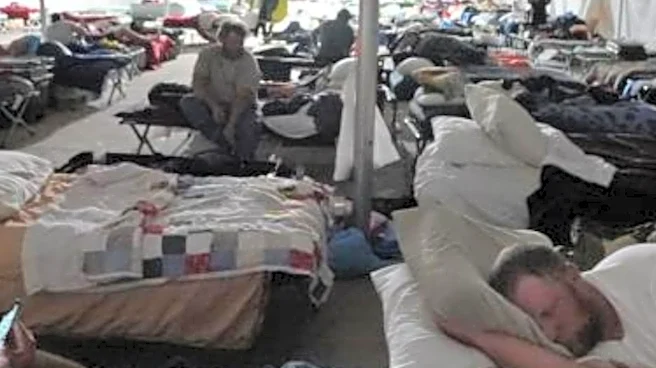
A man identified as Mark Estelle, 44, was found dead on October 11 at Houston's new residential service center for homeless individuals located at 419 Emancipation Avenue in East Downtown. First responders from the Houston Fire Department were dispatched
for a "possible cardiac arrest, non-responsive" call and declared him dead upon arrival. The incident has prompted questions regarding the effectiveness of the center's triage and medical response protocols. Both the City of Houston and the Harris Center, the mental health authority operating the facility under a three-year, $39.1 million contract, have declined to provide specific details about the death, citing state and federal confidentiality laws. Houston Housing Department Director Mike Nichols expressed confidence in the Harris Center's expertise and protocols, emphasizing their role as a healthcare provider.
Why It's Important?
This death at a newly opened homeless service center highlights critical issues in the provision of care for vulnerable populations. The lack of transparency from the city and the Harris Center, while attributed to confidentiality laws, can erode public trust and hinder accountability. It raises concerns about the adequacy of medical screening, emergency response, and overall health and safety measures within such facilities. For the homeless community, it underscores the inherent risks faced by individuals with complex health needs transitioning into residential settings. The incident also puts a spotlight on the city's strategy for addressing homelessness, particularly the operational effectiveness of its contracted service providers and their ability to manage the diverse and often severe health challenges of their residents. The Coalition for the Homeless of Houston and Harris County noted that deaths in residential settings for formerly unsheltered individuals are "sad but not unusual," reflecting the profound health vulnerabilities of this population.
What's Next?
The primary cause of Mark Estelle's death has not yet been determined by the Harris County Medical Examiner's office. The ongoing investigation into the incident is expected to shed more light on the circumstances. Despite the lack of specific answers from the Harris Center and the city, the event may prompt increased scrutiny of the facility's operations and the city's oversight of its contracts. It could lead to calls for greater transparency, independent reviews, or adjustments to protocols for medical assessment and emergency response within homeless service centers. Stakeholders, including advocates for the homeless and community leaders, may pressure city officials to provide more assurances about the safety and quality of care provided at these facilities, potentially influencing future funding and operational guidelines for such programs.
Beyond the Headlines
The death of Mark Estelle at the Houston homeless service center brings to the forefront the broader societal challenges associated with homelessness, particularly the intersection of housing insecurity, mental health, and physical well-being. The confidentiality laws cited by the Harris Center, while intended to protect patient privacy, can inadvertently create a veil of secrecy around critical incidents, making it difficult to assess systemic issues or ensure accountability. This situation underscores the ethical dilemma between privacy rights and the public's right to know about the welfare of vulnerable populations in publicly funded facilities. It also highlights the immense pressure on service providers to manage individuals with complex needs, often requiring a level of medical and mental health support that may exceed the typical scope of a residential facility. The incident serves as a stark reminder of the human cost of homelessness and the ongoing need for comprehensive, transparent, and adequately resourced support systems.