

What's Happening?
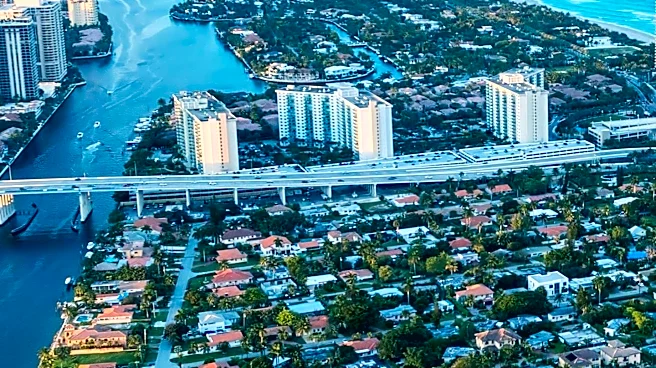
Vermont is considering a new tax on second homes as part of a broader property tax restructuring, following the enactment of Act 73 in 2025. The Vermont Department of Taxes has projected that the most aggressive tax rate could generate approximately $138.6
million annually. However, some political figures, like Democratic gubernatorial candidate Amanda Janoo, have suggested that the tax could bring in up to $1 billion annually, a figure that significantly exceeds current estimates. The Department has highlighted challenges in accurately counting second homes and the potential for tax avoidance if the rate differential between primary residences and second homes is too large. The initiative is part of a broader effort to address education funding and property tax relief in the state.
Why It's Important?
The proposed second-home tax is significant as it aims to address Vermont's education funding challenges and provide property tax relief to year-round residents. The potential revenue from this tax could support various public services, including universal primary care and housing construction. However, the discrepancy between projected and potential revenues raises concerns about the feasibility and effectiveness of the tax. Additionally, the tax could incentivize tax avoidance behaviors, complicating enforcement and compliance. The outcome of this proposal could influence future tax policies and economic strategies in Vermont, impacting homeowners, local governments, and the broader state economy.
What's Next?
The future of the second-home tax depends on several legislative actions, including the establishment of new school district boundaries and the enactment of tax rate multipliers. The Vermont Legislature will need to pass a bill to set the tax rate, which will require the governor's approval. The classification of properties and the implementation of the tax are contingent on these legislative steps. The upcoming Vermont primary election on August 11 could also influence the political landscape and the direction of this tax policy. Stakeholders, including political leaders and homeowners, will be closely monitoring these developments.