


What's Happening?
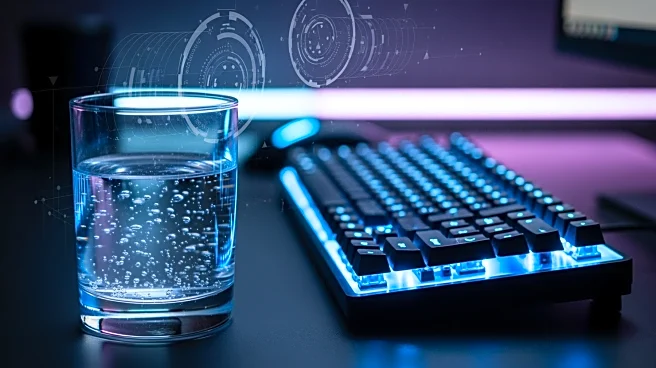
A research team from the University of Tsukuba has discovered that drinking unsweetened, highly carbonated water can help esports players maintain mental focus and reduce fatigue during extended gaming sessions. The study, published in the journal Computers
in Human Behavior Reports, involved a randomized crossover trial with 14 young adults who played virtual soccer for three hours while consuming either sparkling or plain water. Results showed that those who drank sparkling water performed better on executive function tests, experienced less cognitive fatigue, and enjoyed the game more compared to those who drank plain water. The physical sensation of carbonation is believed to engage brain pathways that enhance executive control and attention.
Why It's Important?
This study highlights a healthier alternative to the sugary and caffeinated drinks commonly consumed by esports athletes to combat fatigue. Overconsumption of such drinks poses health risks, including obesity and diabetes. By offering a non-caffeinated option that still supports mental focus, sparkling water could become a preferred choice for gamers seeking to maintain performance without adverse health effects. This finding could influence the beverage choices of esports players and potentially lead to broader adoption of healthier hydration practices in the gaming community.
What's Next?
The study's findings may prompt further research into the benefits of sparkling water for cognitive performance in other high-stress or prolonged mental activities. Additionally, esports organizations and players might consider incorporating sparkling water into their routines to enhance performance and well-being. Beverage companies could also explore marketing strategies targeting the gaming community, emphasizing the cognitive benefits of sparkling water.
Beyond the Headlines
The implications of this study extend beyond esports, suggesting potential benefits for anyone engaged in prolonged mental tasks. The research underscores the importance of sensory experiences in cognitive function, which could lead to new approaches in managing mental fatigue across various fields. Furthermore, the study may encourage a shift in consumer behavior towards healthier beverage options, impacting the broader beverage industry.