



What's Happening?
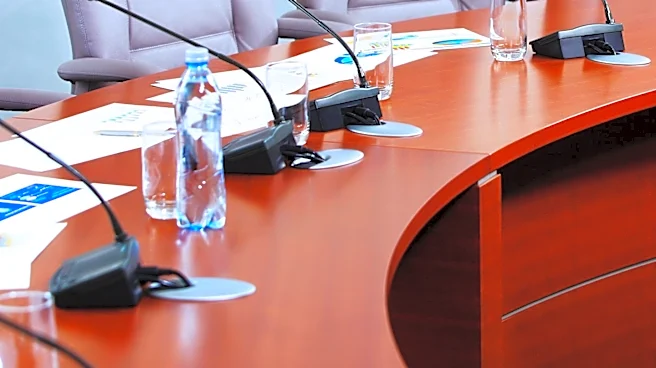
The Springdale Council has unanimously voted 7-0 to restrict media photography at its meetings. Photographers are now prohibited from moving freely around the room and must remain behind a red divider near council members. Cameras with long lenses or
video cameras are required to be used in a designated media section at the back of the room. Cellphone recording and photography from seats are still permitted. This resolution follows previous contentious public comment regulations, which limit citizens to three minutes of speaking time. A notable incident occurred earlier this year when Springdale resident William “Danny” Rosenmund was tackled by police after approximately 2.5 minutes into his remarks. Although Rosenmund was charged with resisting arrest and assaulting police officers, both charges were dropped in August. Borough Solicitor Craig Alexander stated that the new restrictions are intended to address distractions caused by media movement during meetings, asserting that the resolution complies with Pennsylvania’s Sunshine Act, which governs open meetings for local governments.
Why It's Important?
This decision by the Springdale Council has significant implications for transparency and media access in local governance. Restricting the movement of photographers and videographers could limit the media's ability to fully document council proceedings, potentially impacting public oversight. While the council cites distraction as the reason, critics may view this as an attempt to control narratives or reduce scrutiny, especially given the prior incident involving a resident being physically removed during public comment. The balance between maintaining order in public meetings and ensuring robust media coverage is crucial for a healthy democracy. This move could set a precedent for other local governments considering similar restrictions, potentially leading to a broader chilling effect on media freedom and public access to information at the local level. The incident with Mr. Rosenmund highlights underlying tensions between the public, local authorities, and the media.
What's Next?
The Springdale Council's new media photography restrictions are now in effect. It is likely that media organizations and potentially civil liberties groups will monitor the enforcement of these new rules and assess their impact on reporting. There could be legal challenges to the resolution, particularly if media outlets argue that the restrictions impede their ability to fulfill their journalistic duties or violate the spirit of the Sunshine Act. Residents and media personnel will need to adapt to the new designated areas for recording. Future council meetings will serve as a test of how these restrictions are implemented and whether they genuinely reduce distractions without compromising transparency. The ongoing debate about public access and media rights in local government settings is expected to continue, with Springdale's actions potentially influencing discussions in other municipalities.
Beyond the Headlines
The Springdale Council's decision touches upon fundamental questions regarding the role of media in a democratic society and the evolving nature of public access in the digital age. While the council frames the restrictions as a measure to reduce distractions, the broader context of increasingly contentious public meetings and the prior incident involving a resident's removal suggests deeper issues. This situation highlights the tension between governmental bodies seeking to control their operational environment and the public's right to observe and document their actions. The use of a physical barrier and designated media areas could be seen as symbolic of a growing divide between elected officials and the constituents they serve, as well as the press that reports on them. This development could contribute to a larger trend of local governments attempting to manage public perception and limit potential negative coverage, raising concerns about accountability and the free flow of information.