


What's Happening?
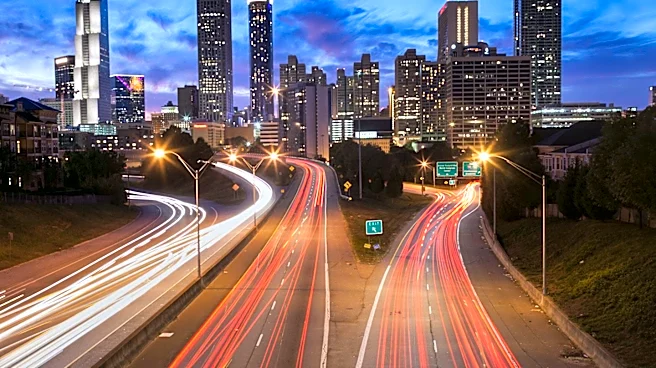
Thousands of residents in Metro Atlanta experienced power outages early Sunday after severe storms swept through the region the previous night. At its peak, nearly 5,000 customers were without electricity, according to the Georgia Power outage map. The
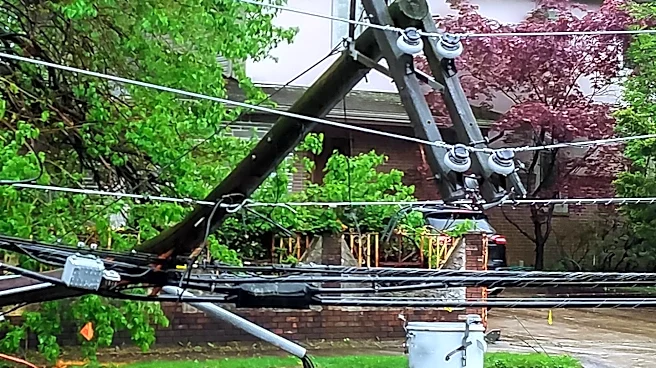
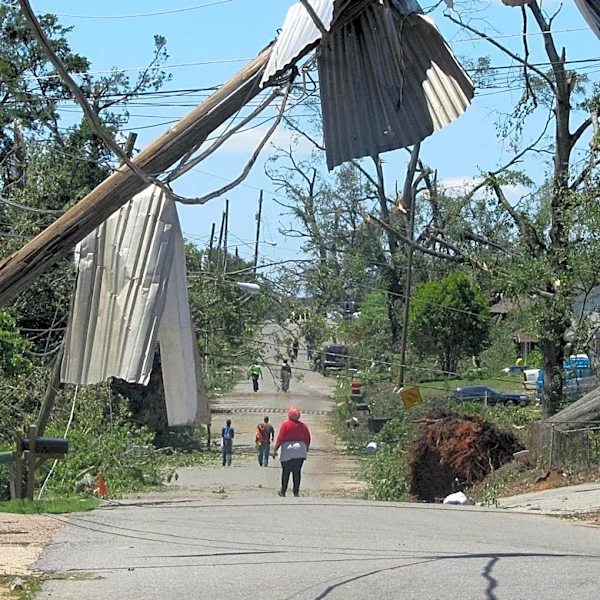
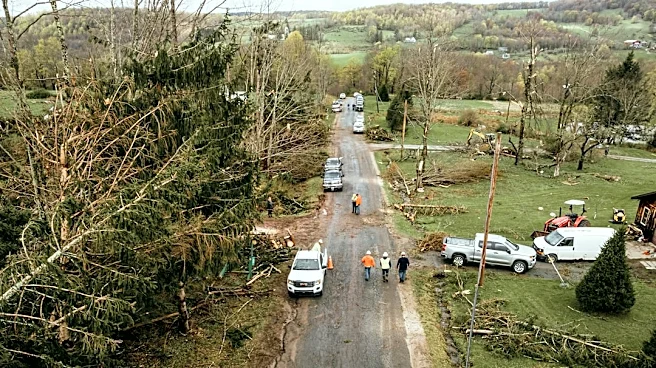
storms caused trees to fall in various neighborhoods across Atlanta, including Inman Park and on Butner Road in East Point. One incident involved a tree and power line catching fire, which was subsequently extinguished by Atlanta Fire Rescue. In Braselton, the severe weather was strong enough to rip scaffolding off the Northeast Georgia Medical Center. As of Sunday morning, the number of affected customers had decreased to approximately 2,000. No injuries have been reported in connection with the storms.
Why It's Important?
The widespread power outages and storm damage in Metro Atlanta highlight the vulnerability of urban infrastructure to severe weather events. For thousands of residents, the loss of electricity disrupts daily life, impacting essential services, communication, and potentially posing health risks, especially with a forecasted heat index feeling like triple digits. Businesses in affected areas may also face operational challenges due to power disruptions. The damage to trees and infrastructure necessitates significant cleanup and repair efforts, which can strain local resources and budgets. The incident at Northeast Georgia Medical Center, though not resulting in injuries, underscores the potential for structural damage to critical facilities during such storms, emphasizing the need for robust building standards and emergency preparedness.
What's Next?
Crews are actively working to restore power to the remaining approximately 2,000 customers in Metro Atlanta. Residents should anticipate continued efforts to clear fallen trees and repair damaged power lines. The region is also under a 'First Alert Weather Day' due to a high heat index and the possibility of additional powerful storms later in the afternoon and evening, which could lead to further disruptions or hinder recovery efforts. Local authorities and utility companies will likely continue to monitor weather conditions closely and issue updates as needed. Residents are advised to stay informed about weather alerts and take necessary precautions, such as preparing for potential renewed outages and avoiding downed power lines.
Beyond the Headlines
The recurring nature of severe weather events in regions like Metro Atlanta, exacerbated by changing climate patterns, points to a broader challenge for urban planning and infrastructure resilience. Beyond immediate repairs, there's a long-term implication for investing in more robust power grids, undergrounding utility lines where feasible, and implementing comprehensive tree management programs to mitigate future damage. The incident also brings to light the importance of community preparedness and mutual aid networks during emergencies. For individuals, it underscores the necessity of having emergency kits, communication plans, and awareness of local resources. The economic impact extends beyond immediate repair costs, potentially affecting local commerce and tourism if such events become more frequent or severe, prompting discussions on climate adaptation strategies at a municipal and state level.