



What's Happening?
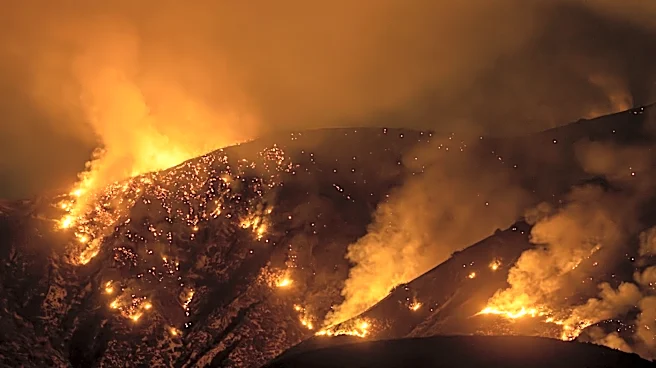
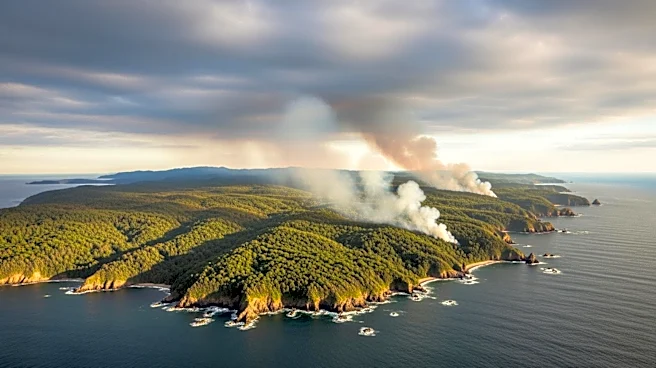
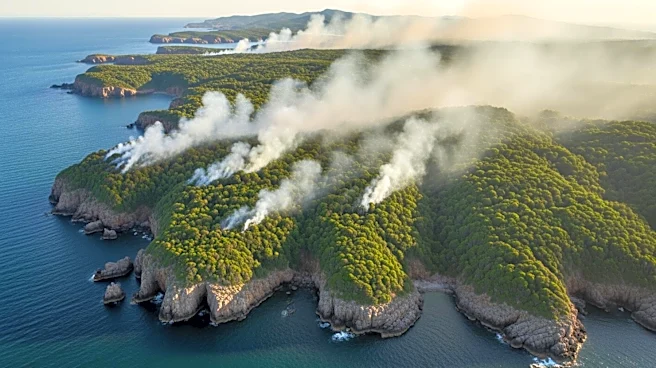
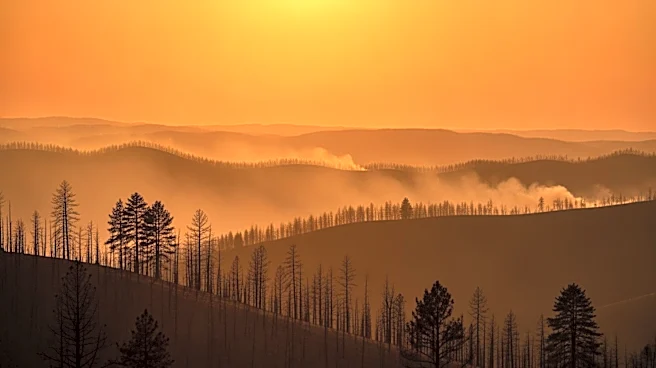
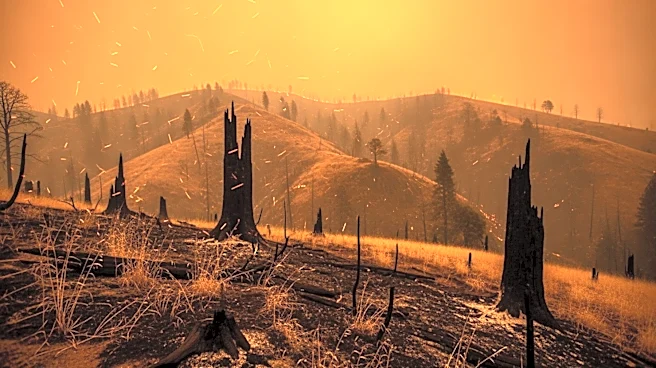
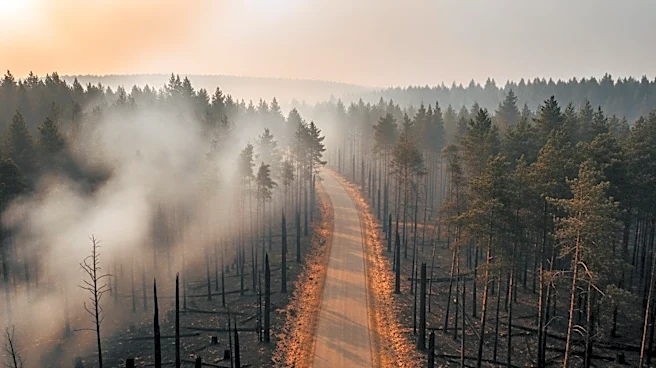
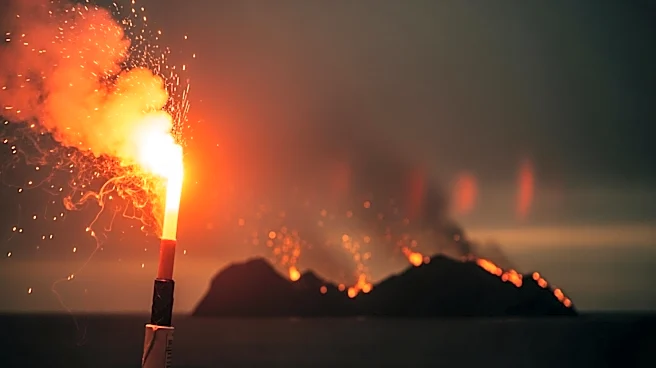
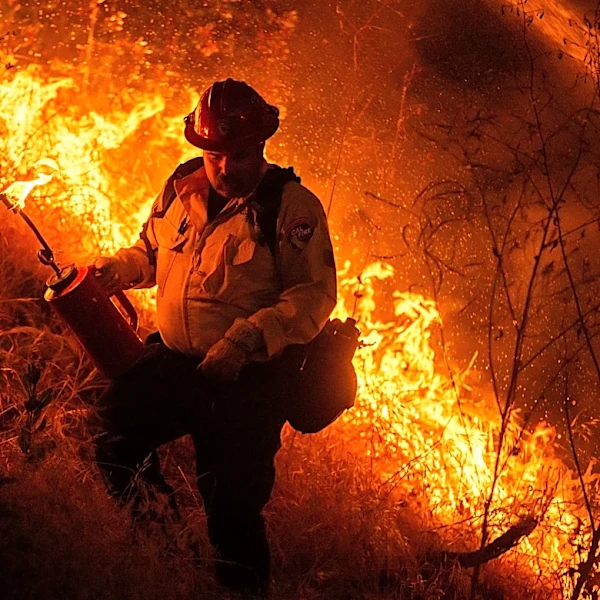
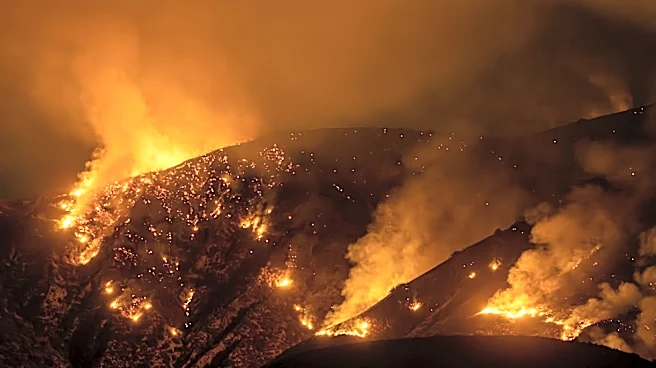
A wildfire on Santa Rosa Island in the Channel Islands National Park has become California's largest wildfire of the year, burning over 10,000 acres. The fire, which started on Friday, was reportedly ignited by a sailor's distress flare after he crashed
his boat on the island's shore. The 67-year-old sailor, stranded and seeking help, fired flares to attract attention, which may have sparked the blaze. The fire has destroyed historic structures and threatens rare plant communities. Firefighters, numbering about six dozen, are battling the blaze, but strong winds have hindered containment efforts, which remain at 0%. The National Park Service has closed the island to visitors and evacuated staff as they work to control the fire.
Why It's Important?
The wildfire poses a significant threat to the unique biodiversity of Santa Rosa Island, often referred to as the 'Galapagos of California.' The island hosts several native plant species that are found nowhere else. The fire endangers these rare ecosystems, which have been recovering after the removal of non-native species and livestock. The incident highlights the vulnerability of protected natural areas to human activities, even unintentional ones, and underscores the challenges of managing and preserving such environments. The economic impact includes potential damage to tourism and conservation efforts, while the environmental impact could be long-lasting if native species are lost.
What's Next?
Efforts to contain the fire will continue, with firefighters working to protect critical areas, including a rare stand of Torrey pines. The National Park Service is conducting an investigation to confirm the cause of the fire. The outcome could lead to changes in safety protocols for visitors and emergency response strategies in the park. The incident may prompt discussions on the balance between public access and conservation in national parks, especially those with sensitive ecosystems.