






What's Happening?
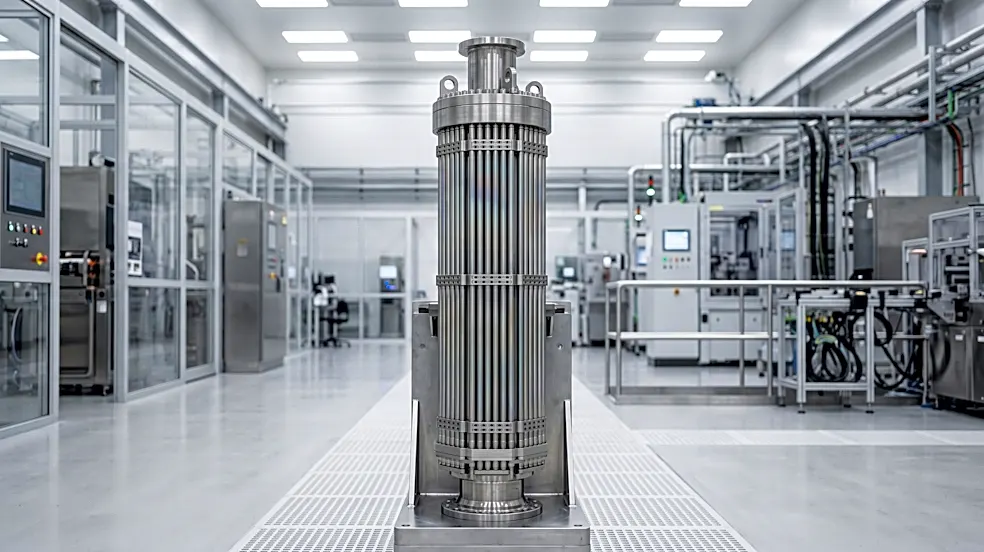
Westinghouse Electric Company is investing approximately $1 billion to expand its nuclear fuel manufacturing capacity at the Columbia Fuel Fabrication Facility in Hopkins, South Carolina. Construction has begun on a new factory designed to produce Low
Enriched Uranium Plus (LEU+) fuel at a commercial scale, with operations anticipated to commence in 2030. This expansion marks the first fleet-scale nuclear fuel factory built in the United States in over 50 years. The new facility will manufacture LEU+ fuel, which uses uranium enriched to between 5% and 8%, a higher range than conventional low-enriched uranium fuel. This advanced fuel is expected to allow eligible nuclear power plants to extend operating cycles and pursue power uprates, subject to regulatory approvals. The project aligns with U.S. government initiatives to restore domestic nuclear fuel capabilities and meet the increasing demand for reliable, low-carbon baseload electricity. The investment also supports the long-term operation of existing nuclear plants and the deployment of Westinghouse's AP1000 reactor technology internationally.
Why It's Important?
This significant investment by Westinghouse is crucial for strengthening the domestic nuclear fuel supply chain in the United States. By expanding LEU+ fuel production, the U.S. aims to reduce its reliance on foreign sources for nuclear fuel, enhancing national energy security. The development supports the existing U.S. reactor fleet by providing advanced fuel that can improve operational efficiency and increase electricity output, thereby contributing to the nation's clean energy goals. Furthermore, the project is expected to create substantial economic benefits, with an estimated $4.9 billion in positive economic impact across South Carolina over the next decade, including job creation in construction, manufacturing, and related sectors. This initiative also positions South Carolina as a leader in the nation's energy sector, fostering innovation and supporting the wider deployment of advanced nuclear technologies. The move is a direct response to the growing demand for nuclear energy as a reliable, low-carbon power source.
What's Next?
Construction of the new LEU+ fuel manufacturing building is currently underway, with Westinghouse targeting the start of operations in 2030. The company has received support from the U.S. Department of Energy's tax credit program, state authorities, and Richland County to advance this investment. Once operational, the facility will significantly increase U.S. capacity to manufacture advanced nuclear fuel, playing a vital role in supporting existing reactors and enabling potential increases in nuclear generation. The expansion is also expected to supply fuel for future reactor deployments, both domestically and internationally. The project will incorporate environmental stewardship measures, including responsible site development and preservation of native landscapes. Further regulatory assessments and approvals will be required for nuclear power plants to utilize the LEU+ fuel for extended operating cycles and power uprates. The success of this expansion could pave the way for additional investments in domestic nuclear infrastructure.
Beyond the Headlines
The expansion of nuclear fuel manufacturing capacity by Westinghouse signals a broader strategic shift in U.S. energy policy towards greater energy independence and a robust domestic nuclear industry. This move has implications beyond immediate energy supply, touching upon geopolitical considerations by reducing reliance on potentially unstable foreign fuel sources. It also highlights a renewed commitment to nuclear power as a critical component of a low-carbon energy future, potentially influencing future energy infrastructure development and investment. The project's emphasis on advanced LEU+ fuel suggests a technological evolution in nuclear energy, aiming for more efficient and flexible reactor operations. This could set new standards for nuclear fuel performance and safety, influencing global nuclear energy trends. The long-term success of such initiatives could re-establish the U.S. as a leader in nuclear technology and manufacturing, fostering innovation and creating a skilled workforce in the nuclear sector for decades to come.