






What's Happening?
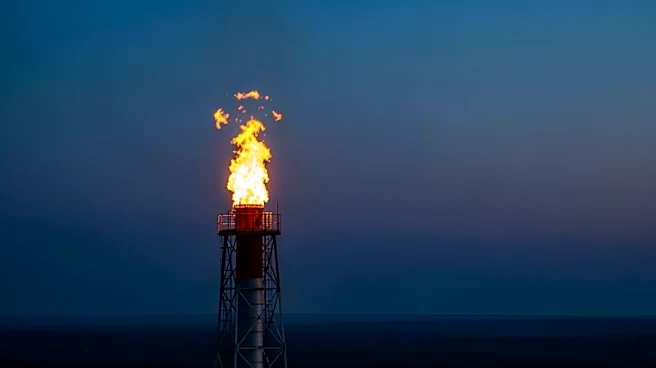
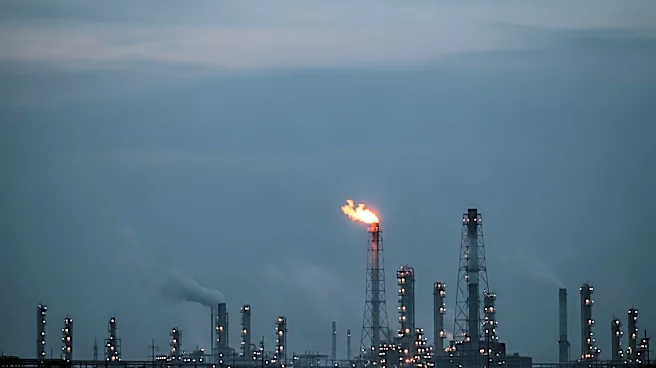
The U.S. Environmental Protection Agency (EPA) has issued guidance permitting oil and gas operators to continue routine flaring, a practice that releases methane and other pollutants, beyond the previously set deadline of May 7th. Methane, a potent greenhouse
gas, has a significant warming impact and is emitted alongside other harmful substances like volatile organic compounds and carcinogens. The decision has drawn criticism from environmental groups, including the Sierra Club, which argues that ending flaring is a cost-effective measure to reduce emissions and protect public health. The EPA's guidance comes despite years of preparation by the industry to phase out the practice.
Why It's Important?
The EPA's decision to allow continued flaring has significant environmental and public health implications. Methane emissions contribute to climate change, and the release of other pollutants poses health risks, particularly to communities near oil and gas infrastructure. The delay in ending flaring is seen as a setback in efforts to reduce greenhouse gas emissions and transition to cleaner energy sources. This decision highlights the ongoing tension between regulatory agencies and environmental advocates over the pace and scope of environmental protections in the fossil fuel industry.
What's Next?
Environmental groups are likely to continue advocating for stricter regulations on flaring and other emissions from the oil and gas sector. The EPA may face legal challenges or increased pressure from advocacy groups and the public to revisit its decision. Meanwhile, oil and gas operators will need to balance compliance with existing regulations and the potential for future changes. The broader debate over fossil fuel regulation and climate policy is expected to remain a contentious issue in U.S. environmental policy.