




What's Happening?
Iqbal Hasan Mahmud Tuku, the Power, Energy and Mineral Resources Minister, has called for increased utilization of domestic coal to address Bangladesh's energy needs. Speaking at the Fifth Bangladesh Economic Conference 2026 in Dhaka, he emphasized the necessity
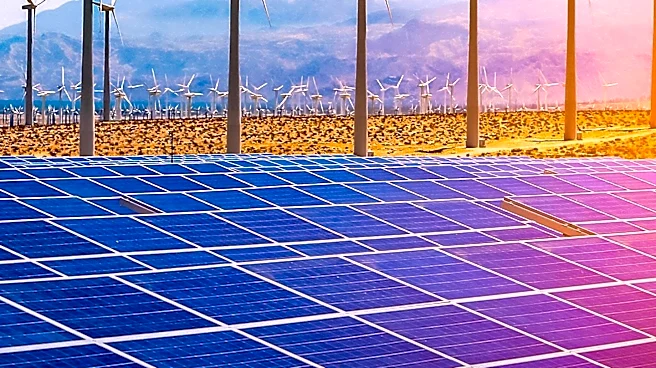
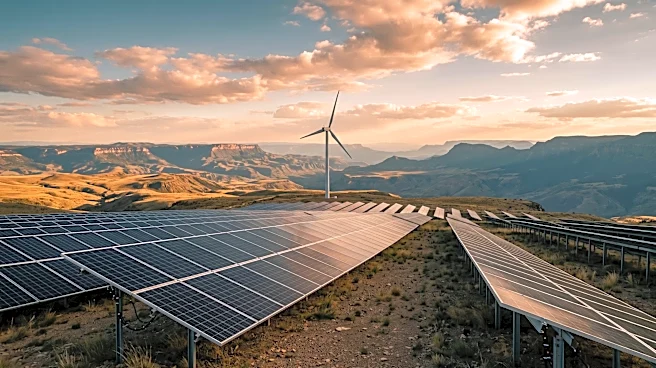
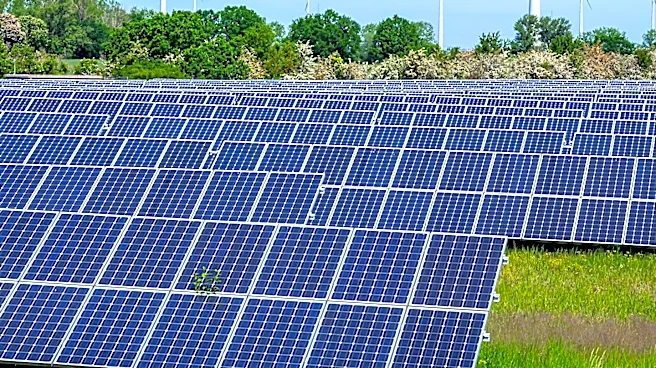
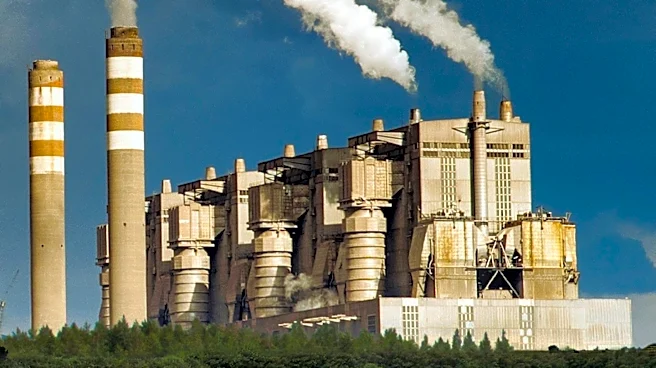
of affordable energy sources. Tuku cited examples from Germany and the United States, noting their continued reliance on coal-fired power generation, to support his argument for Bangladesh to tap into its own coal reserves. He also highlighted the Matarbari coal-fired power plant, claiming it operates without visible smoke, and mentioned solar power with battery storage as another viable option for bolstering energy supply. The minister acknowledged the government's provision of Tk 43,196 crore in power subsidies in FY2025-26 and indicated that subsidies would continue to be necessary to manage energy costs.
Why It's Important?
The minister's push for domestic coal signifies a potential shift or reinforcement in Bangladesh's energy policy, prioritizing affordability and national resources amidst global energy fluctuations. This approach could have significant implications for the country's energy security, reducing reliance on expensive imported fuels like liquefied natural gas (LNG), which has seen price volatility and supply disruptions. However, it also raises environmental concerns, as coal is a major contributor to greenhouse gas emissions, despite claims of cleaner technologies like those at Matarbari. The American Chamber of Commerce in Bangladesh, represented by Syed Mohammad Kamal, expressed concerns about the lack of a clear energy roadmap, which creates uncertainty for foreign investors. A long-term, transparent energy plan is crucial for attracting the necessary investment to develop and sustain energy infrastructure, ensuring both affordability and reliability for industrial and domestic consumers.
What's Next?
The government is expected to further develop its strategy for integrating domestic coal into the national energy mix. This may involve new policies, investments in mining infrastructure, and the construction of additional coal-fired power plants, potentially with advanced emission control technologies. Discussions around the environmental impact of increased coal use will likely intensify, possibly leading to debates on balancing energy security with climate commitments. Foreign investors will be closely watching for the development of a clear and consistent energy roadmap, as called for by the American Chamber of Commerce, to guide their investment decisions. The government will also need to address the ongoing challenge of gas shortages and the high cost of LNG, potentially through continued subsidies or diversification of energy sources, including further development of renewable energy like solar with storage solutions.
Beyond the Headlines
The debate over domestic coal use in Bangladesh reflects a broader global challenge faced by developing nations: how to balance economic growth and energy security with environmental sustainability. While coal offers a potentially cheaper and more readily available energy source, its long-term environmental costs, including air pollution and climate change impacts, are substantial. This situation could lead to increased international scrutiny and pressure on Bangladesh regarding its climate policies and commitments. Furthermore, the lack of a clear energy roadmap could deter not only foreign investment but also hinder the development of a robust and diversified energy sector, leaving the country vulnerable to future energy crises. The decision to lean on domestic coal could also influence regional energy dynamics and Bangladesh's geopolitical standing in energy trade and climate negotiations.