








What's Happening?
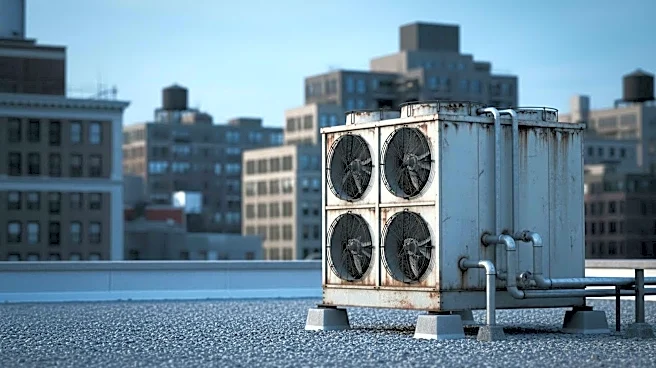
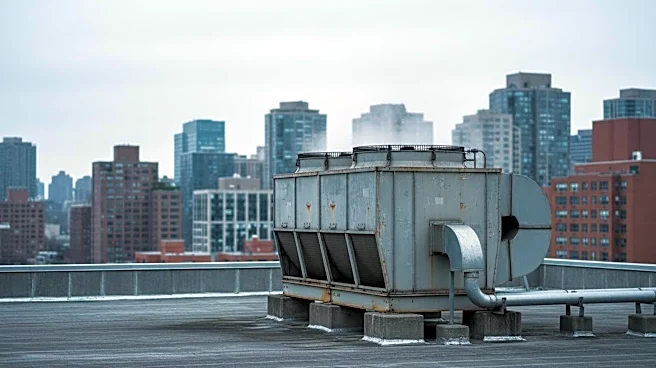
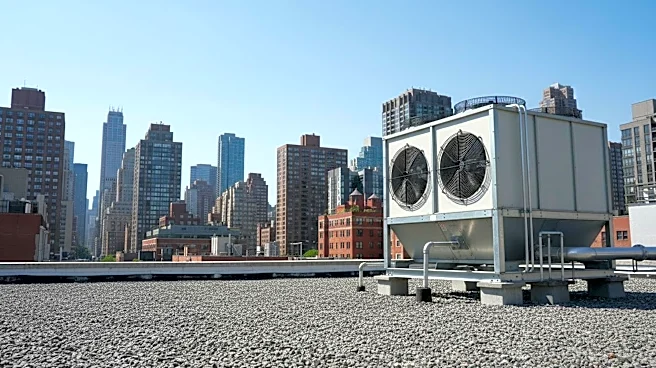
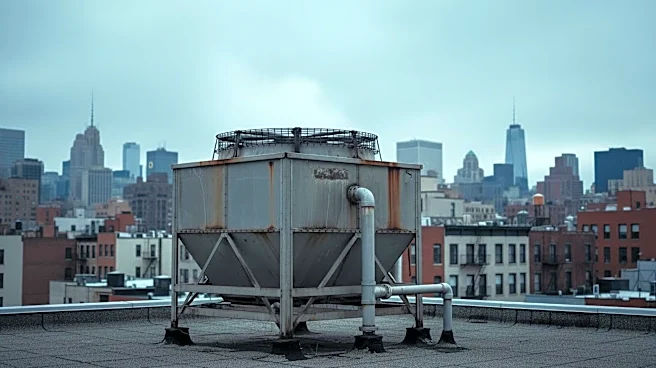
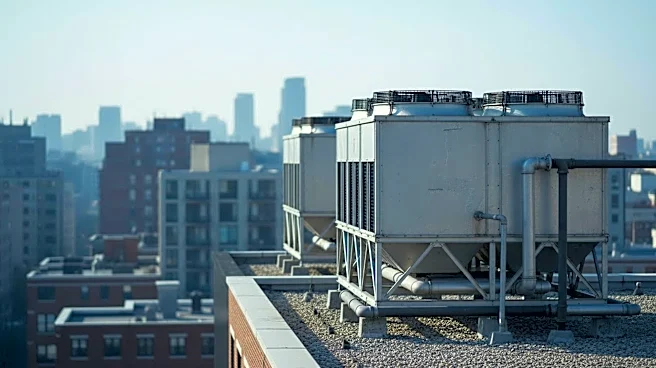
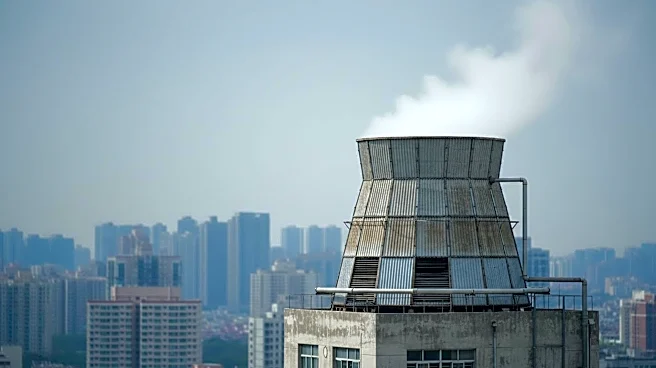
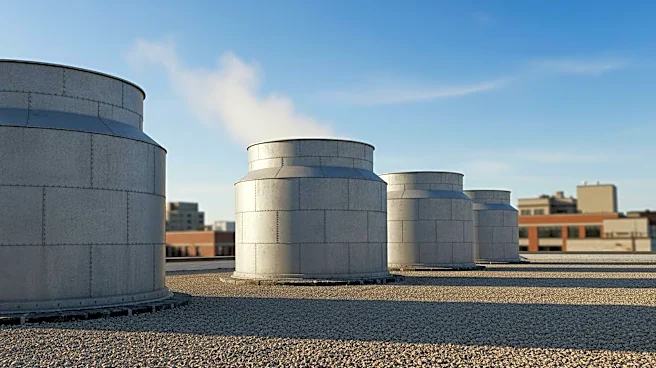
New York City's Upper East Side is experiencing a growing outbreak of Legionnaires' disease, with 36 reported cases and 22 hospitalizations. The city's health department is actively testing cooling towers in the area, as the disease is commonly spread
through mist from contaminated towers. So far, approximately 160 cooling towers have been tested, and several buildings have been ordered to clean and disinfect their towers after testing positive for Legionella bacteria. Health officials are urging residents and visitors in the affected areas to monitor for symptoms such as cough, fever, and muscle aches, and to seek medical attention if symptoms develop.
Why It's Important?
The outbreak highlights the ongoing public health challenges posed by Legionnaires' disease, particularly in urban environments with aging infrastructure. The disease, caused by the Legionella bacterium, can lead to severe pneumonia and is potentially fatal. The situation underscores the importance of regular maintenance and monitoring of building cooling systems to prevent such outbreaks. The health department's response, including extensive testing and public advisories, aims to contain the outbreak and prevent further cases. This incident also raises awareness about the potential health impacts of climate change, as warmer temperatures can increase the prevalence of Legionella bacteria.
What's Next?
The New York City health department plans to continue testing cooling towers and will release a list of buildings that tested positive for Legionella bacteria. Further investigations are needed to pinpoint the exact source of the outbreak. Health officials will likely continue to monitor the situation closely and may implement additional public health measures if necessary. The outcome of these efforts will be crucial in preventing future outbreaks and ensuring public safety.