





What's Happening?
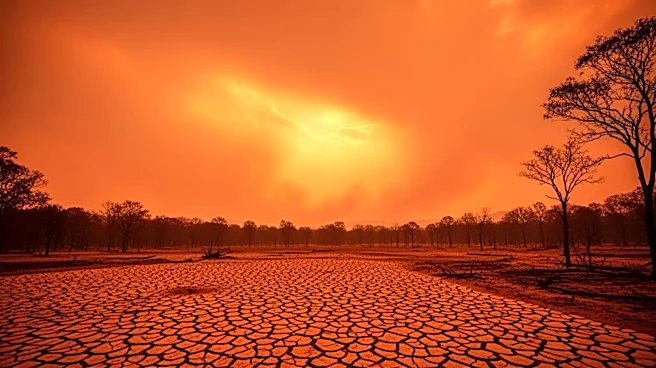
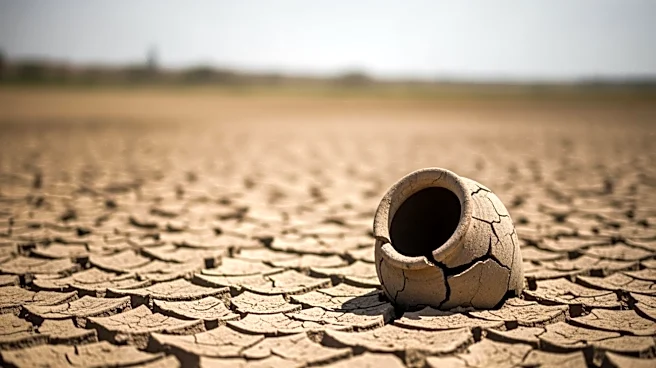
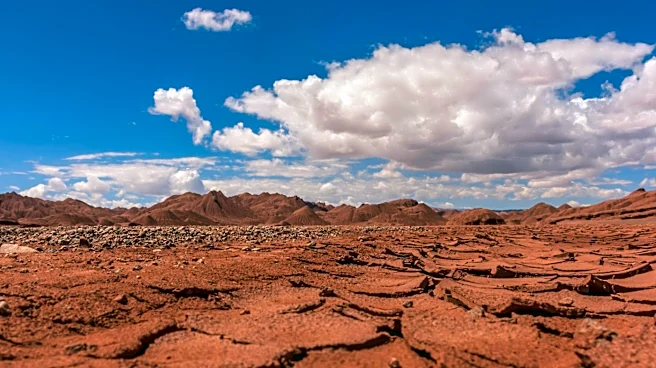
Somalia is facing a severe drought, with millions affected and humanitarian aid significantly reduced. The drought, one of the worst in Somali history, has led to widespread food insecurity, with nearly half a million children at risk of severe acute
malnutrition. The situation is worsened by aid cuts, particularly from the U.S., and rising prices due to the Iran war. The Somali government and the U.N. report that 6.5 million people are experiencing crisis levels of hunger. The drought has also displaced 200,000 people this year, adding to the challenges faced by the country.
Why It's Important?
The reduction in humanitarian aid, especially from the U.S., has left Somalia vulnerable to the impacts of climate change and conflict. The drought's severity highlights the urgent need for international support to prevent a humanitarian catastrophe. The situation in Somalia is a stark reminder of the broader challenges faced by countries susceptible to climate shocks and reliant on international aid. The lack of resources to address the crisis could lead to increased mortality rates and further displacement, potentially destabilizing the region and prompting international intervention.
What's Next?
Without significant international aid, the outlook for Somalia remains dire. Humanitarian organizations are calling for increased funding to address the immediate needs of the population. The international community may need to reassess its aid strategies to ensure sustainable support for vulnerable regions. The situation could prompt discussions on climate resilience and the role of developed nations in supporting countries affected by climate change. Continued monitoring and advocacy will be crucial in mobilizing resources and attention to the crisis.