


What's Happening?
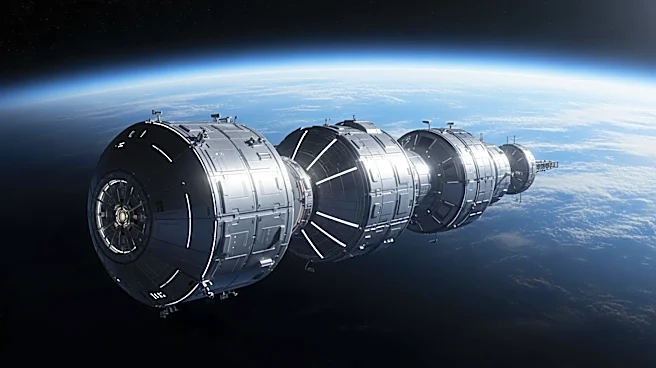
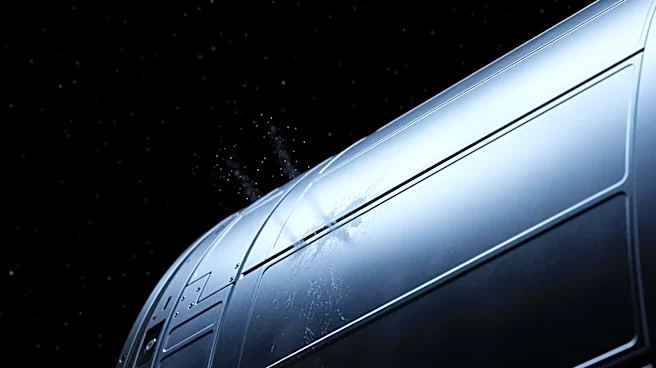
NASA has directed the International Space Station (ISS) crew to temporarily take shelter in the SpaceX Dragon spacecraft following the detection of an air leak. The leak was traced to the Zvezda Service Module, a Russian segment of the ISS, which has been
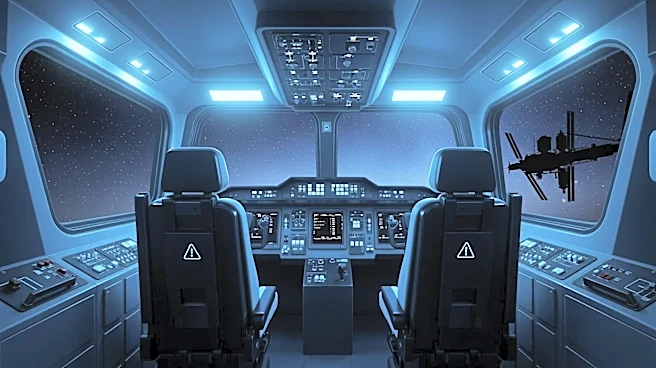
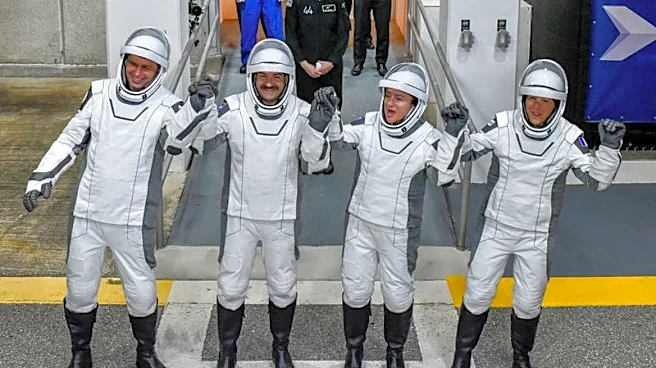
experiencing structural issues for several years. The Zvezda module, one of the oldest parts of the station, has shown signs of small cracks leading to a slow air leak. In response, NASA and Roscosmos coordinated an emergency assessment, pausing ongoing repair efforts to conduct a more detailed structural analysis. The crew, including NASA astronauts Jessica Meir, Jack Hathaway, and Chris Williams, along with European Space Agency astronaut Sophie Adenot and Roscosmos cosmonaut Andrey Fedyaev, moved into the SpaceX Dragon Freedom as a precautionary measure. This action was taken to ensure immediate access to a safe return vehicle if conditions worsened.
Why It's Important?
The incident underscores the challenges of maintaining the aging infrastructure of the ISS, which has been operational for over two decades. The Zvezda module, launched in 2000, is crucial for life support and habitation but is showing signs of wear and tear. This situation highlights the need for ongoing maintenance and potential upgrades to ensure the safety and functionality of the ISS. The collaboration between NASA and Roscosmos in addressing the leak reflects the international cooperation essential for the station's operation. The event also raises questions about the long-term viability of the ISS, which is expected to remain operational until at least 2030, with possible extensions. Ensuring the station's integrity is vital for continued scientific research and international collaboration in space exploration.
What's Next?
Following the stabilization of the immediate risk, the astronauts have returned to normal operations on the ISS. However, continuous monitoring and further structural assessments of the Zvezda module will be necessary to prevent future incidents. The situation may prompt discussions on the need for new infrastructure to support long-term human presence in space, potentially accelerating plans for future space stations or upgrades to existing modules. Stakeholders, including NASA, Roscosmos, and international partners, will likely evaluate the incident's implications for the ISS's future and the broader goals of space exploration.