




What's Happening?
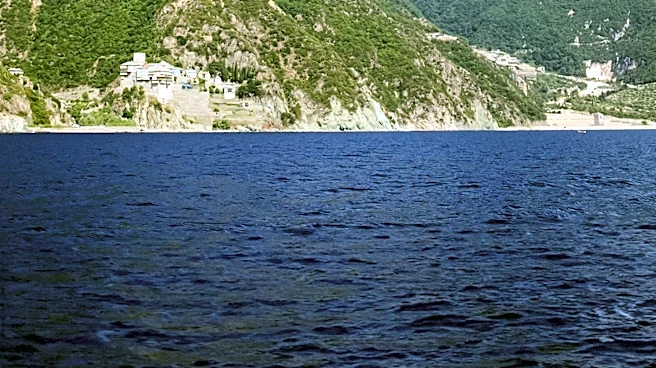
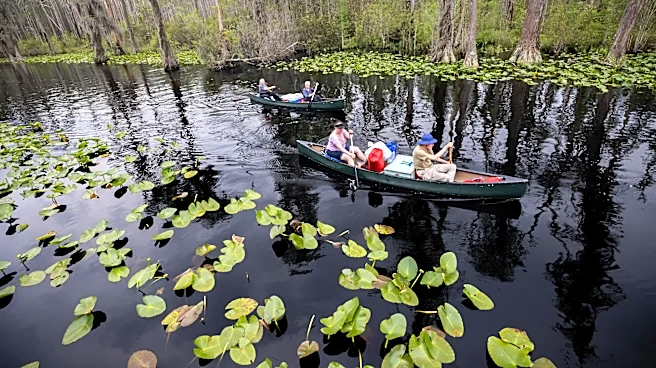
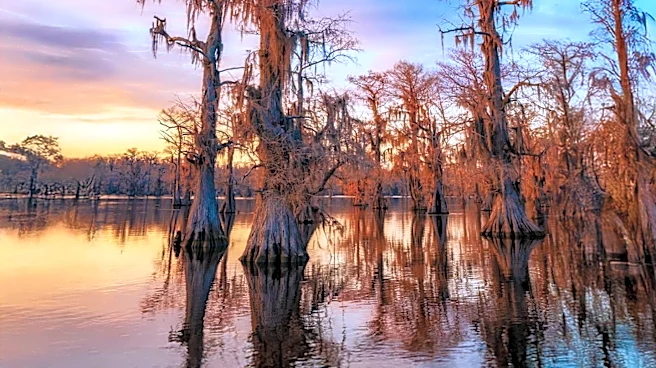
The United Nations Educational, Scientific and Cultural Organization (UNESCO) has added Mount Olympus in Greece and the Okefenokee Swamp in Georgia, USA, to its World Heritage Site list. This designation recognizes the cultural and ecological significance
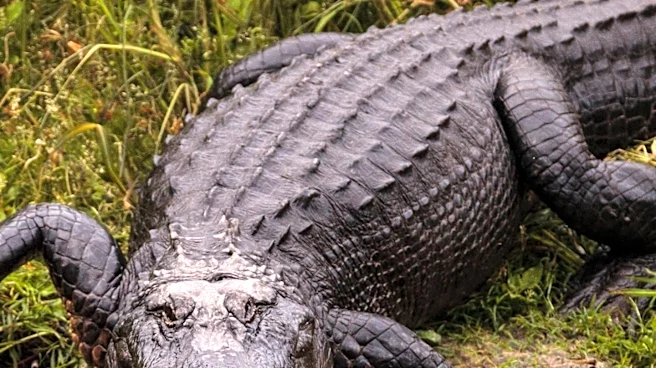
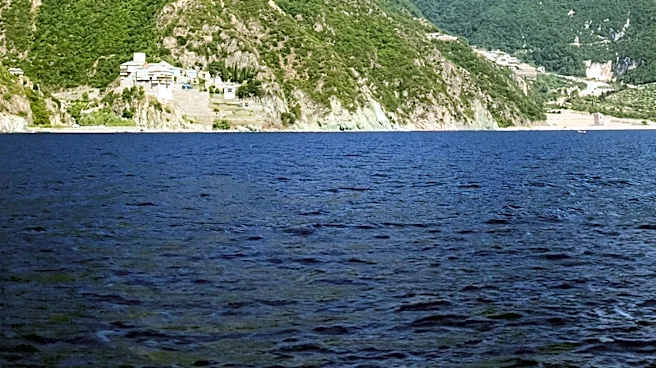
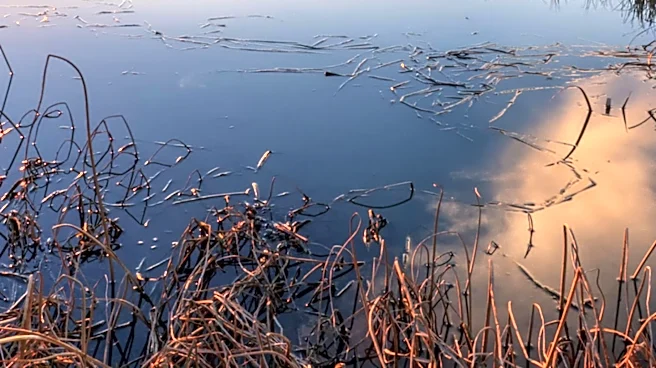
of these sites. Mount Olympus, known in Greek mythology as the home of the gods, is celebrated for its natural beauty and archaeological significance. The Okefenokee Swamp is noted for its endangered Longleaf Pine savannah and peat beds. The UNESCO World Heritage Committee, meeting in Busan, South Korea, inscribed a total of 25 new sites, including 19 cultural sites, five natural environments, and one property exhibiting both cultural and ecological significance.
Why It's Important?
The inclusion of Mount Olympus and the Okefenokee Swamp on the UNESCO World Heritage Site list highlights the global importance of preserving natural and cultural heritage. For the United States, the recognition of the Okefenokee Swamp underscores the need to protect unique ecosystems and biodiversity. This designation can lead to increased tourism and international attention, potentially boosting local economies. It also emphasizes the importance of conservation efforts to maintain these sites for future generations. The recognition of Mount Olympus further enhances the cultural ties between Greece and the global community, promoting the preservation of historical and mythological sites.
What's Next?
Following the designation, both sites are expected to see increased efforts in conservation and management to meet UNESCO's standards. Local authorities and conservation groups may collaborate to ensure the protection of these areas. The designation could also lead to increased funding and resources for preservation projects. Additionally, the recognition may attract more tourists, necessitating the development of sustainable tourism strategies to balance visitor access with conservation needs. Stakeholders, including local communities, governments, and international organizations, will likely engage in discussions to maximize the benefits of this designation while safeguarding the sites' integrity.