



What's Happening?
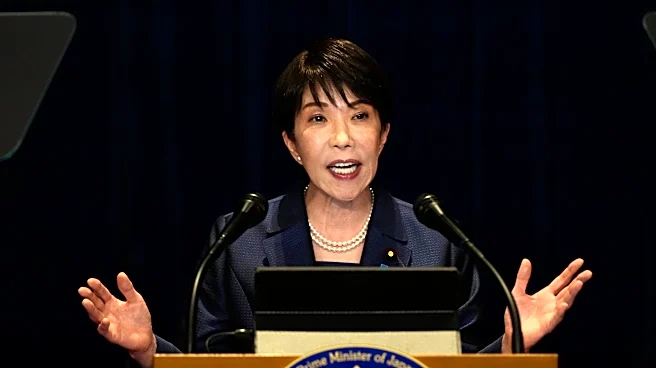
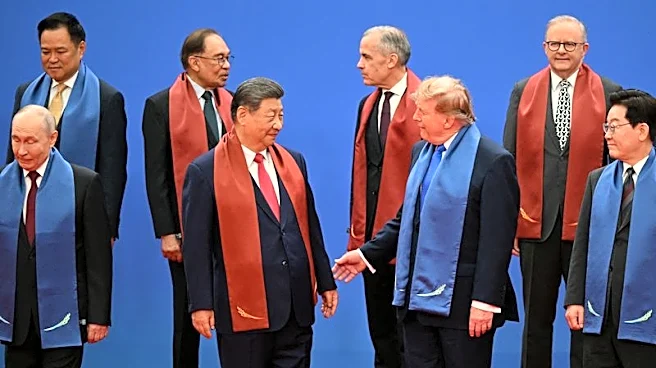
Japanese Prime Minister Takaichi Sanae held a face-to-face meeting with Russian President Vladimir Putin in China on Wednesday evening, marking the first such encounter between leaders of the two countries since 2019. The meeting took place on the sidelines
of the Asia-Pacific Economic Cooperation (APEC) summit in Shenzhen and lasted approximately 30 minutes. During their discussions, both leaders agreed to maintain dialogue at various levels. Prime Minister Takaichi raised several key issues, including the detention of a male reporter from Japanese newspaper publisher The Hokkaido Shimbun Press by Russian security authorities, calling for his immediate release. She also addressed the situation of Japan Tobacco's operations in Russia, where production facilities of its local subsidiary have been placed under the temporary control of a Russian company, and is believed to have requested the revocation of this measure. This meeting follows recent talks between Japanese Foreign Minister Motegi Toshimitsu and Russian Foreign Minister Sergey Lavrov in the United States last month, which was the first formal meeting between the two countries' foreign ministers in about five years.
Why It's Important?
This high-level meeting between Japan and Russia is significant for several reasons, particularly in the context of evolving geopolitical dynamics in the Asia-Pacific region. The agreement to maintain dialogue at various levels suggests a mutual interest in de-escalating tensions or finding common ground despite existing disagreements. For Japan, securing the release of its detained journalist and addressing the seizure of corporate assets are critical for upholding national interests and protecting its citizens and businesses abroad. The discussions also reflect broader diplomatic efforts to manage complex bilateral relations, which have been strained by various international issues. While the meeting occurred in China, its implications extend to the U.S. and its allies, as stability and diplomatic engagement among major powers in the Indo-Pacific are crucial for regional security and economic cooperation. The U.S. closely monitors such interactions as they can influence regional alliances and strategic balances.
What's Next?
Following the agreement to maintain dialogue, it is expected that diplomatic channels between Japan and Russia will remain open, potentially leading to further discussions at ministerial or working levels. The specific issues raised by Prime Minister Takaichi, such as the journalist's detention and the status of Japan Tobacco's assets, will likely be subjects of continued negotiation. The outcome of these discussions could influence future bilateral relations and potentially set precedents for how other countries address similar issues with Russia. The international community, including the United States, will be observing how these diplomatic efforts unfold, as they could impact broader geopolitical strategies and economic partnerships in the region. Future meetings or statements from either side will provide further insight into the trajectory of their relationship.
Beyond the Headlines
The meeting between Prime Minister Takaichi and President Putin, despite its brevity, underscores the complex interplay of national interests, economic concerns, and human rights in international diplomacy. Japan's assertive stance on the detained journalist and corporate assets reflects a growing trend among nations to protect their citizens and economic interests more vigorously on the global stage. This interaction also highlights the strategic importance of multilateral forums like APEC, which provide crucial platforms for bilateral engagements that might be difficult to arrange otherwise. The fact that these discussions are occurring amidst broader global tensions suggests a pragmatic approach by both nations to manage their relationship, even as they navigate differing alliances and geopolitical priorities. This diplomatic engagement, while not directly involving the U.S., contributes to the intricate web of international relations that ultimately affects global stability and trade.