





What's Happening?
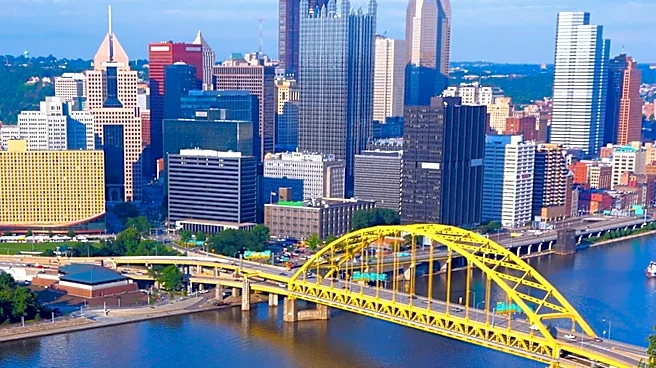
Travelers between Morgantown, West Virginia, and Pittsburgh, Pennsylvania, have various options for their approximately 130-mile journey, including driving and public transit. The primary driving route is Interstate 79 South, which typically takes between two
and two and a half hours under normal conditions. However, traffic patterns, especially during university rush hours in Morgantown and peak times in Pittsburgh, can extend travel times. Winter weather and summer holiday weekends also impact road conditions and congestion. For those opting for public transportation, Greyhound Lines offers bus service, with travel times ranging from three to four hours due to scheduled stops. Fares vary based on booking time, day of the week, and available discounts. Parking in Pittsburgh requires planning, with costs varying by location and event schedules. Institutions in both cities sometimes offer travel support for employees and students, and travelers are encouraged to check with human resources or campus departments.
Why It's Important?
The connectivity between Morgantown and Pittsburgh is crucial for regional economic and academic activities, linking two significant university towns and economic hubs. Efficient travel options support commuting for work, academic purposes, and various appointments, impacting individuals, businesses, and educational institutions. Understanding the cost implications of different travel modes—fuel, tolls, parking for drivers, and ticket prices for bus travelers—allows for better financial planning. The availability of public transit like Greyhound provides an essential alternative for those without private vehicles, promoting accessibility and potentially reducing individual carbon footprints when ridership is high. Awareness of traffic patterns and seasonal conditions is vital for minimizing delays and ensuring timely arrivals, which can affect business meetings, academic schedules, and personal commitments.
What's Next?
Travelers are advised to continuously monitor real-time traffic and weather conditions before departure to anticipate potential delays. For bus travel, booking in advance is recommended, especially during peak academic periods and holidays, to secure preferred departure times and seating. Checking parking availability and pricing at Pittsburgh destinations is also a critical step for drivers. As transportation networks evolve, travelers should stay informed through official websites, mobile notifications, and local news for updated bus schedules, road conditions, and any service changes. Agencies and operators will continue to collect data on ridership and road conditions to refine routes and schedules, potentially leading to future adjustments in service offerings and travel times.
Beyond the Headlines
The travel corridor between Morgantown and Pittsburgh highlights broader considerations in regional connectivity and sustainable transportation. The choice between driving and public transit involves trade-offs between convenience, cost, and environmental impact. While individual vehicles offer flexibility, public transit, when fully utilized, can contribute to reduced traffic congestion and lower per-capita emissions. The reliance on I-79 underscores the importance of infrastructure maintenance and upgrades to support consistent travel times and safety. Furthermore, the coordination between institutions and transportation providers for commuter support reflects a growing recognition of the need to facilitate inter-city movement for economic and educational advancement, potentially influencing regional planning and investment in transportation infrastructure.