


What's Happening?
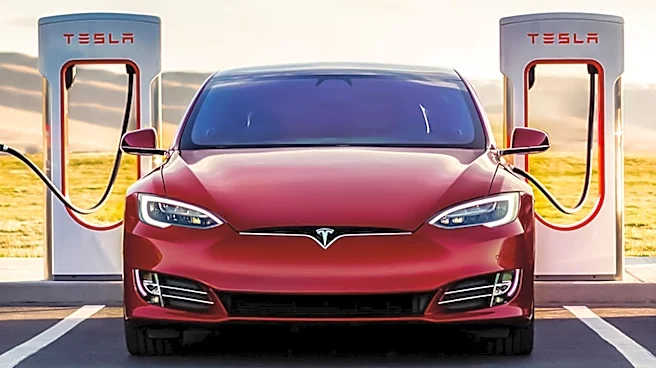
Tesla's latest software update, version 2026.44.1, is rolling out with several unannounced features discovered by software researcher Green (@greentheonly). These hidden changes include references to Grok conversation history, notifications for Supercharger
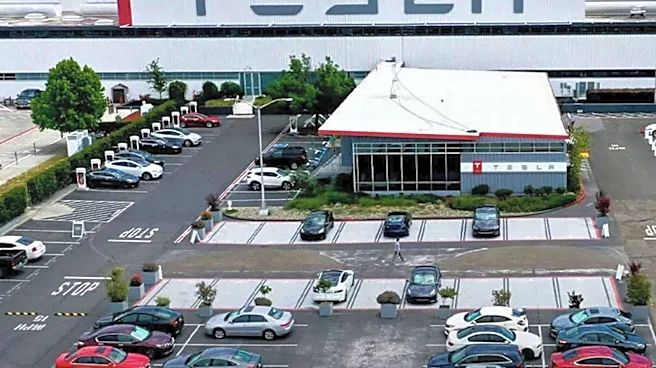
pricing changes, new navigation preferences, and improvements to charging functionalities. Specifically, vehicles will now alert drivers if Supercharger prices fluctuate while en route to a charging station, a crucial update given the dynamic pricing model based on demand. The update also introduces changes to optimized smart charging schedules for Powerwall users and enhancements to Tesla's Supercharger queuing system, which has been testing virtual queues at busy locations. Furthermore, Tesla is working on allowing owners to access their in-car Grok conversations through a mobile app and website, and has implemented a new wake-word for the assistant. A new navigation option will enable users to prioritize major roads, avoiding smaller streets or unpaved routes. Other less visible changes include an updated Linux kernel and references to a Chinese music service called Soda Music, along with the renaming of the AI Computer to SI Computer (Super Intelligence) in the vehicle's software menu.
Why It's Important?
These hidden features in Tesla's software update 2026.44.1 are significant for enhancing the user experience and operational efficiency of Tesla vehicles in the U.S. The Supercharger pricing notifications directly address a pain point for EV owners, providing real-time cost transparency and helping drivers make informed decisions, especially with dynamic pricing. This improves convenience and potentially reduces range anxiety related to charging costs. The advancements in Grok, including conversation history and wake-word improvements, indicate Tesla's continued investment in its in-car AI assistant, aiming for a more integrated and intelligent user interface. The new navigation option to prioritize major roads offers greater customization and could improve routing accuracy and driver comfort, particularly in diverse geographical areas. These software enhancements underscore Tesla's strategy of continuous improvement through over-the-air updates, which adds value to existing vehicles and maintains a competitive edge in the rapidly evolving automotive market. The renaming of the AI Computer to SI Computer also signals a broader strategic vision for artificial intelligence within Tesla's ecosystem.
What's Next?
As Tesla update 2026.44.1 continues its rollout, users are expected to gradually experience these new features. The immediate next steps involve the full deployment of these functionalities across the Tesla fleet. The integration of Grok conversation history with a mobile app suggests a move towards a more seamless digital ecosystem for Tesla owners, potentially leading to further AI-driven features and services. The ongoing development of Supercharger queuing and dynamic pricing notifications indicates a commitment to optimizing the charging network experience, which is crucial as EV adoption grows. Future updates may build upon these navigation preferences, offering even more granular control over routing. The internal changes, such as the Linux kernel update and the renaming of the AI Computer, suggest foundational improvements that could support more advanced features in subsequent software releases. Tesla's continuous software development cycle means that these features are likely just a precursor to further innovations aimed at enhancing vehicle autonomy, connectivity, and user interaction.
Beyond the Headlines
The continuous rollout of advanced software features by Tesla, even those initially hidden, highlights a broader trend in the automotive industry where vehicles are increasingly becoming software-defined platforms. This approach allows Tesla to rapidly iterate and deploy new functionalities, differentiating itself from traditional automakers. The emphasis on AI, as evidenced by Grok improvements and the 'Super Intelligence' rebranding, suggests a long-term vision where the vehicle acts as an intelligent, adaptive companion. This could lead to more personalized driving experiences, predictive maintenance, and enhanced safety features. The dynamic Supercharger pricing and queuing system also reflect the growing complexity of managing energy infrastructure for electric vehicles, pushing the boundaries of smart grid integration. These developments not only impact the driving experience but also influence consumer expectations for vehicle technology, potentially accelerating the adoption of similar software-centric models across the entire automotive sector. The ability to update and improve vehicles post-purchase also challenges traditional notions of vehicle ownership and depreciation.