







What's Happening?
Wisconsin's farming history is celebrated for its diversity and resilience, with a focus on the state's transition from wheat to dairy farming. Historically, Wisconsin was a major wheat producer until diseases and pests shifted the focus to dairy farming,
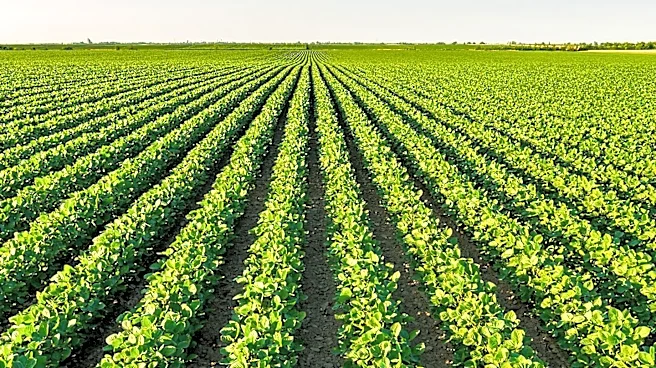
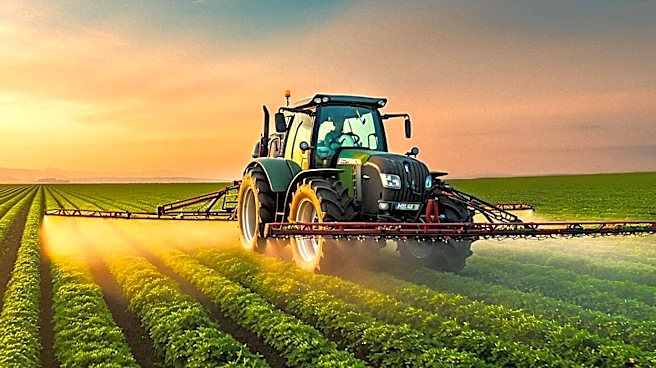
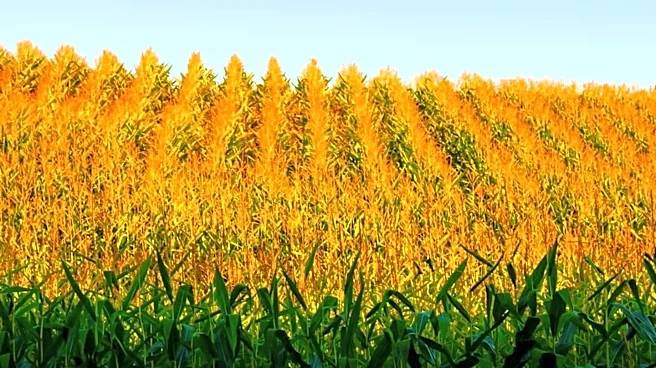
which now dominates the state's agricultural landscape. The state is also known for its production of cranberries, potatoes, and other crops, as well as aquaculture. The Laufenberg family farm exemplifies modern farming practices, utilizing robotic milking stations and diversifying revenue through a retail meat store.
Why It's Important?
Wisconsin's agricultural diversity is crucial for its economic stability and growth. The state's ability to adapt to changing agricultural demands and environmental challenges has positioned it as a leader in dairy and cranberry production. This adaptability is essential for sustaining local economies and providing employment in rural areas. The integration of technology, such as robotic milking, demonstrates the potential for innovation in agriculture, enhancing efficiency and productivity. Wisconsin's farming practices also contribute to national food security and the preservation of agricultural heritage.