







What's Happening?
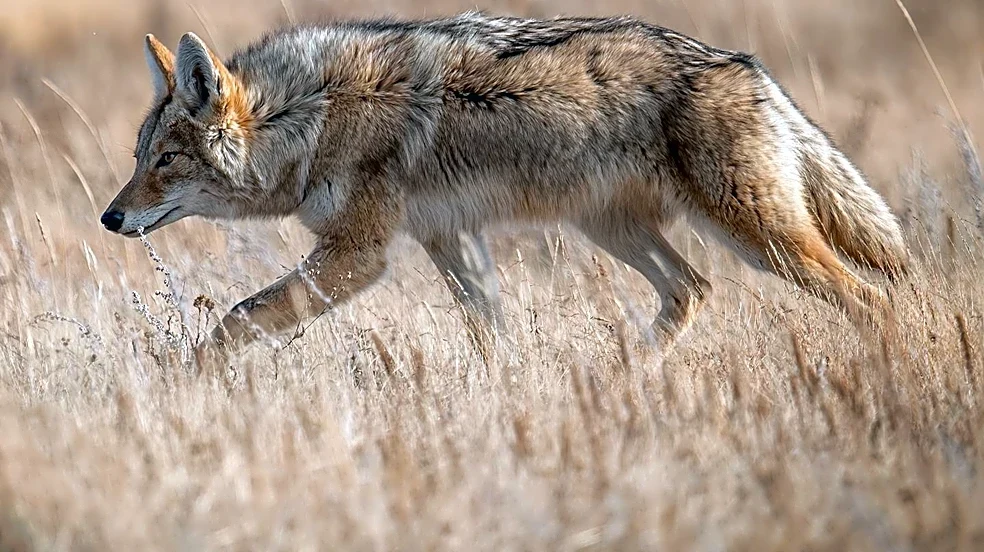
Coyote sightings tend to increase in the fall, not necessarily because there are more coyotes, but because young coyotes born in the spring are reaching maturity and beginning to disperse from their family groups. This period, typically from October to February,
sees these six to nine-month-old coyotes venturing out to find their own territories. This dispersal can lead them through various environments, including residential areas, where they might be seen more frequently than usual. The U.S. Forest Service notes that these young animals are not migrating but are actively searching for new places to live. While coyotes are often most active at dusk, night, and early morning, seeing a healthy coyote during the day is considered normal behavior by the National Park Service and does not indicate illness.
Why It's Important?
The increased visibility of coyotes in residential areas during the fall is important for public awareness and safety. Understanding that these sightings are often due to natural dispersal patterns, rather than an increase in population or aggressive behavior, can help reduce unnecessary fear and promote appropriate responses. It highlights the need for residents to take preventative measures, such as securing garbage, feeding pets indoors, and supervising small pets outdoors, to avoid attracting coyotes. This natural phenomenon underscores the ongoing interaction between wildlife and human development, emphasizing the importance of coexisting responsibly and minimizing potential conflicts. Educating the public about coyote behavior during this period can lead to more informed and effective community responses.
What's Next?
As young coyotes continue their dispersal throughout the fall and into winter, residents in affected areas should remain vigilant and continue to practice responsible wildlife management. This includes maintaining clean yards, securing food sources, and keeping pets safe. Local animal control and state wildlife agencies will likely continue to provide guidance on how to deter coyotes and what to do if an animal exhibits aggressive or unusual behavior. The focus will be on promoting coexistence through education and preventative measures, rather than reactive interventions, to manage the natural movement of these animals through various landscapes. Continued monitoring of coyote activity and public engagement will be crucial.
Beyond the Headlines
The phenomenon of coyote dispersal in the fall reveals deeper ecological implications regarding urban and suburban wildlife management. It highlights how human expansion into natural habitats inevitably leads to increased interactions with wildlife. The ethical challenge lies in finding a balance between protecting human communities and allowing wildlife to follow their natural life cycles. This situation also brings to light the importance of understanding animal behavior to avoid misinterpreting natural actions as threats. Culturally, it can spark discussions about conservation, responsible pet ownership, and the role of humans in maintaining ecological balance within shared environments, moving beyond simple fear to a more nuanced understanding of wildlife presence.