




What's Happening?
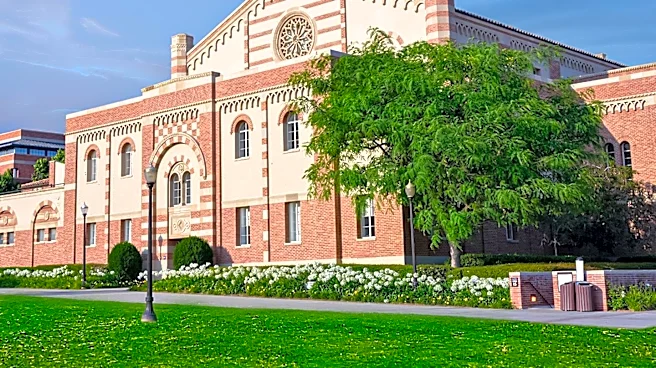
Grand Canyon University (GCU) is actively preparing its students for future careers by integrating them into the workforce before graduation. The university offers numerous programs that allow students to step into professional roles as part of their
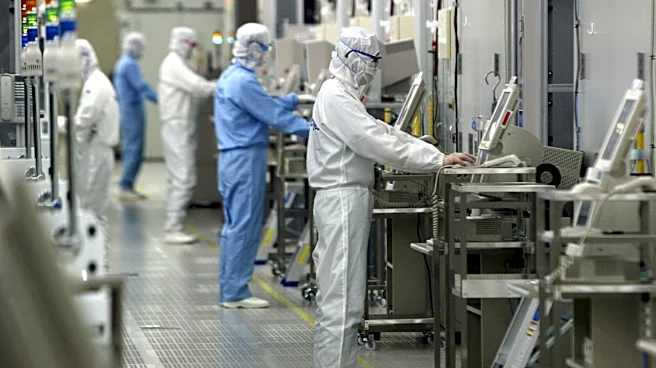
studies. For instance, education students are placed in local school districts as substitute teachers, while nursing students gain practical experience working in local hospitals. Seth Mason, a GCU student pursuing a computer numerical control machine certificate, highlighted how training with local manufacturers has helped him refine his career path. Steven Sheets, President and CEO of Southwest Behavioral and Human Services, noted that his company accepts GCU interns to train them in mental health care, facilitating a smoother transition into full-time employment post-graduation. Sherman Elliott, Dean of GCU’s College of Humanities and Social Sciences, stated that the university contributes thousands of professionals to the workforce annually, with 14,000 students in counseling programs nationwide, including 1,300 in Arizona.
Why It's Important?
This initiative by Grand Canyon University is crucial for addressing the skills gap in various industries and enhancing graduate employability. By providing hands-on experience, GCU is equipping students with practical skills and professional networks that are often lacking in traditional academic settings. This approach benefits students by making them more competitive in the job market and benefits employers by providing them with pre-trained and experienced candidates. The partnerships with local school districts, hospitals, and manufacturing companies demonstrate a proactive effort to align educational outcomes with industry needs. This model could serve as a blueprint for other universities looking to improve their graduates' career readiness, potentially leading to a more skilled and adaptable workforce across the U.S. It also highlights the growing importance of experiential learning in higher education.
What's Next?
Grand Canyon University is expected to continue expanding its workforce integration programs and forging new partnerships with various industries. The success of these initiatives will likely lead to increased enrollment as prospective students seek programs that offer clear pathways to employment. Other educational institutions may observe GCU's model and implement similar programs to enhance their own career services. The university will likely track the employment rates and career success of its graduates from these programs to demonstrate their effectiveness. Further developments could include the creation of more specialized internship and apprenticeship opportunities tailored to emerging industries and local workforce demands.
Beyond the Headlines
The trend of universities integrating students into the workforce before graduation has deeper implications for the future of higher education. It challenges the traditional separation between academic learning and professional practice, suggesting a more fluid and integrated educational journey. This model could lead to a re-evaluation of curriculum design, emphasizing practical skills and industry-relevant knowledge over purely theoretical learning. It also raises questions about the financial models of universities, as partnerships with businesses could provide alternative funding streams and resources. Furthermore, the increased collaboration between academia and industry could foster innovation and research directly applicable to real-world problems, ultimately benefiting the broader economy and society. This shift could also influence policy discussions around workforce development and educational funding.