
What's Happening?
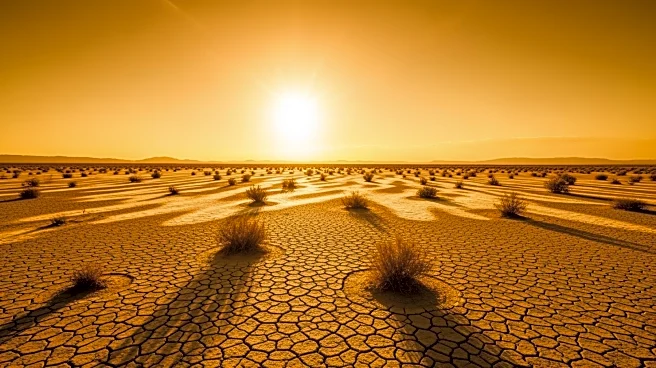
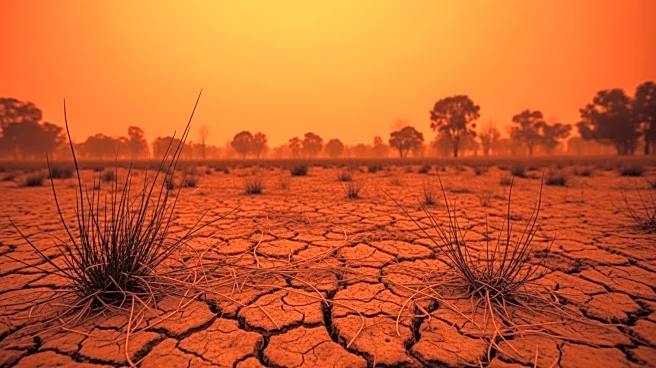
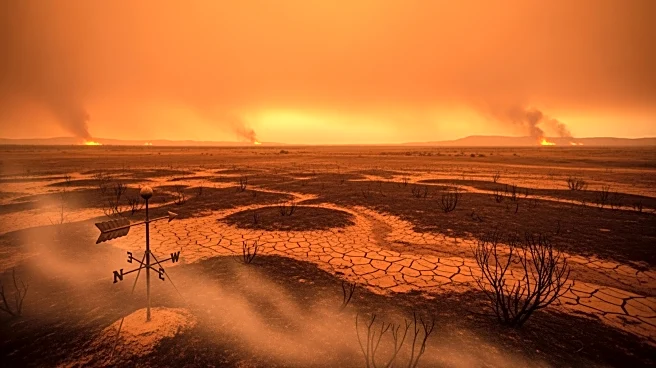
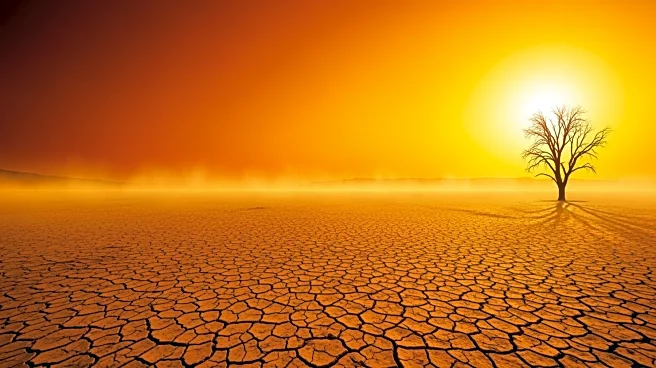
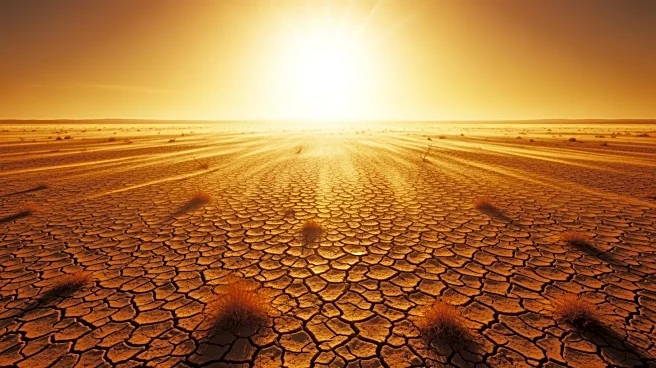
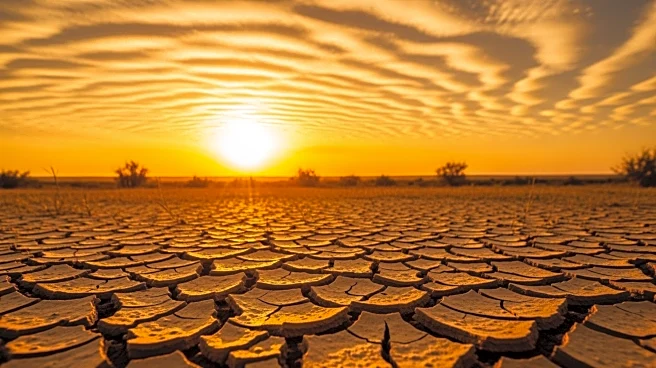
A severe heat wave is affecting the U.S. Southwest, breaking temperature records and increasing the risk of wildfires. Cities like Las Vegas and Phoenix have experienced record-high temperatures for March, with Phoenix reaching 105°F for three consecutive
days. The U.S. Weather Prediction Center forecasts that the heat wave will persist, potentially breaking more records in the coming days. The high temperatures are driven by a massive dome of high pressure, which is also pushing dry air into the Great Plains, raising fire risks in states like Texas, Oklahoma, and Kansas.
Why It's Important?
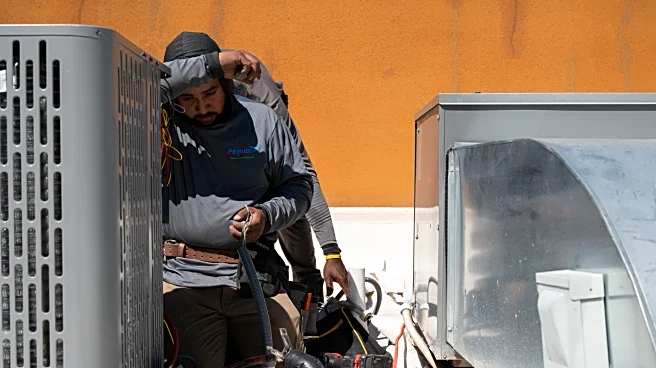
The ongoing heat wave is a significant concern due to its potential impact on public health, agriculture, and the environment. Prolonged high temperatures can lead to heat-related illnesses and strain on energy resources as demand for cooling increases. The increased risk of wildfires poses a threat to communities and ecosystems, potentially leading to property damage and loss of life. The heat wave also highlights broader climate change trends, as such extreme weather events become more frequent and intense. This situation underscores the need for effective climate adaptation and mitigation strategies.
What's Next?
The heat wave is expected to continue, with the U.S. Climate Prediction Center indicating higher than normal temperatures through mid-April. Authorities are likely to issue advisories and warnings to help communities prepare for the ongoing heat and potential wildfires. Efforts to manage water resources and protect vulnerable populations will be critical in the coming weeks. The situation may prompt discussions on long-term climate resilience and the need for infrastructure improvements to cope with extreme weather events.