







What's Happening?
Millions of people regularly post high-resolution selfies on social media platforms like TikTok and Instagram, using advanced smartphones from brands like Apple and Samsung. However, these high-quality images can inadvertently expose users to cybersecurity
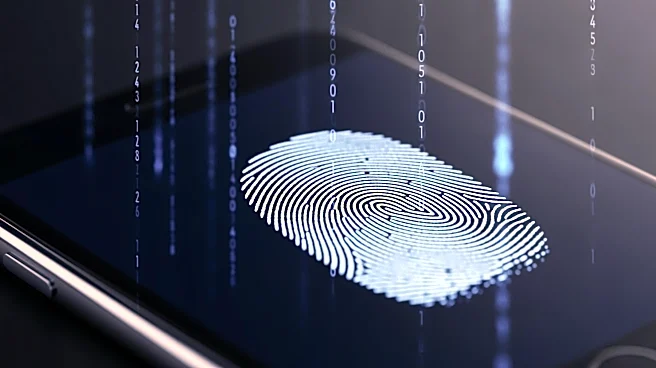
risks. According to Bryan Lopez, a cybersecurity and AI technology leader at Microsoft, high-resolution cameras can capture detailed fingerprint patterns, which can be reconstructed into biometric templates using AI tools. This capability, once limited to forensic labs, is now accessible to non-specialist actors, posing a significant threat to personal security. The risk extends beyond fingerprints, as AI can also clone voices from short audio clips, potentially bypassing voice authentication systems. The FBI reported over 859,532 cybercrime complaints in 2024, with losses exceeding $16 billion, highlighting the urgency of addressing these vulnerabilities.
Why It's Important?
The increasing ability to extract biometric data from social media images represents a growing threat to personal and organizational security. Unlike passwords, biometric data such as fingerprints and voice patterns cannot be changed once compromised, making the exposure permanent. This vulnerability is exacerbated by the widespread use of AI, which lowers the barrier for cybercriminals to exploit these data. As AI technology continues to advance, the potential for misuse in identity fraud, extortion, and reputation damage increases. The situation underscores the need for enhanced security measures and public awareness about the risks associated with sharing high-resolution images online.
What's Next?
To mitigate these risks, experts recommend adopting multi-factor authentication methods that do not rely solely on biometrics. Users are advised to adjust privacy settings on social media, avoid posting high-resolution images of hands and faces, and disable location metadata. These steps can reduce the data available for AI reconstruction tools. As AI technology evolves, ongoing education and awareness campaigns will be crucial in helping individuals and organizations protect themselves from emerging cyber threats.