






What's Happening?
The Trump administration's chief trade official, Jamieson Greer, defended the tariffs imposed by President Trump, asserting that they have not led to increased prices for American families. This statement was made during a Senate hearing where lawmakers,
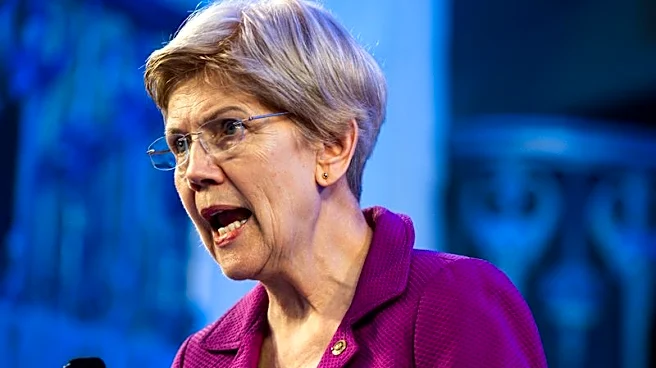
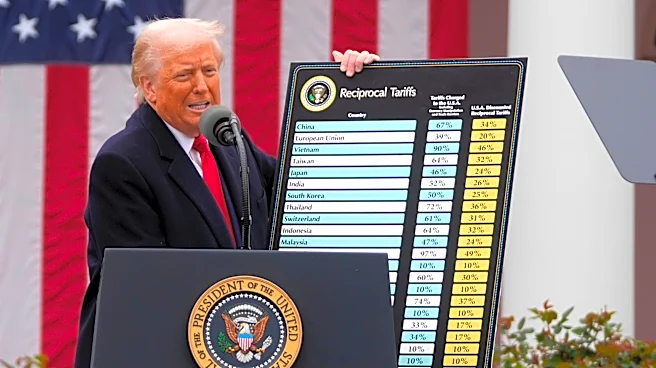
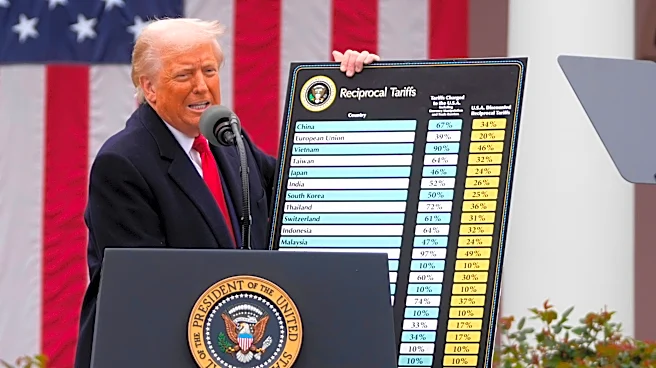
including Democratic Senator Elizabeth Warren, challenged the administration's economic policies amid rising inflation. Greer claimed that core inflation, which excludes food and energy, had fallen to 2.6% year-on-year, a significant improvement from January 2025. However, Warren cited estimates indicating that families are paying an average of $1,700 more due to tariff costs since Trump's return to office. The tariffs, which were previously ruled illegal by the US Supreme Court, are set to expire soon, with the administration planning to introduce new duties on imports.
Why It's Important?
The debate over tariffs is crucial as it impacts the cost of living for American families and the broader economic landscape. The tariffs, part of Trump's economic agenda, aim to bolster domestic manufacturing but have faced criticism for potentially increasing consumer prices. The administration's stance on tariffs could influence future trade policies and economic relations with other countries. The ongoing discussion highlights the tension between economic protectionism and the need for affordable consumer goods, affecting both businesses and consumers.
What's Next?
With the current tariff regime set to expire, the administration plans to implement new duties on imports. This move could lead to further scrutiny and debate among lawmakers and stakeholders. The outcome of these discussions may shape future trade policies and impact international relations. Businesses and consumers alike will be watching closely to see how these changes affect prices and economic stability.