





What's Happening?
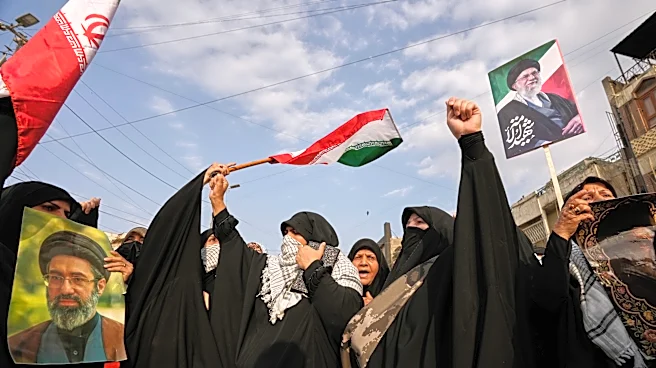
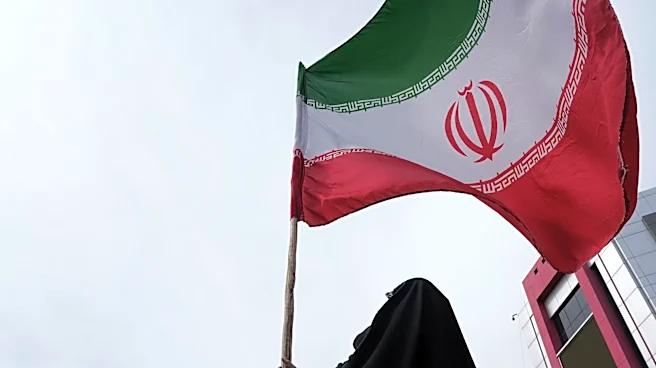
Iranian Foreign Minister Abbas Araghchi has traveled to Russia to seek support amid ongoing tensions with the United States. The visit comes after failed peace negotiations between Tehran and Washington, which Iran attributes to excessive U.S. demands.
Despite a ceasefire extension by President Trump, a permanent resolution remains elusive. Russia, which has condemned U.S. and Israeli strikes on Iran, is seen as a potential mediator, particularly concerning Iran's enriched uranium stockpile. Moscow's role could be pivotal, as it previously facilitated uranium transfers under the 2015 nuclear deal. Iran's outreach to Russia is part of a broader diplomatic effort, including recent visits to Pakistan and Oman.
Why It's Important?
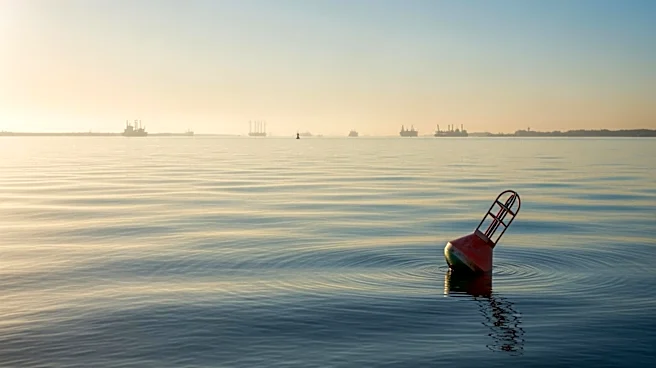
The geopolitical dynamics between Iran, Russia, and the U.S. have significant implications for global stability and energy markets. Iran's reliance on Russia underscores the shifting alliances in the Middle East, potentially affecting U.S. influence in the region. Russia's involvement could alter the balance of power, especially if it mediates a resolution to the nuclear issue. The situation also impacts global oil prices, as tensions in the Strait of Hormuz threaten a critical energy supply route. Additionally, Russia's support for Iran could complicate U.S. diplomatic efforts and sanctions, influencing broader international relations.
What's Next?
Future developments hinge on the outcomes of Iran's diplomatic engagements and Russia's willingness to mediate. A potential resolution of the nuclear issue could stabilize the region, but requires concessions from both the U.S. and Iran. Russia's strategic interests, including its relations with the U.S. and its role in Ukraine, will influence its actions. The international community will closely watch these negotiations, as they could set precedents for handling similar conflicts. The U.S. may need to reassess its strategies to maintain influence and address the evolving geopolitical landscape.