

What's Happening?
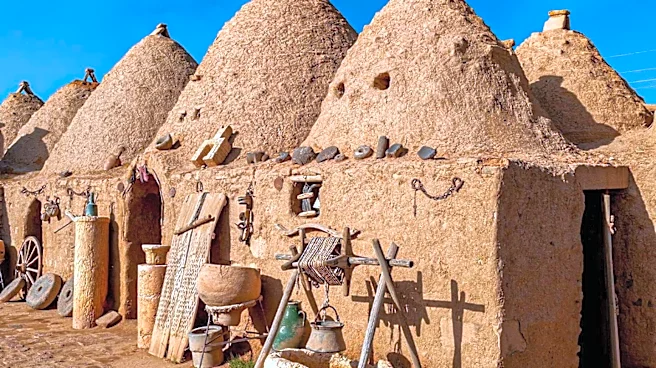
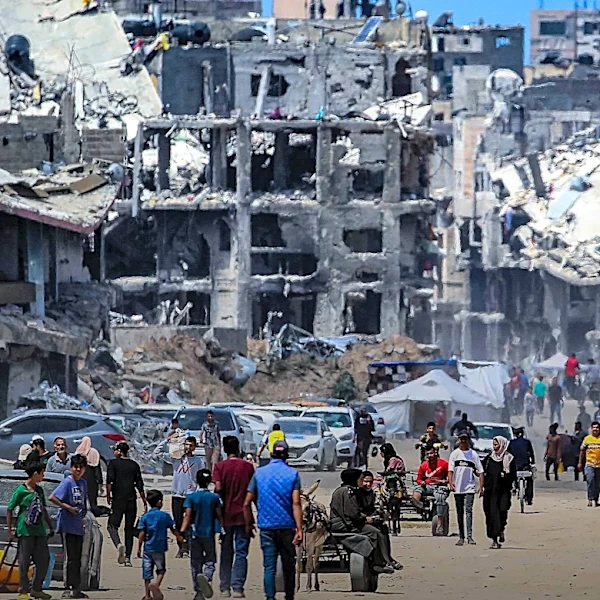
In the Gaza Strip, Palestinians are resorting to using handmade mud bricks, wood, and plastic to rebuild their homes and shops due to a severe shortage of conventional construction supplies. This innovative, albeit challenging, approach is being adopted
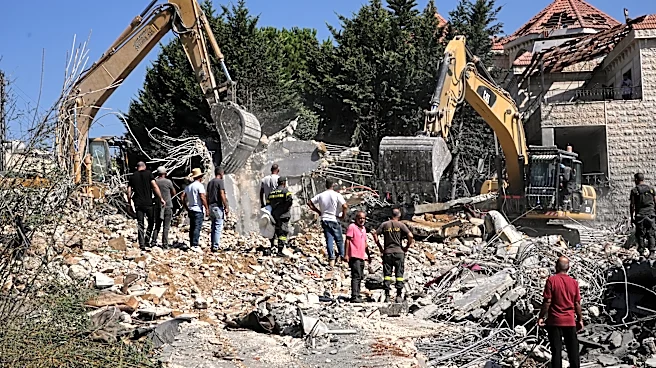
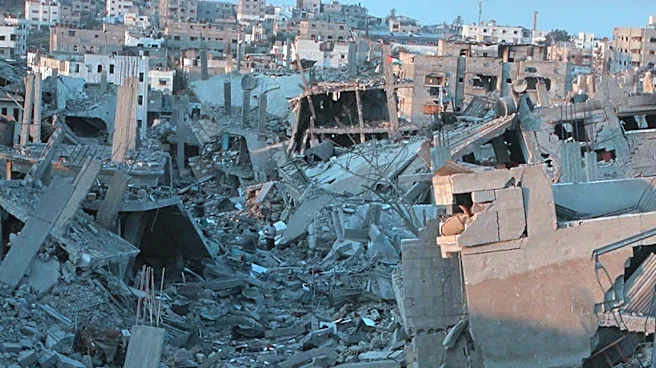
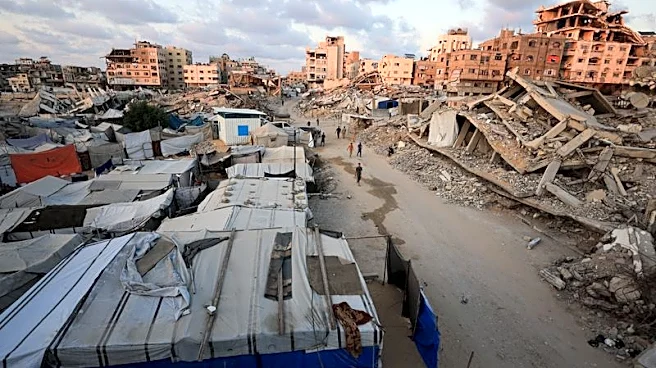
in areas like Nuseirat and the Maghazi refugee camp, where residents are making clay bricks by filling plastic containers with water and cutting wood for new structures. Some are even building directly atop the rubble of destroyed buildings. This situation highlights the immense difficulties faced by the population in reconstructing their lives and communities after widespread destruction. The lack of access to standard building materials forces residents to improvise with readily available, often less durable, alternatives, underscoring the ongoing humanitarian crisis and the struggle for recovery.
Why It's Important?
The reliance on handmade mud bricks, wood, and plastic for reconstruction in Gaza signifies a critical humanitarian and developmental challenge. The severe shortage of conventional construction materials not only prolongs the suffering of displaced families but also impedes the long-term recovery and stability of the region. Structures built with these makeshift materials are often less durable, less safe, and more susceptible to environmental damage, posing risks to residents. This situation also reflects a broader economic and political blockade that restricts the flow of essential goods into Gaza, hindering any meaningful reconstruction efforts. The ingenuity of Palestinians in adapting to these constraints, while commendable, underscores the urgent need for international intervention to ensure access to proper building supplies and facilitate a more robust and sustainable rebuilding process.
What's Next?
The immediate future will likely see a continuation of these makeshift reconstruction efforts as long as the shortage of conventional building materials persists. International organizations and humanitarian agencies may attempt to advocate for increased access to construction supplies for Gaza, but political and logistical hurdles could remain significant. There might be efforts to support local initiatives for producing alternative building materials, potentially improving their quality and efficiency. However, without a fundamental change in the policies governing the entry of goods into Gaza, the large-scale, durable reconstruction needed will remain elusive. The long-term implications include a prolonged housing crisis, continued reliance on temporary shelters, and a slower pace of economic and social recovery for the affected communities.
Beyond the Headlines
The use of handmade mud bricks and other improvised materials for reconstruction in Gaza carries deeper cultural and psychological implications. While demonstrating remarkable resilience and resourcefulness, it also symbolizes a profound sense of abandonment and the struggle for self-determination in the face of overwhelming adversity. This return to rudimentary building methods can be seen as a forced regression, highlighting the systemic barriers to development and the denial of basic rights. It also raises questions about the long-term sustainability and safety of such structures, potentially creating future vulnerabilities. The act of rebuilding with one's own hands, however, can also foster a strong sense of community and ownership, becoming a powerful symbol of defiance and hope amidst destruction. This situation underscores the complex interplay between material deprivation, human spirit, and the enduring quest for normalcy in a conflict-ridden environment.