






What's Happening?
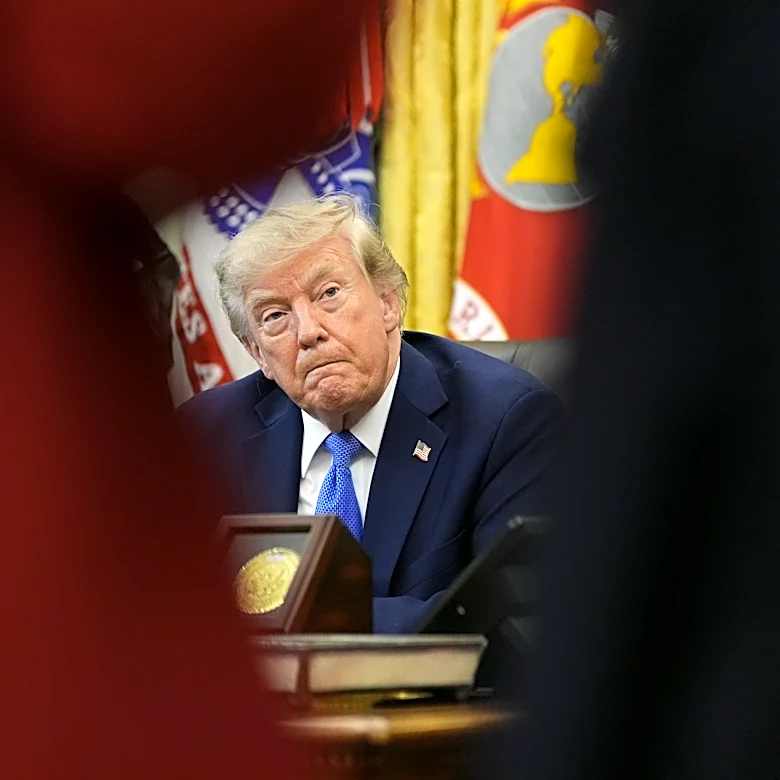
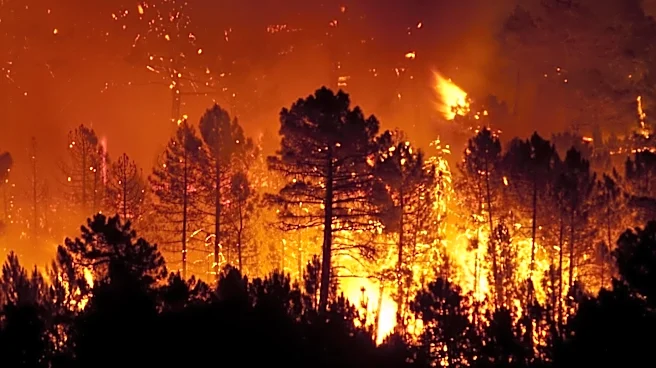
Wildfires have ravaged tens of thousands of acres in Minnesota, with delayed funding from the Department of Government Efficiency (DOGE) impacting wildfire management efforts. The DOGE initiative, launched during President Trump's administration with input
from Elon Musk, led to significant cuts in federal programs, including those aimed at wildfire prevention. A $10 million grant intended for wildfire reduction in Minnesota was delayed, hindering efforts to manage and prevent the spread of fires in affected areas.
Why It's Important?
The delayed funding highlights the critical role of government support in managing natural disasters and the consequences of budget cuts on public safety. The situation underscores the importance of timely and adequate funding for environmental management and disaster preparedness. The impact of these cuts is felt acutely as climate change exacerbates the frequency and intensity of wildfires. The need for efficient government intervention and resource allocation is more pressing than ever to mitigate the effects of such disasters.
Beyond the Headlines
The DOGE initiative's impact on wildfire management raises questions about the balance between government efficiency and public safety. The cuts reflect broader debates on the role of federal programs in addressing climate-related challenges. The situation in Minnesota serves as a case study for evaluating the effectiveness of government policies in disaster management and the long-term implications of budgetary decisions on environmental resilience.