






What's Happening?
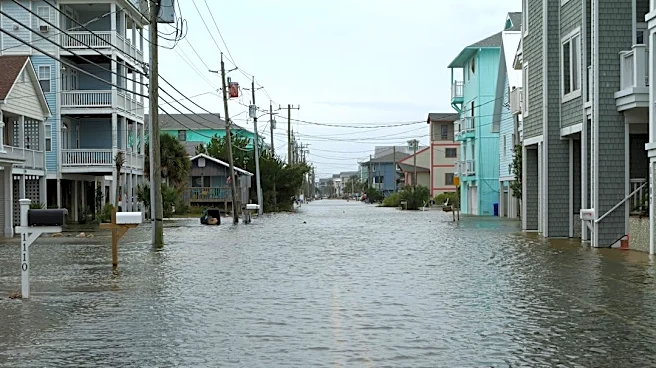
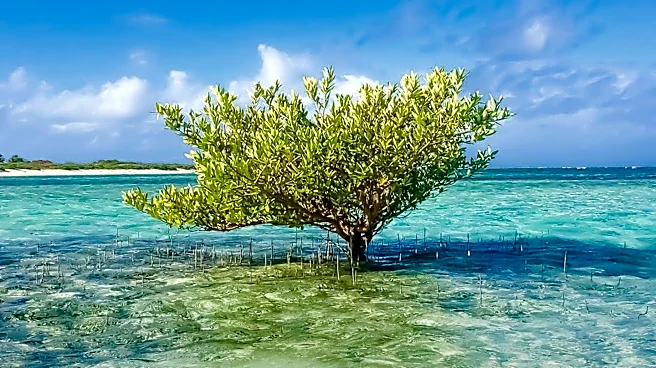
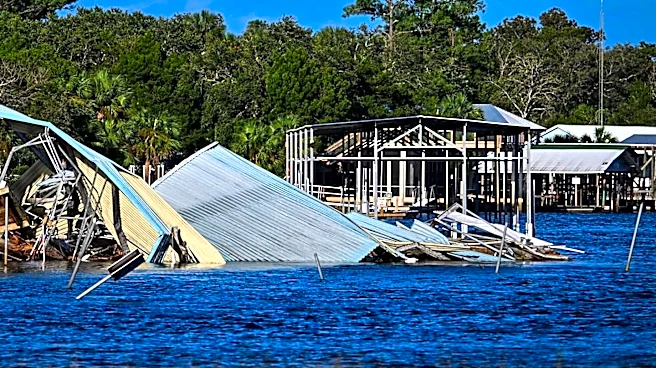
William Alexander Charouhis, a student from Florida, spearheaded an initiative that resulted in the planting of over 2,289 mangroves. This effort was a direct response to the devastation caused by Hurricane Irma, which flooded his hometown. The initiative aimed
to aid in the environmental recovery and resilience of the affected coastal areas. Mangroves are crucial for coastal ecosystems, providing natural barriers against storm surges, preventing erosion, and serving as habitats for various marine species. Charouhis's project highlights community-led environmental recovery efforts in the wake of natural disasters, demonstrating how local action can contribute significantly to ecological restoration and protection against future events. The large-scale planting of mangroves underscores a proactive approach to environmental stewardship and disaster preparedness within the community.
Why It's Important?
This initiative is important for several reasons, particularly in the context of U.S. coastal regions frequently impacted by hurricanes. The planting of over 2,289 mangroves directly contributes to the ecological restoration of Florida's coastline, which is vital for biodiversity and natural storm protection. Mangroves act as natural buffers, reducing the impact of storm surges and preventing coastal erosion, thereby protecting communities and infrastructure from future hurricane damage. This student-led effort also serves as a powerful example of civic engagement and environmental activism, potentially inspiring other communities to undertake similar projects. For Florida, a state highly vulnerable to climate change impacts and extreme weather events, such as hurricanes, such initiatives are critical for long-term resilience and sustainability. The success of this project demonstrates the effectiveness of local, grassroots efforts in addressing significant environmental challenges.
What's Next?
The success of William Alexander Charouhis's mangrove planting initiative could serve as a model for other hurricane-affected regions in the U.S. and beyond. It is likely to encourage further community-led environmental restoration projects, potentially attracting support from local governments, environmental organizations, and educational institutions. The long-term monitoring of these newly planted mangroves will be crucial to assess their effectiveness in coastal protection and ecosystem recovery. This initiative may also lead to increased awareness and education about the importance of mangroves and other natural coastal defenses, fostering a greater sense of environmental responsibility among residents. Future efforts might focus on expanding the scope of such projects, incorporating more diverse native species, and integrating them into broader climate resilience strategies for vulnerable coastal communities.
Beyond the Headlines
Beyond the immediate environmental benefits, this initiative highlights the profound impact that young leaders can have on addressing critical issues like climate change and disaster recovery. It underscores a growing trend of youth engagement in environmental activism, challenging traditional approaches to conservation and community resilience. The project also brings to light the ethical responsibility of communities to restore and protect natural habitats, especially those that provide essential ecosystem services. Culturally, it reinforces the idea that environmental stewardship is a shared responsibility, transcending age and background. Legally, such successful community-driven projects could influence policy-making, encouraging local and state governments to invest more in natural infrastructure solutions for disaster mitigation, rather than solely relying on engineered structures. This initiative represents a shift towards more sustainable and ecologically integrated approaches to living with and adapting to a changing climate.