



What's Happening?
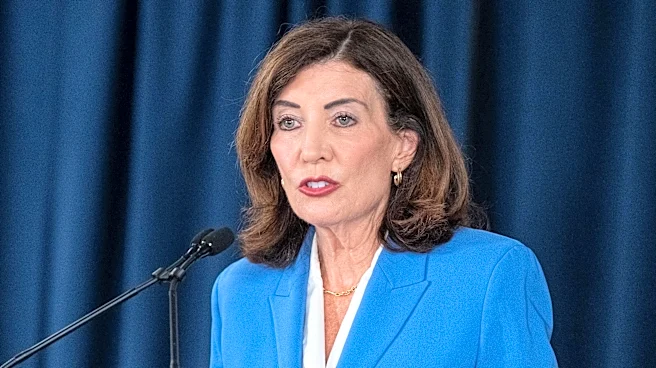
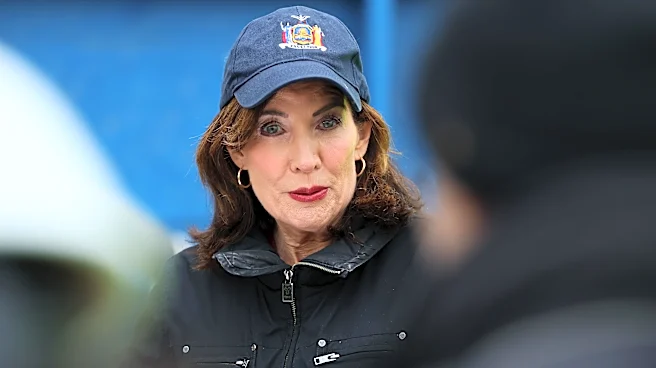
New York state officials, led by Governor Kathy Hochul, have released a new "roadmap" for expanding nuclear power capacity upstate. The Advanced Nuclear Master Plan aims to add 5 gigawatts of nuclear power in the state over the coming decades, a goal
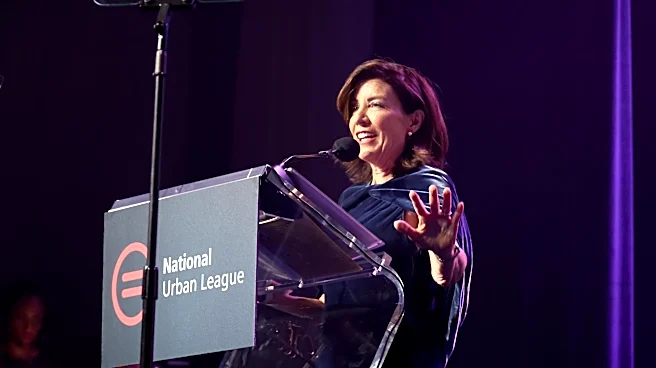
initially outlined in Governor Hochul's State of the State address earlier this year. During a state nuclear summit in Rochester, Governor Hochul emphasized nuclear power as the "most sustainable, the most reliable, and ultimately, when it's all done, the most affordable way" to power New York. The plan addresses critical aspects such as commercial viability, workforce readiness, and supply chain capacity. It also includes guidelines for engaging with potential host communities for new reactors. Last year, Governor Hochul also directed the New York Power Authority to develop 1 gigawatt of nuclear power upstate, with 12 localities, including Dunkirk, Rochester, and several counties, expressing interest. Doreen Harris, President and CEO of the New York State Energy Research and Development Authority (NYSERDA), highlighted the need for long-term partnerships and informed communities as the state progresses towards its 5-gigawatt target.
Why It's Important?
Governor Hochul's Advanced Nuclear Master Plan marks a significant policy shift for New York, positioning nuclear energy as a central component of the state's decarbonization strategy. This initiative could have profound impacts on New York's energy landscape, potentially reducing reliance on fossil fuels and contributing to climate goals. The plan's focus on commercial viability, workforce development, and supply chain capacity indicates a comprehensive approach to building a sustainable nuclear energy sector. For communities, particularly those in upstate New York, the development of new nuclear facilities could bring economic benefits through job creation and infrastructure investment. However, the plan faces opposition from groups like the Climate Solutions Accelerator of the Genesee-Finger Lakes Region, whose Director of Policy & Advocacy, Graham Hughes, argues that investing in nuclear energy is costly and diverts resources from "true renewables." This highlights a broader debate within the environmental movement regarding the role of nuclear power in achieving a clean energy future, with some advocating for nuclear as a necessary baseload power source and others prioritizing renewable sources like solar and wind.
What's Next?
NYSERDA plans to host a public webinar on January 13 to provide an overview of the Advanced Nuclear Master Plan, offering an opportunity for public engagement and feedback. This event will be crucial for addressing community concerns and building support for the proposed nuclear projects. Opponents of the plan have indicated their intention to lobby legislators for a moratorium on new nuclear projects in New York, suggesting that the debate over nuclear energy's role in the state's energy mix will continue in the legislative arena. The New York Power Authority's announcement of 10 potential developers, including Avangrid, signals the beginning of the project development phase. The success of these initial projects will likely influence the pace and scale of future nuclear expansion in the state. The plan's emphasis on community engagement and workforce readiness suggests that future efforts will focus on ensuring local support and developing the skilled labor force required for nuclear facility construction and operation.
Beyond the Headlines
The Advanced Nuclear Master Plan in New York reflects a growing national trend of states re-evaluating nuclear energy as a viable option for achieving ambitious climate goals. This move could signal a broader shift in energy policy, where nuclear power is increasingly seen as a necessary complement to intermittent renewable sources. The debate surrounding the plan also touches upon the ethical considerations of energy investment, particularly the allocation of taxpayer and ratepayer dollars. The tension between prioritizing nuclear energy versus other renewables raises questions about the most effective and equitable pathways to decarbonization. Furthermore, the plan's emphasis on community engagement highlights the critical importance of social license for large-scale infrastructure projects, especially those with historical public apprehension like nuclear power. The outcome in New York could serve as a precedent for other states considering similar nuclear expansion, influencing national energy strategies and the future of the U.S. power grid.